*2026 edit: This is my attempt to write a review of a movie I love that also challenges notions that racism is no longer an issue today, and I ended up incorporating a lot of things I’ve been reading. I am very adamant that white people should recognize their privilege, and I hope I didn’t just churn out a hot mess of whitesplaining.*
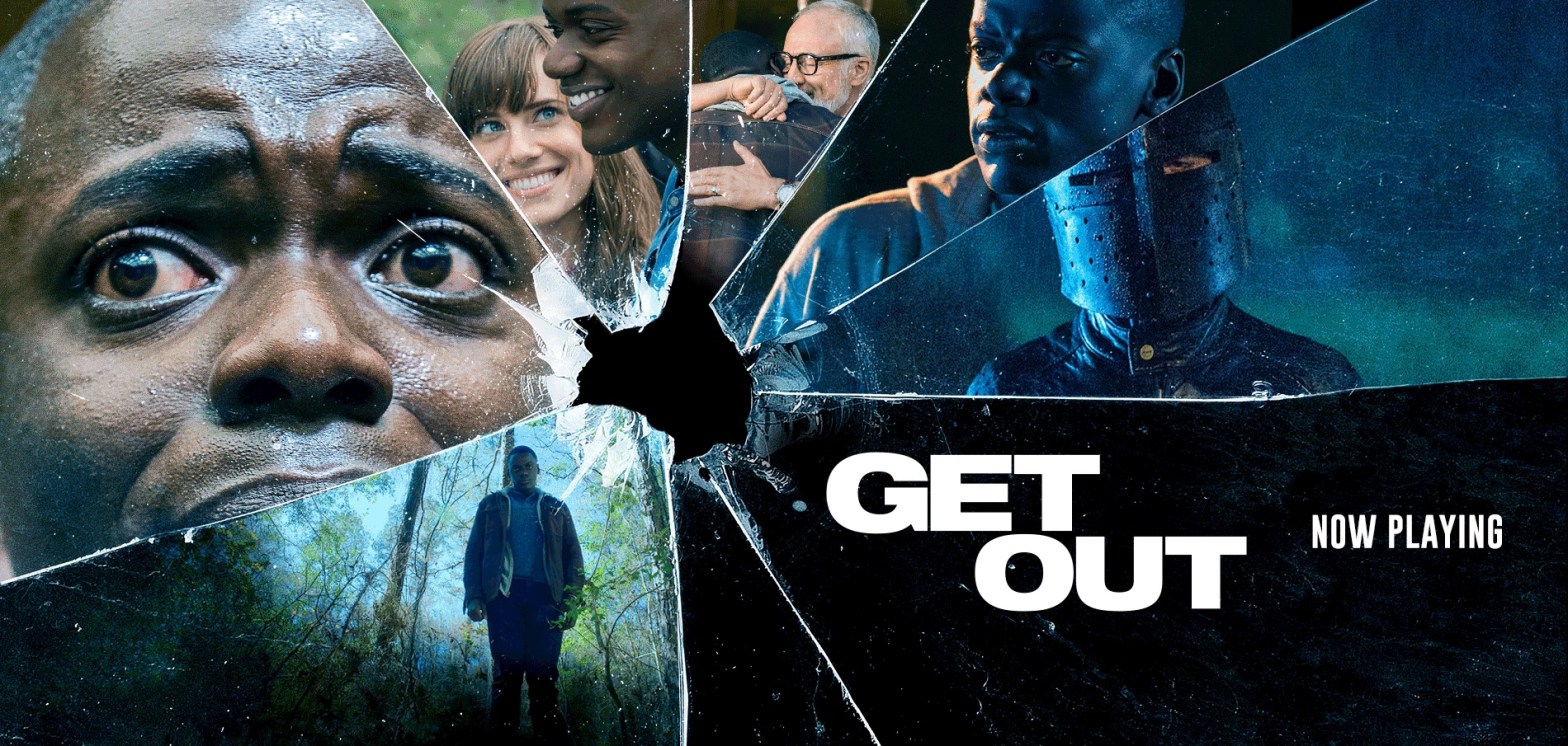
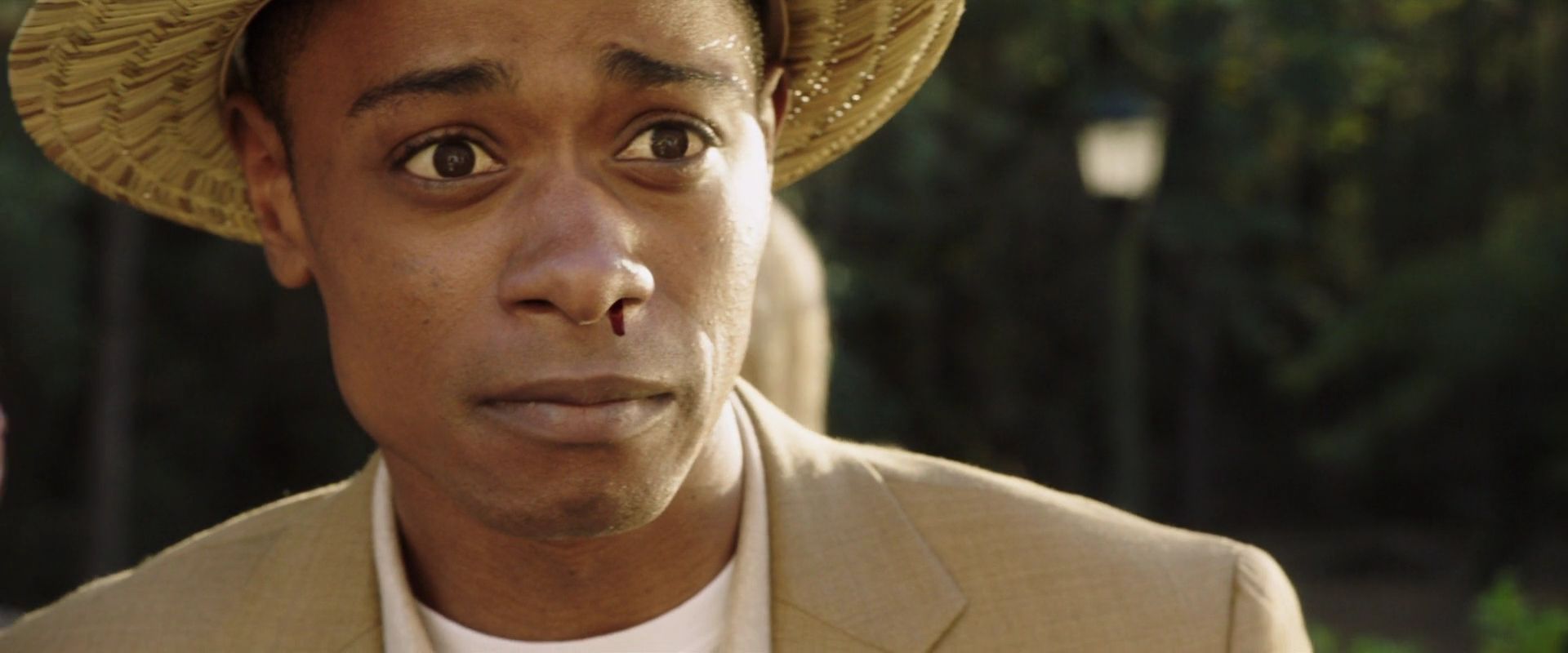
Chris (Daniel Kaluuya) is a young Black man who’s wary about meeting his white girlfriend Rose’s (Allison Williams) super-rich family for the first time. Her parents (Catherine Keener, Bradley Whitford) seem friendly and welcoming. However, Chris is in over his head as a gathering takes place with a sinister purpose in store for him.
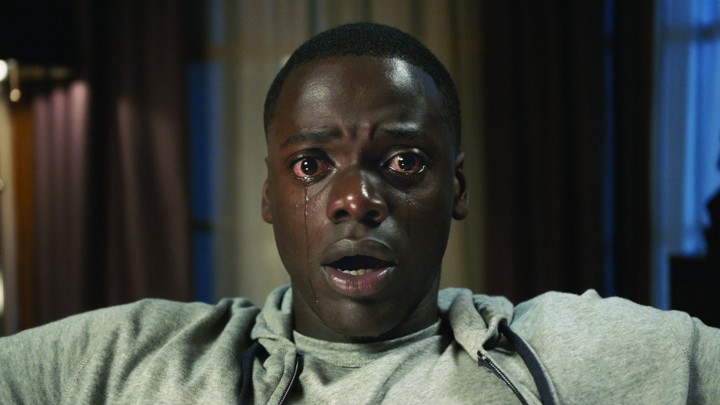
The movie is written and directed by Jordan Peele, who at the time was most famous for being a comedian.
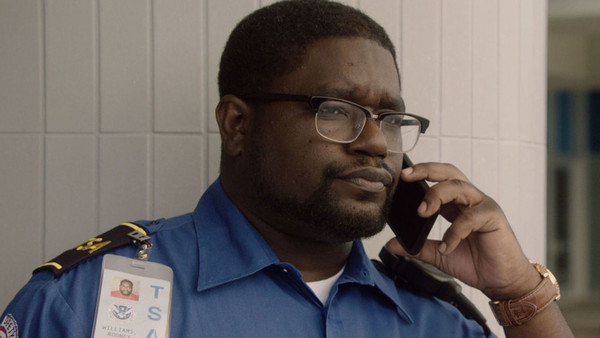
(He’s also married to a white woman, which has caused some speculation about his motivation for writing this movie.) So it seemed a little out of left field for a funnyman to be making a Blumhouse-produced horror movie. Well, it does have plenty of comic relief in the form of Chris’s friend Rod (Lil Rel Howery), who warns him not to go, and supplies amusing one-liners throughout. He’s definitely the voice of reason. Humor is used liberally, but it doesn’t detract from the creepiness, as Peele quickly established himself at being a master of horror as well as a comedic genius.
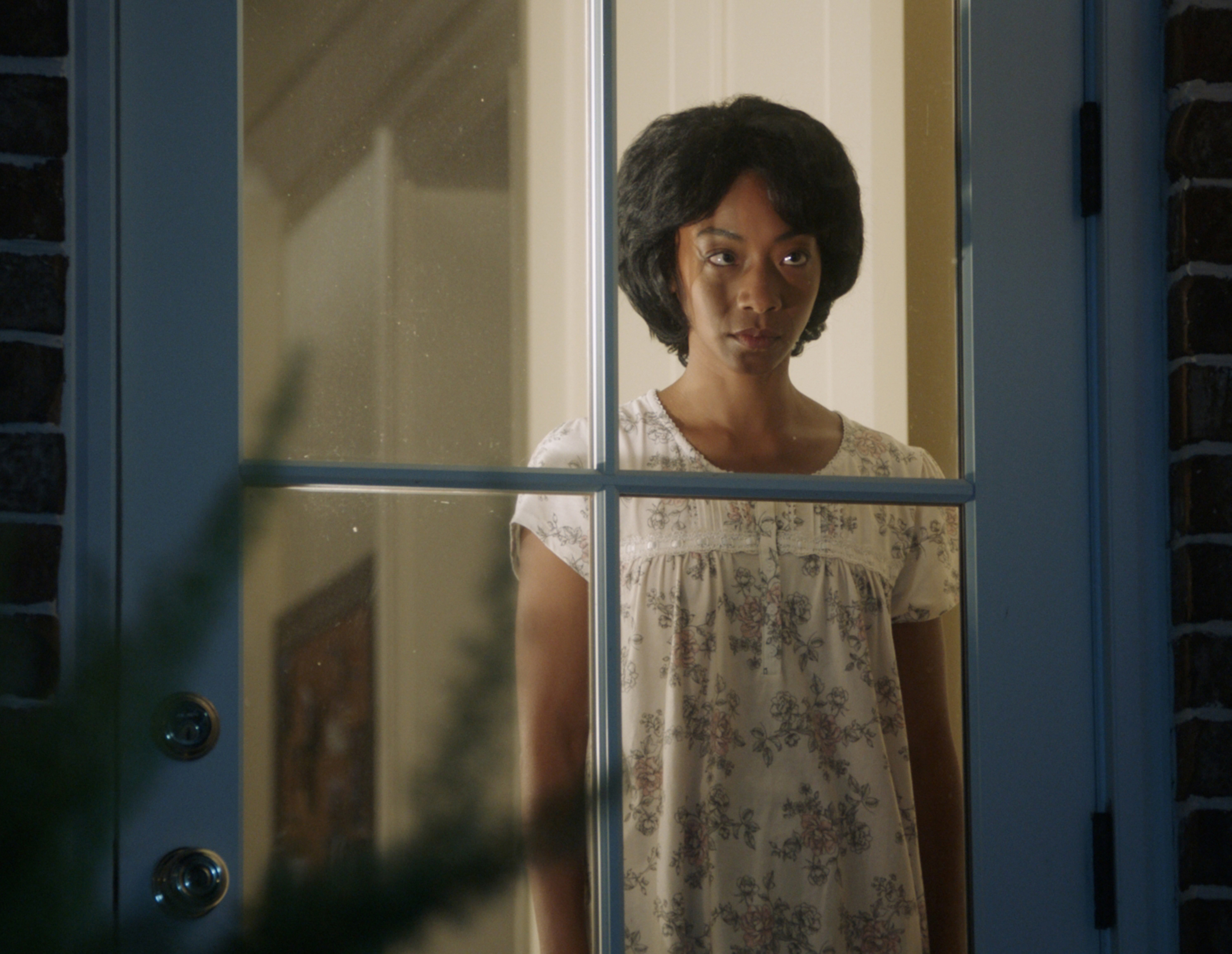
The tone of the film is often tense and masterfully suspenseful. Rose’s family exudes a sense of something being off, from her mother Missy, who is cold behind her kind facade, to the maid Georgina (Betty Gabriel), who constantly smiles, sometimes while crying. The music also helps set the mood; the score includes haunting, gospelly spiritual songs, which along with the rural Alabama scenery bring to mind slavery. Or there’s the more traditional for the genre screechy violin when something unsettling happens. There are quite a few effective jump scares, especially when Georgina appears suddenly.
Many of the frights are psychological. As a white person, it’s not every day I’m reminded of the advantages of my race (though I do try to stay conscious of them) and challenged to consider what life is like for someone without them. And, for those who say we are living in a post-racial society, I say bullshit. Peggy McIntosh, author of a seminal study on white privilege, wrote a lengthy list of benefits white people get simply because of their skin, some of which I quote here:
I can if I wish arrange to be in the company of people of my race most of the time. I can go shopping alone most of the time, pretty well assured that I will not be followed or harassed. I can turn on the television or open to the front page of the paper [this was published in 1988, btw] and see people of my race widely represented. When I am told of our national heritage or about ‘civilization,’ I am shown that people of my color made it what it is. I can arrange to protect my children most of the time from people who might not like them. I am never asked to speak for all the people of my racial group.
And those are just the emotional issues. McIntosh also states, “I do not have to educate my children to be aware of systemic racism for their own daily physical protection.” There’s a segment of the film when Rose hits a deer with her car (more on deer later), and she gets aggressive with the responding police officer who asks to see Chris’s ID for seemingly no reason. Chris stays calm and respectful and treats it as no big deal, while Rose protests because she can—there are no repercussions for her, because she’s white, and wealthy to boot. The scene serves as a reminder that Black people in America are targeted and potentially dehumanized by law enforcement. To quote Dr. Loretta P. Prater, who speaks from personal experience and authored Excessive Use of Force: One Mother’s Struggle Against Police Brutality and Misconduct:
When a Black man is a suspect, he is characterized as a potential menace to society who can legitimately be stopped and frisked, harassed, intimidated, and brutalized or killed, if necessary, in the interest of maintaining public safety. A comparison of racial victimization rates clearly documents that the rate of police killings is much greater for Blacks than for non-Hispanic whites. Thus, there is a disproportionate probability that Blacks, and especially Black men, will be killed by the police, in comparison to other racial and gender groups […] Black men, whether incarcerated or free, innocent or guilty, must carry the stigma of ‘suspect.’
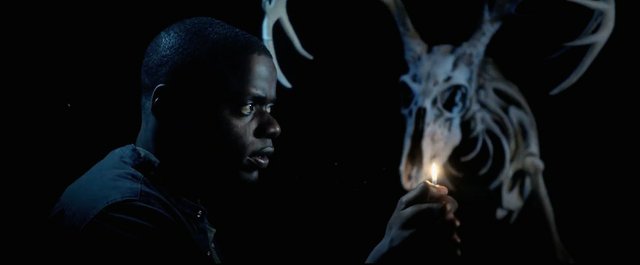
In the course of the movie Chris is treated not only like a criminal, but also like an animal. Deer are a consistent image system in the movie, and symbolize two things. One is the angry white notion of a Black “buck”, as summarized by Wikipedia :
According to popular stereotypes during the post-Reconstruction era, ‘Black Buck’ was a Black man (usually muscular or tall) who defies white will and is largely destructive to American society. One would usually be hot-tempered, excessively violent, unintelligent, and sexually attracted to white women.
Rose’s father Dean professes to hate deer, stating, “You know what I say? I say one down, a couple hundred thousand to go. I don’t mean to get on my high horse, but I’m telling you, I do not like the deer. I’m sick of it; they’re taking over. They’re like rats. They’re destroying the ecosystem. I see a dead deer on the side of the road and I think, ‘That’s a start.'” At the same time, deer represent greed and possessiveness and the white coveting of Black bodies. Dean prominently displays mounted deer corpses in an attempt to show possession and power.
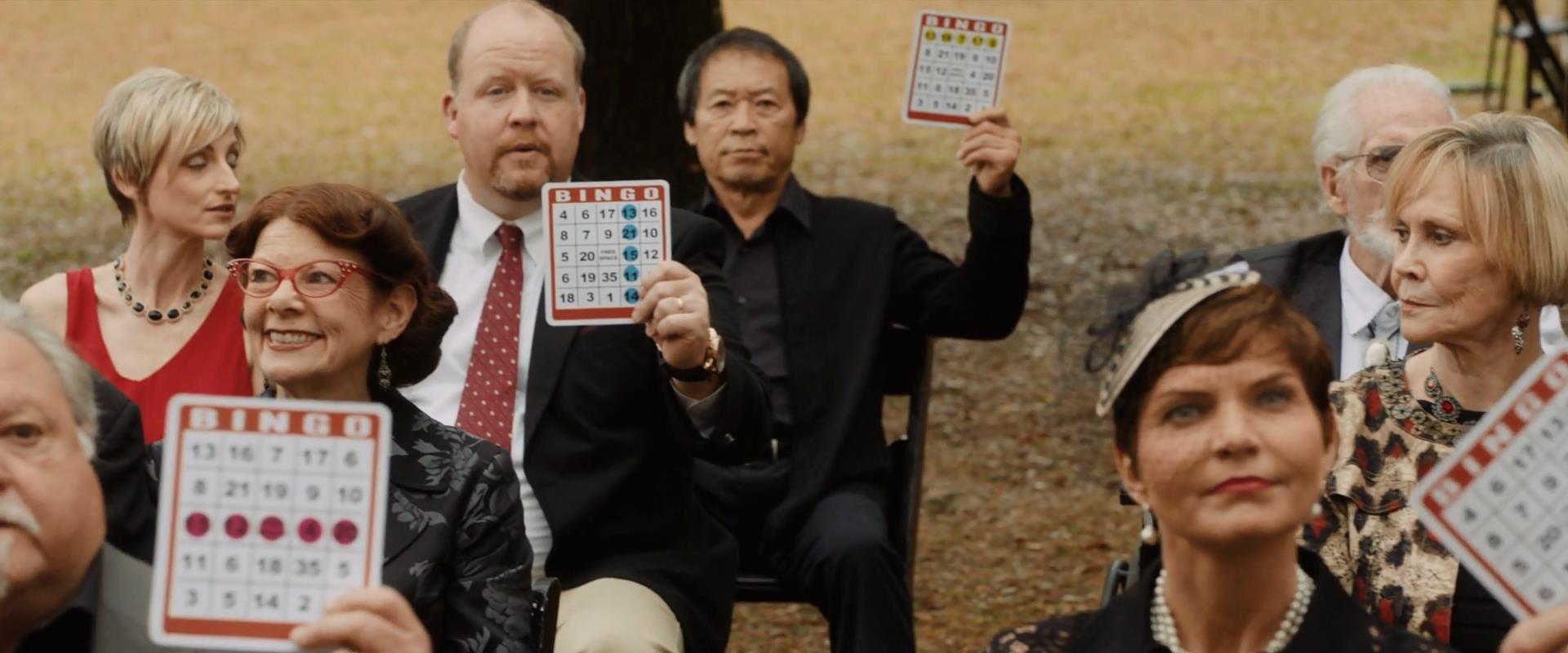
Chris is viewed by Rose’s family and their guests as an object to be possessed. One of the scariest moments in the movie is when right after Chris and Rose go into the woods for a walk, Dean auctions Chris off. It’s filmed with no discernible dialogue, just blank-faced or jovial white folks bidding on a person (with bingo cards, ’cause white people). In Hell of a Book, Jason Mott explores white control over Black bodies:
My whole body felt like it wasn’t mine anymore. Like maybe it had never been mine. Like it might suddenly be taken away from me at any moment and there was nothing I could do about it. What’s worse, there was nothing I would ever be able to do about it. That’s what the Fear really came down to. That’s what all of the other fears were derived from for people of a certain skin color living in a certain place. But it wasn’t just a fear, it was a truth. A truth proven time and time again for generations. A truth passed down through both myth and mandate, from lip-to-lip to legislation. Certain bodies don’t belong to their inhabitants. Never have, never will again. A persistent, inescapable, and horrific truth known by millions of unsettled bodies. The Fear. It had always been there, but I could see it now. Could really recognize it. And once that happens, once you see it, you can’t look away. Can’t ever quiet it. Can’t ever forget that you don’t belong to yourself anymore, but to the hands, fists, cuffs, and bullets of a stranger.
The film defies conventions. There are so few horror movies that directly examine issues of class and race. The People Under the Stairs comes to mind, but that was written and directed by a white dude. Overall, it’s an eerie, well-made film. Give it a look if you’re in the mood for something extraordinary.
 GhoulieJoe