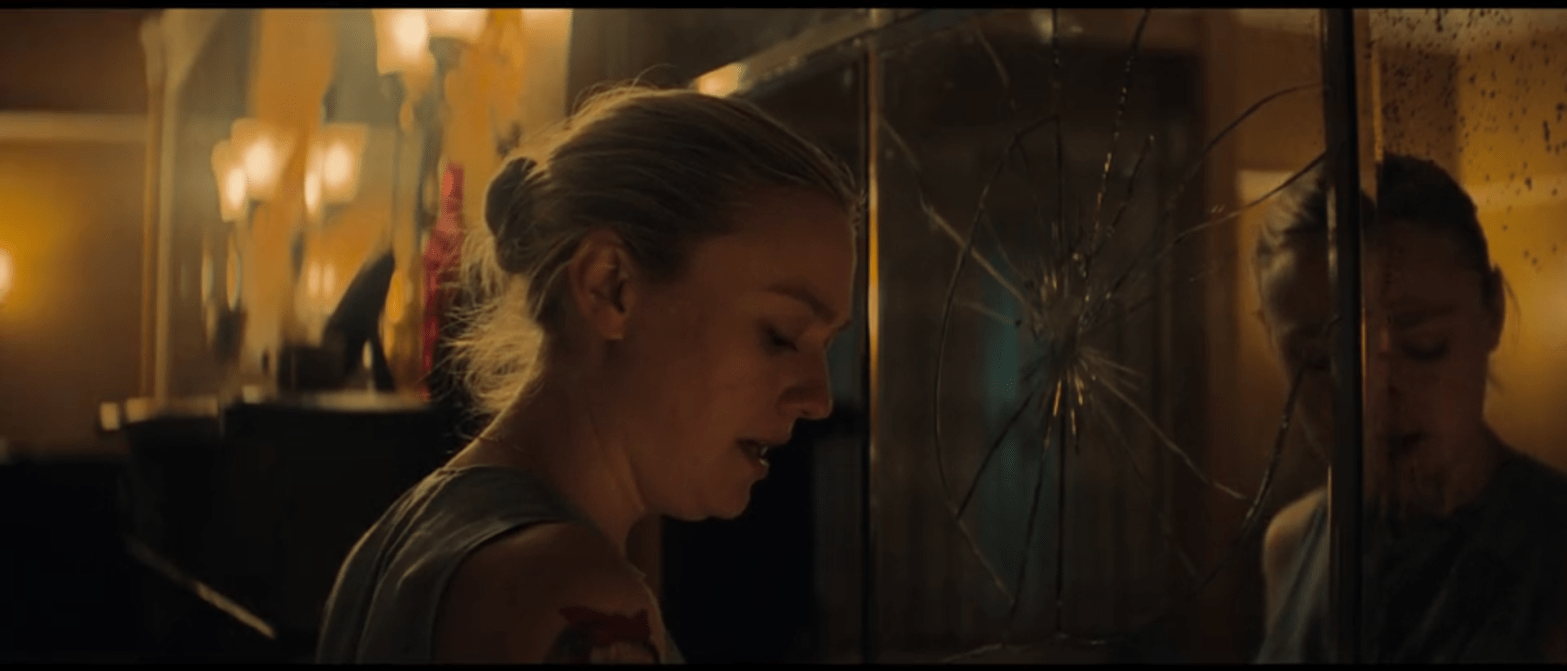
I have an associates degree in social science, which means I am qualified to treat mental health issues…not at all. Not even a little. Buuuut I think movies have a lot to teach us about our shared humanity, and this one, with its deliberate allegory about self-hatred, is particularly poignant.
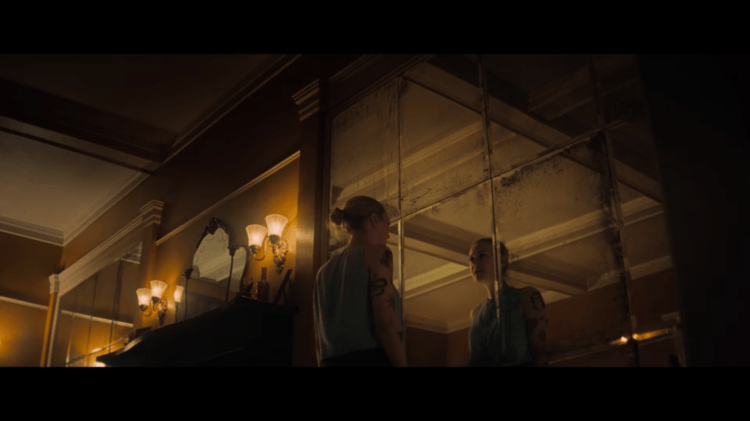
If you’ve never felt consistently worthless, seeing how someone who does acts and thinks can be confusing, shocking, and frustrating. I’ve puzzled long and hard why something so painful and intrinsically useless can be so hard to let go of. I’ve concluded that in my case it’s a defense mechanism. It keeps me from criticism, failing, and making people angry (or leastways it’s supposed to). Why let someone surprise you when you can beat them to the punch and dislike yourself in advance? It’s a habit long built up from being late-diagnosed autistic. I’ve spent so long looking at other people to see how to act that I’ve lost much of my own values and beliefs. I stumble along perpetually seeking acceptance so I can tolerate myself enough to function.
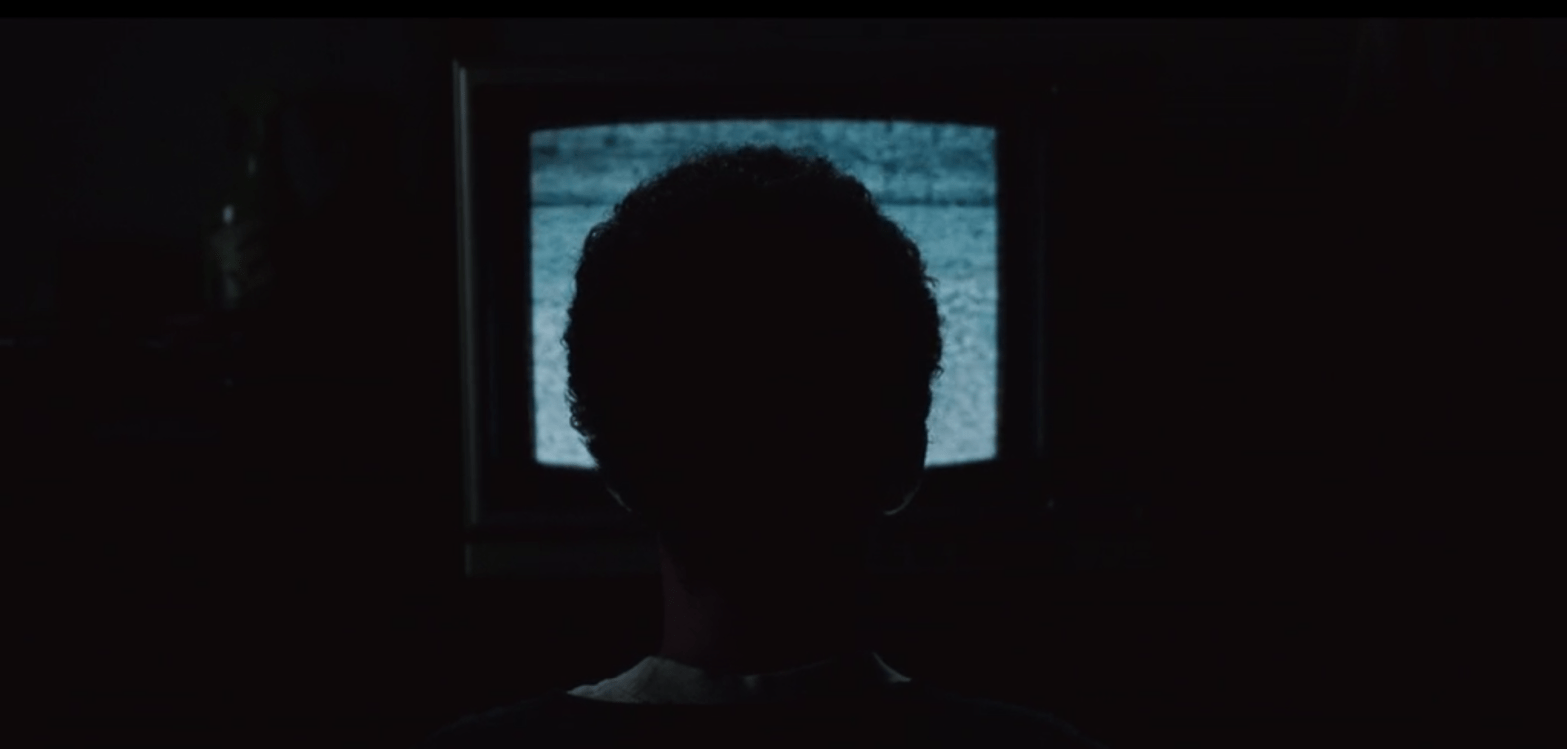
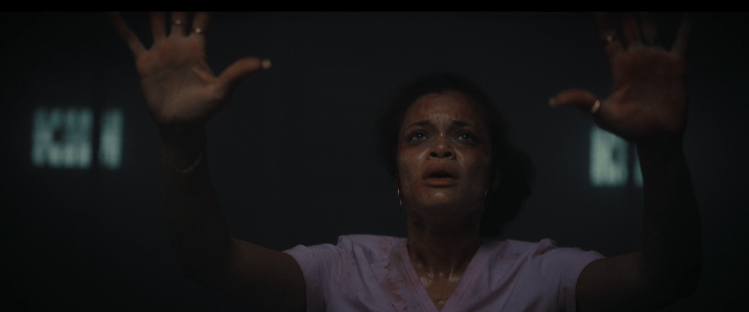
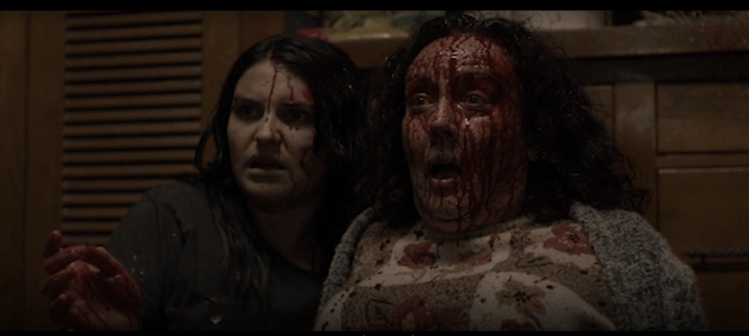
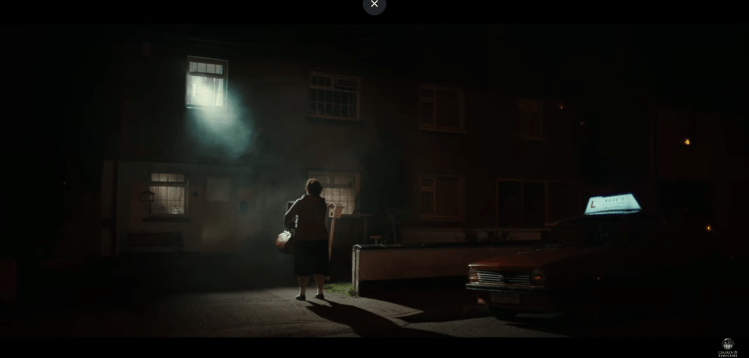
In Vicious, Polly is an aimless 30-something trying to get her life together, at least in terms of western capitalist standards. Ya know, a well-paying job, making her own way rather than renting a place from her sister that she could never otherwise afford, going to pottery classes. She’s visited by an unnamed dotty older lady who leaves her with a box, telling her she’ll die if she doesn’t do what it wants. She soon finds out that she’s expected to fill it with something she hates, something she needs, and something she loves. Her night gets progressively more unpleasant from there.
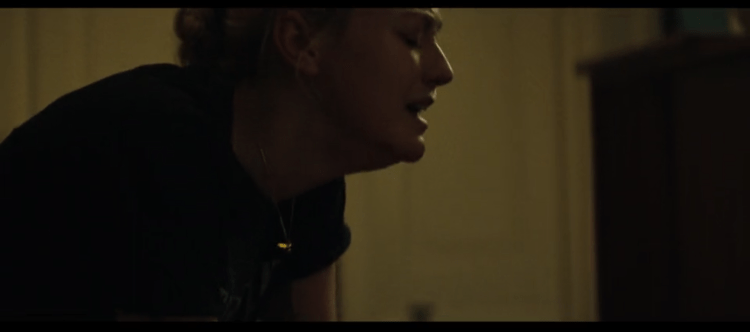
The first lines of the movie, spoken by Polly, are: “I don’t want to be me. Is that a weird thing to say? It’s true. So tired of feeling like none of it matters. I try so fucking hard. I bang my head against the fucking wall. Every minute. Every second. But nothing changes. It doesn’t get better. I’m still right here. And it’s all the same.” The phenomenon of the box is never explained, but it’s hinted that it’s drawn to people that are super ready to jump in and start destroying themselves when the box demands it. As the woman muses to Polly, “I think it chooses us because we are broken. You were nice, I can tell. But it doesn’t matter. I tried so hard. The things we do to ourselves. It’s never enough. I lost everything I was, everything I could be. I was so afraid. The box needs that.”
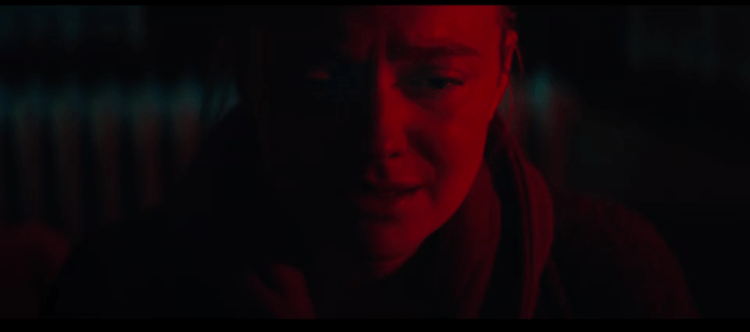
The demon behind the box is productivity shame personified (demonified?), times 1,000. As the woman who gives Polly the box states, “You have to do things. It never, ever stops.” Even after Polly gives it the three items it asks for, she still has to pass it along, and even then, the box isn’t finished with either her or her predecessor. It’s never enough. You’re never done.
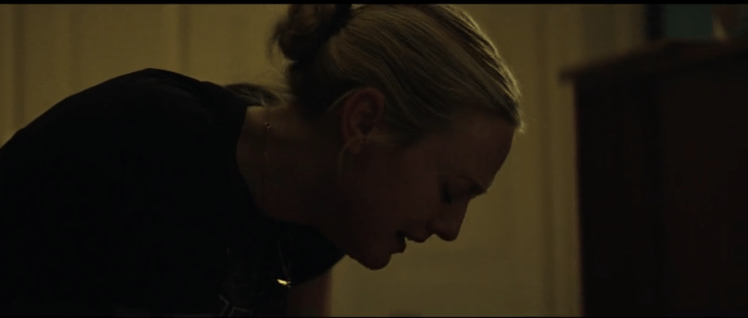
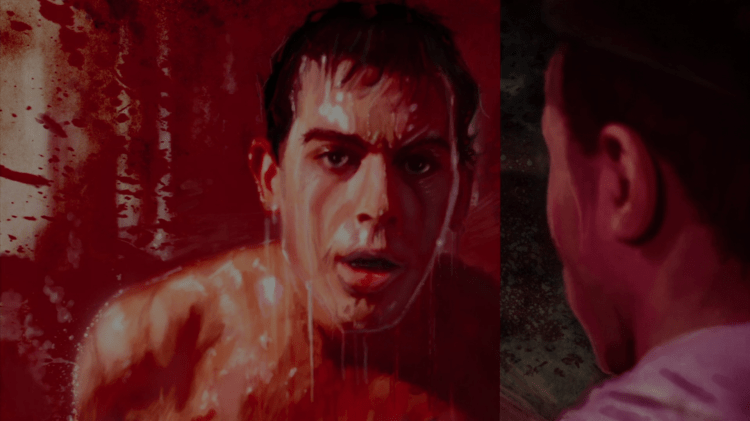
Part of the fuckery of the box is that it uses the voices of loved ones and Polly’s own reflection to convey its twisted messages. Posing as her mother, it says, “We know everything about you. Everything you would never tell. Hobbies drop away like flies. You never had a job for more than four months. You can’t make a choice that really matters. So you waste away, hiding. You’re an open book to strangers, but you shut down the second anyone gets close. It’s too hard, too scary, too risky. So you never feel a connection. You never feel love. You barely feel anything anymore.” Like a critical inner monologue, the demon mocks Polly for things that don’t sound like sins as much as they sound like a sad person trying to avoid being hurt. (To be honest, the voice then goes on to remind her that she stole money out of the register at work, but it was only $26. A pittance, really.) What we see of Polly, actually, is that she is kind to strangers and willing to make horrible sacrifices to protect her loved ones. But is the box impressed? The box is not. After it tricks Polly into cutting off a toe when it really wanted a finger, it uses Polly’s niece’s form to snap, “There are no mistakes! Only choices.” It flat-out tells her that she was trying to take the easy route. One of the few comic relief moments in the film is when Polly opens the box to find her initial offering still inside (the items disappear if the box accepts them) and hollers indignantly, “I cut off my fucking toe!”
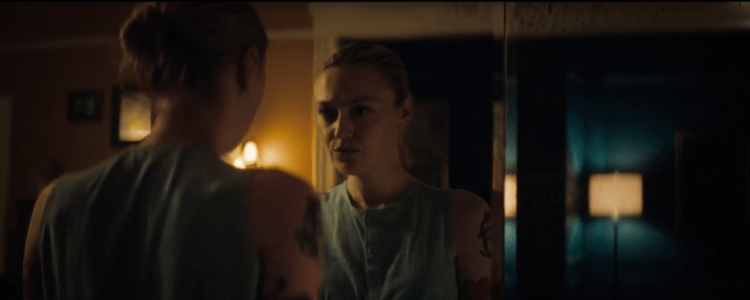
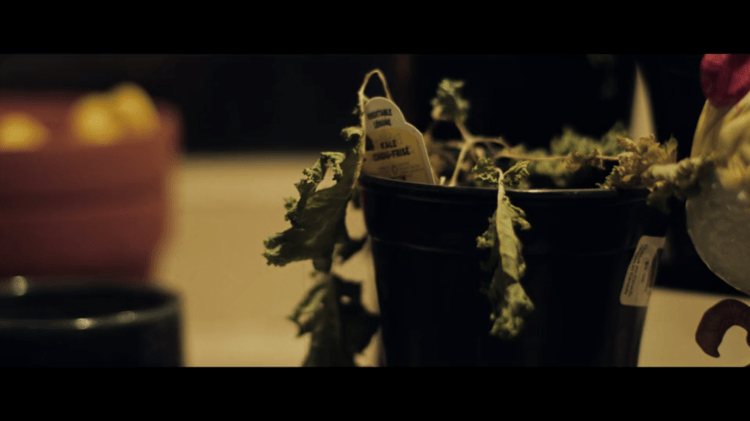
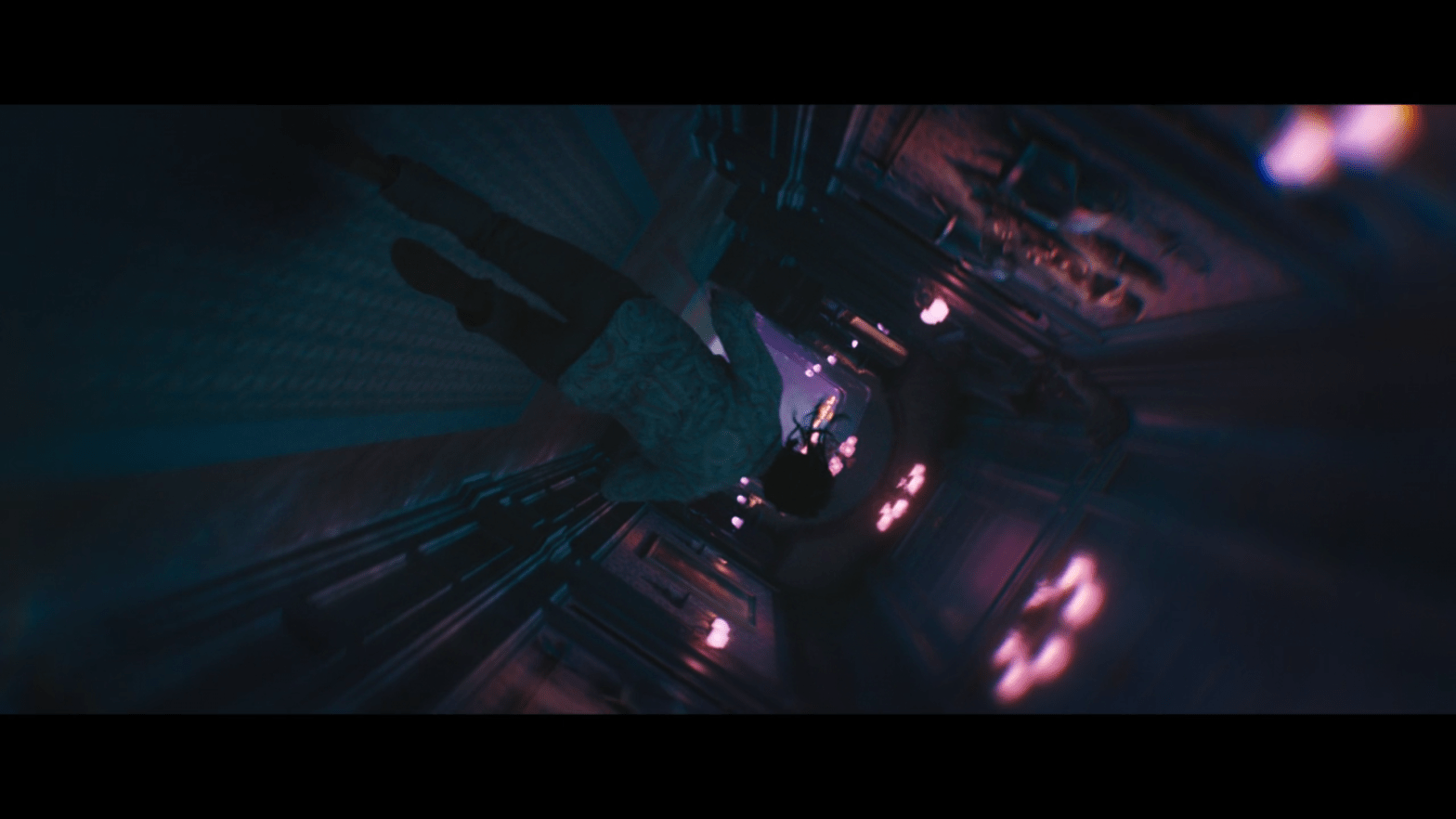
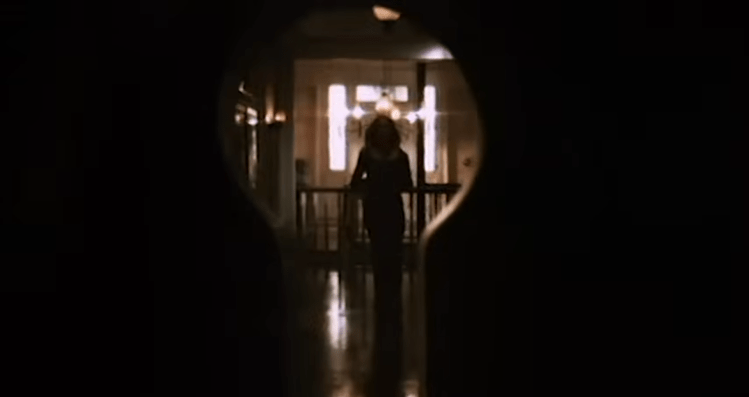
Polly’s house effectively conveys her mental state and way of moving in the world. It’s messy, full of dying plants, and has four locks on the front door–she’s disorganized and isolated. The demon from the box wants to keep her that way. Any time she attempts to contact the outside world, it goes horribly wrong. “Don’t you dare,” the demon repeats. It’s imperative that Polly can’t tell anyone what’s happening to her.
The three recipients of the box are all required to mutilate themselves to appease the demon. This aspect of the film struck a chord of recognition with me. I used to self-harm as a teenager. I can’t speak for everyone, but my own rationale was that it was a way to show that I was hurting on the inside without admitting to it out loud, because I didn’t feel like my problems were solvable or even important. When I was in my early twenties, I was changing antidepressants because my psychiatrist at the time told me I was gaining weight. I don’t recall if he failed to instruct me on how to safely switch from the former to the latter medication, or if I just missed that lecture somehow, but you one hundred percent cannot just start taking a new kind of mood regulation pill without a plan to taper off of the old one–it’s like switching brands of dog food without mixing the two kinds together, except with less diarrhea and more wildly irrational behavior. The guy then promptly went on vacation and was unreachable when I became a maniac who sank to the floor and literally howled after a minor disappointment set me off. Later that day my best friend/roommate at the time was mildly annoyed with my attitude, so it seemed like a logical reaction to cut my arm with a kitchen knife. She sure stopped being mad at me when she had to take me to the hospital for stitches.
Polly finally realizes that the only way not to escalate things with the box is to not give it what it wants at all. To ignore it completely. Which is one clinically accepted tactic for getting rid of a critical inner voice. A school of thought that’s gaining popularity in the psychology scene is that the most effective way to deal with self-esteem issues is to no longer argue with the voice but instead hear it out and move on so as to spend as little energy entertaining it as possible; however, it’s definitely a good first step to stop agreeing with the voice and doing its bidding.
Polly’s neighbor, possessed by the box, sneers, “No one else can help you.” This is fundamentally true about self-esteem issues, at least in that no one can give you a feeling of self-worth. Recently at work my manager pulled me aside to tell me that I had a good attitude and followed the rules and that they liked having me there, and I couldn’t help but wonder if he pulled my name out of a hat or something. My wonderful friend Paula can assure me that I deserve love, and I trust her opinion over most peoples’, but she can’t implant that idea into my head like in a sci-fi movie; I have to actually internalize it.
All attempts at making light aside, I have a bigass scar on my forearm to remind me that my self-loathing was once dangerously out of control. Part of the process of moving away from self-destructive thoughts and behaviors is recognizing how unfair, arbitrary, and cruel the inner rant is. It’s something I’ve been moving towards (with the speed of a herd of turtles–I’m turtle-rich!), and I wanted to write about this movie because it really brings that point home. Nothing Polly does in service of the box makes her a better person or helps with the supposed flaws the demon was snarking at her about–quite the opposite. If you struggle with hating yourself (or even if you don’t–godspeed, you magnificent bastard!), I’m asking you, please remember to quit metaphorically cutting off your toes and symbolically water your kale plants.
*Author’s note: I need to give major credit to my counselor Shakayla, Paula, and my sisters Leslie and Suzy, who constantly help me question my shitty thoughts and beliefs.










 GhoulieJoe