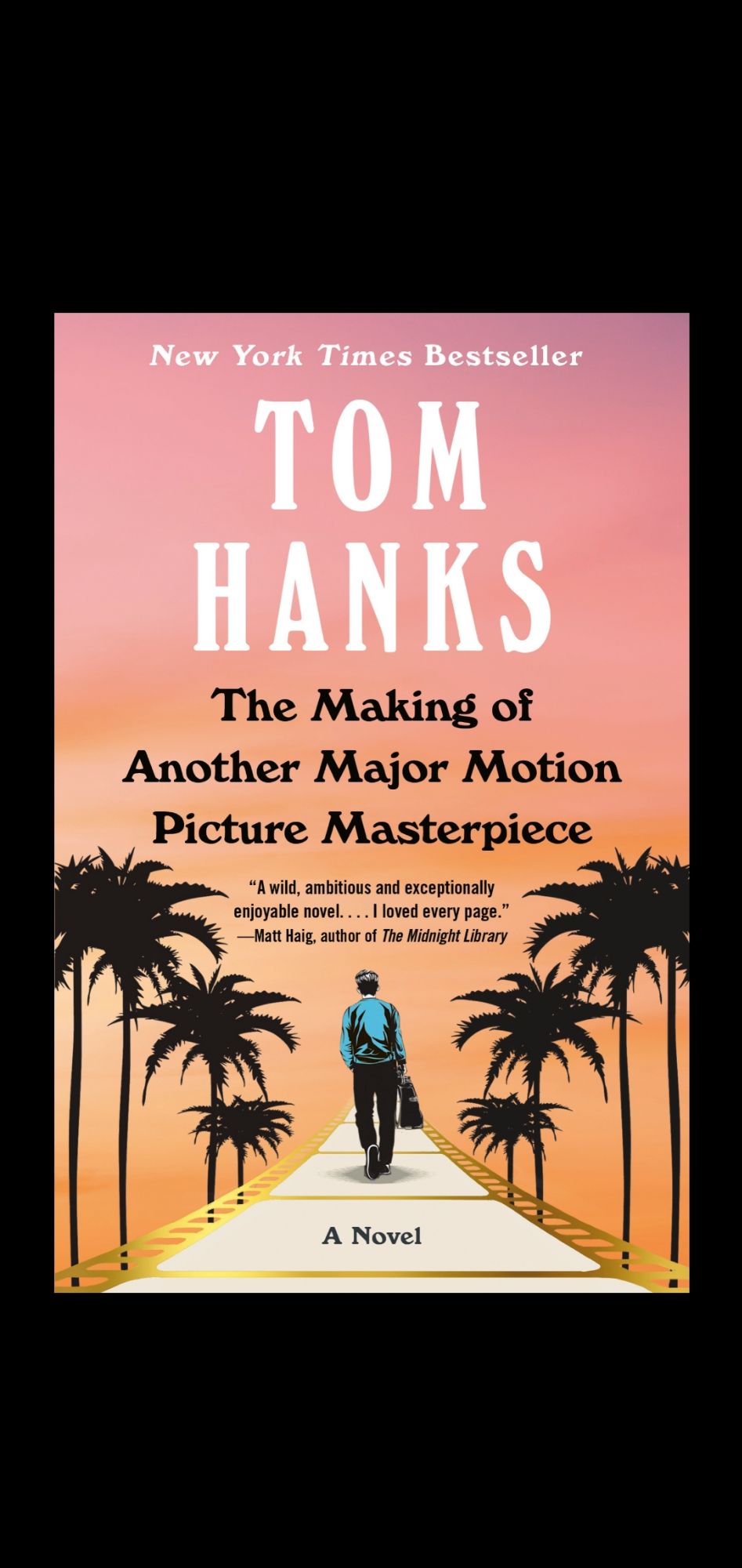
“I don’t hate any films. Movies are too hard to make to warrant hatred, even when they are turkeys. If a movie is not great, I just wait it out in my seat. It will be over soon enough. Walking out of a movie is a sin.”
–Tom Hanks, The Making of Another Major Motion Picture Masterpiece
I began my college career as a psychology major, and I have an AA in Social Science. Therefore, I am qualified to treat mental health issues…not at all. Whatsoever. Buuut I once read an article about how the movie The Martian is good for anxiety because Matt Damon’s character puts aside his problems in order to survive. He gets shit done. Which is good for anxiety. Therefore I’ve compiled a list of gettin shit done horror movies, Final Girl edition.
10. Big Driver
*Content warning: the film centers around a brutal rape, which is depicted briefly but graphically and revisited often in flashbacks.
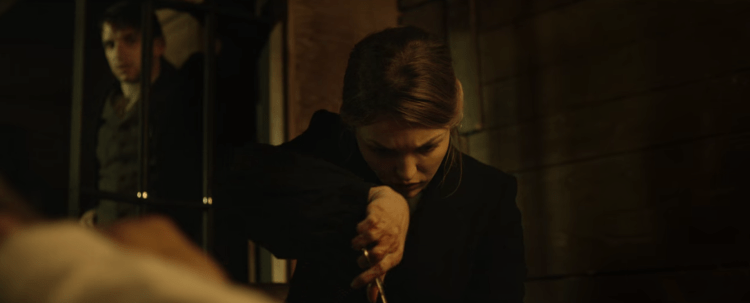
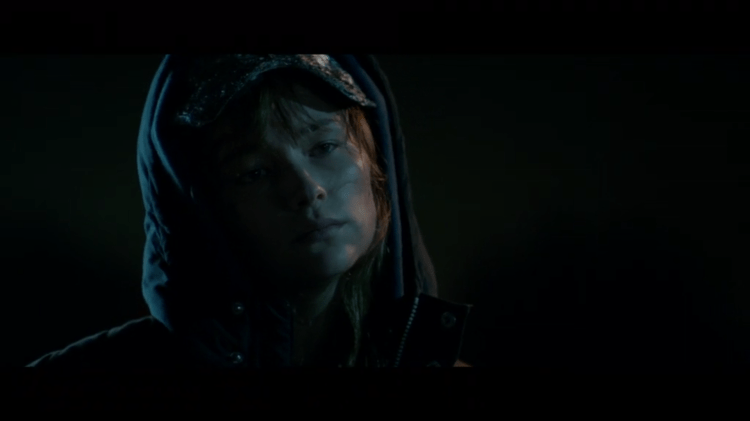
Tess is a slightly unhinged writer of cozy mysteries about golden agers who love knitting. Creepy librarian Ramona tricks her into taking a shortcut where Ramona’s son likes to claim victims, and Tess is assaulted and left for dead in a drainage pipe. After coming to, finding her shoes, and stumbling to town, she decides she will not involve anyone else. As she states, “I have nothing to be ashamed of, but I know how it works.” While not knowing how to change a tire is her downfall, she is able to dress her significant series of outer wounds and coolly assesses her internal injuries: “Light concussion, maybe. Probably not a skull fracture.” Tess is singularly qualified to kill some folks and not get caught, egged on by her imaginary relationship with the main character in her books, who warns, “Don’t get caught.” She has already spent an inordinate amount of time pondering human absence of logic and the motivation behind when people do the unthinkable. She’s able to plan her revenge quickly and with barely a modicum of flawed reasoning.
9. Bone Tomahawk
I have my issues with this film. Obviously the nineteenth century was far from a time of racial tolerance and no filmmaker needs to pretend otherwise, but there’s a difference between highlighting racist ideas and enforcing them. The villains, who kidnap three white people, two of whom are very likable and nice, are severely inbred indigenous people. Also, one of the most otherwise levelheaded characters is obsessed with killing Indians. However, it warms my heart that the movie cleverly subverts gender stereotypes. Men have felt superior to women, especially in long bygone days, because of the notion that women think with their ovaries while men use sound judgment. But every man in the film who isn’t ignorant or downright childlike (or onscreen for less than a couple of minutes) makes dumb decisions based entirely on feelings. Arthur, the main character, comes close to losing his already broken leg because he can’t stand the thought of someone else saving his wife, even though he slows the rest of the rescue team down dragging his busted-ass limb around. He falls and makes his injury worse while punching someone who’s helping him. Even the virtuous Sheriff Hunt has the nasty habit of flying off the handle and shooting any person who crosses him, which greatly contributes to the kidnapping. Arthur’s wife Samantha is the smartest and bestest character in the movie. She’s a doctor who understands the importance of cleanliness and not climbing on roofs during a storm. As she huffs, “This is why frontier life is so difficult. Not because of the Indians or the elements but because of the idiots!” Samantha keeps her wits about her at all times, even when she’s in a cage.
8. Happy Death Day
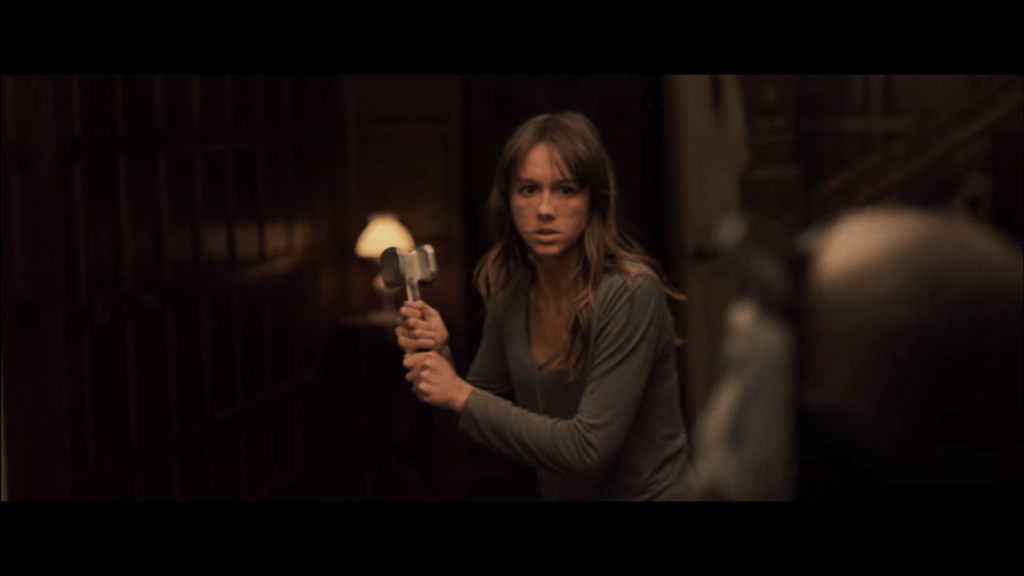
Tree is a college student who finds herself in a time loop: it’s her birthday, and every night she is murdered by a mysterious masked person. She quickly realizes that the only way out is to discover who the killer is (she’s kind of a jerk, and a lot of people have plausible reasons to kill her). By the second time she’s attacked, she starts fighting back, and by the third time she’s boarding up her windows and defending herself with a hammer. She continuously learns new skills and techniques. Before long, she not only has a plan to fight her assailant, but she’s also growing as a person, finding that with every new day she has a chance to be better.
7. Kristy
Justine is a college student staying in her dorm over Thanksgiving weekend. She’s established as humble but charming, with her work study job washing dishes and ability to greet by name seemingly every single person on campus, from the students to the security guards to the groundskeeper. Through no fault of her own, she’s targeted by a cult dedicated to killing “Kristy”, the “follower of Christ”, which seems to be any girl who has stuff that leader Violet is jealous of. Justine knows the campus well (definitely better than the killers who picked her on a whim) and is a long-distance runner, as well as booksmart, so she’s able to throw together strategies like recording herself to throw her voice and fastening nails to a baseball bat; eventually, she has her four pursuers regretting messing with her.
6. Fear Street: Part III–1666
Deena is a teen living in a town cursed by a witch and haunted by the various spirits of demon-possessed murderers. Her adventures in stopping the supernatural unpleasantness stretch across three movies and centuries. The first one has some impressive and satisfying ghost-fighting segments, but you can definitely skip the second one unless you like Friday the 13th wannabes. My favorite is the third, in part because it’s the most getting-shit-done-est, plus the most nostalgia-inducing. The second half of the film takes place in the mid-’90s, so the plan for trapping the spirits (in the mall, naturally) involves blacklight paint, Fear Street books, and storefront security gates.
5. You’re Next
Erin is accompanying her boyfriend to his rich family’s house for an anniversary party. Once there, they’re menaced by a trio of mask-wearing murderers. Luckily for them, Erin has spent some time in a survivalist compound (in Australia, no less, so she’s extra accustomed to everything in her environment trying to kill her), and she has a few tricks up her sleeve. Moments after the first victim is shot, she’s helping the family cross the danger zone by the windows by running with a chair as a shield. She wastes no time arming herself and securing the house. The violence gets a bit cartoonish by the end, but Erin is great, and the cast is irresistible if you’re into mumblegore: Joe Swanberg, A.J. Bowen, Amy Seimetz, Ti West, and Simon Barrett. Plus horror legends Larry Fessenden and Barbara Crampton.
4. Ready or Not
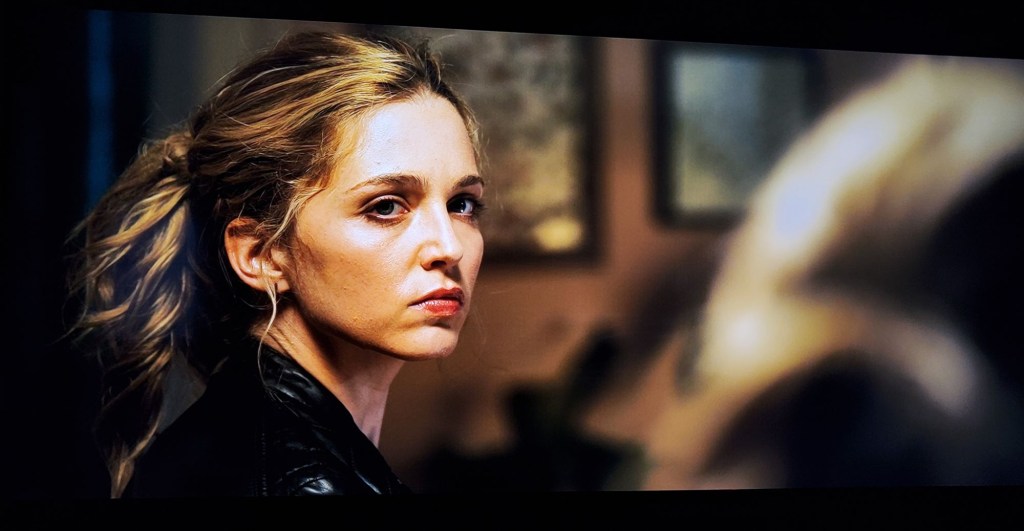
Grace is marrying a rich guy. Aside from her nervousness about the judgment of his snobby family, she finds her bigger problem is that because of a twisted generational ritual, she is being hunted with the intention of sacrificing her. Fortunately for Grace, most of the seekers are pretty dumb and prone to losing or not knowing how to use their weapons; even the most competent of them tend to be forever forgetting their guns. But Grace is also really smart and resourceful, exchanging her heels for tennis shoes and tearing up her dress both for bandages and a garrote. This one is gory, but there is a rich vein of comedy underneath.
3. Hush
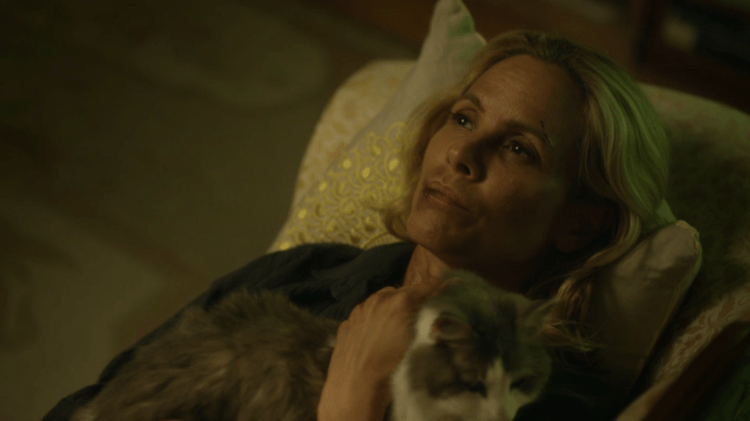
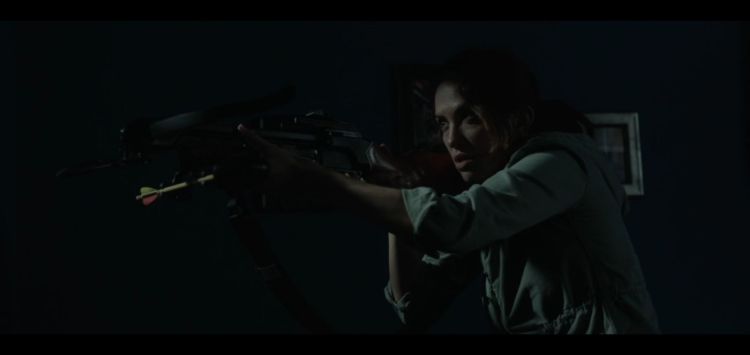
Maddie is a deaf and mute writer living in a secluded area. She’s ambushed by a killer disguised in a smiling-noncommittally mask. She’s given to some understandable bouts of crying, but mostly she keeps her cool and is always strategizing. She doesn’t let her lack of hearing make her an easy victim; on the contrary, it gives her smart maneuvers like hiding under her porch and feeling for The Man’s footsteps. She’s a fighter, able to steal his crossbow and knock him off the roof. In one scene, we’re treated to her thoughts, in which she decides that since she can’t run, hide, wait, or go outside, her only option is to kill him. *Spoiler alert, Maddie saves her cat.
2. The Hunt
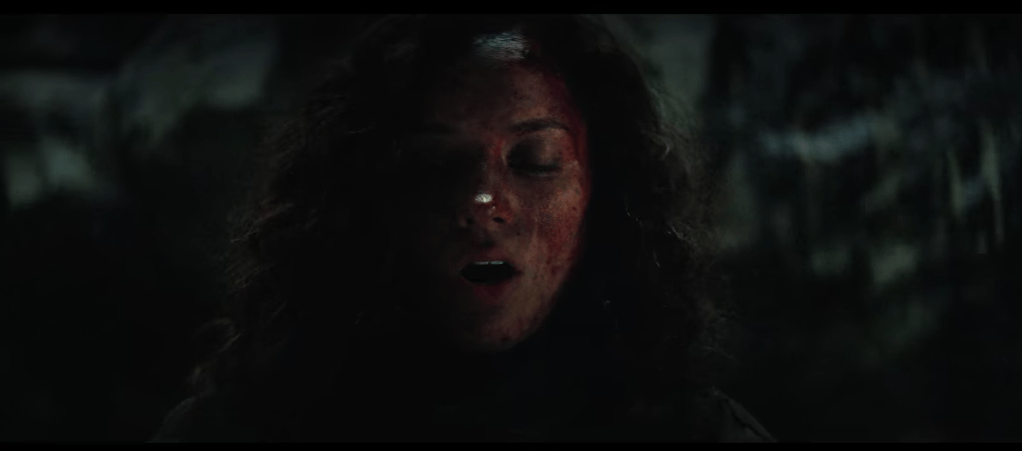
Crystal is a veteran of Afghanistan who’s (erroneously) scooped up with a handful of other “deplorables” to be hunted for sport by liberals with an agenda. She proves herself to be quick-witted, brave, and compassionate, as well as delightfully unperturbed by her circumstances. Instead of getting involved in a weapons grab with the other captives, she calmly makes a compass and sets off to figure out where she is. Crystal is wont to say things like “They’re trying to kill me, I don’t give a shit why” and “At least one of you is smart.” She can shoot as well as engage in hand-to-hand combat, a skill that contributes to one of the coolest fight scenes committed to film.
1. Copycat
Dr. Helen is a criminal psychologist who develops agoraphobia after being attacked by a serial killer. As the title indicates, she is stalked by a copycat killer. She teams up with M.J., “one pushy broad”, a no-nonsense detective who bosses men around (it’s 1995, it’s kind of a big deal). Naturally, Helen gets kidnapped and forced to relive the attack, which also compels her to confront her phobia. It’s an accurate reflection on anxiety in general; Helen shuts herself away from life in fear of being hurt again, and the thing she’s most scared of finds her anyway–her only recourse is to face it head on to overcome it. As her assistant Andy says, trying to encourage her to push beyond her self-imposed limitations, “Live or die?”
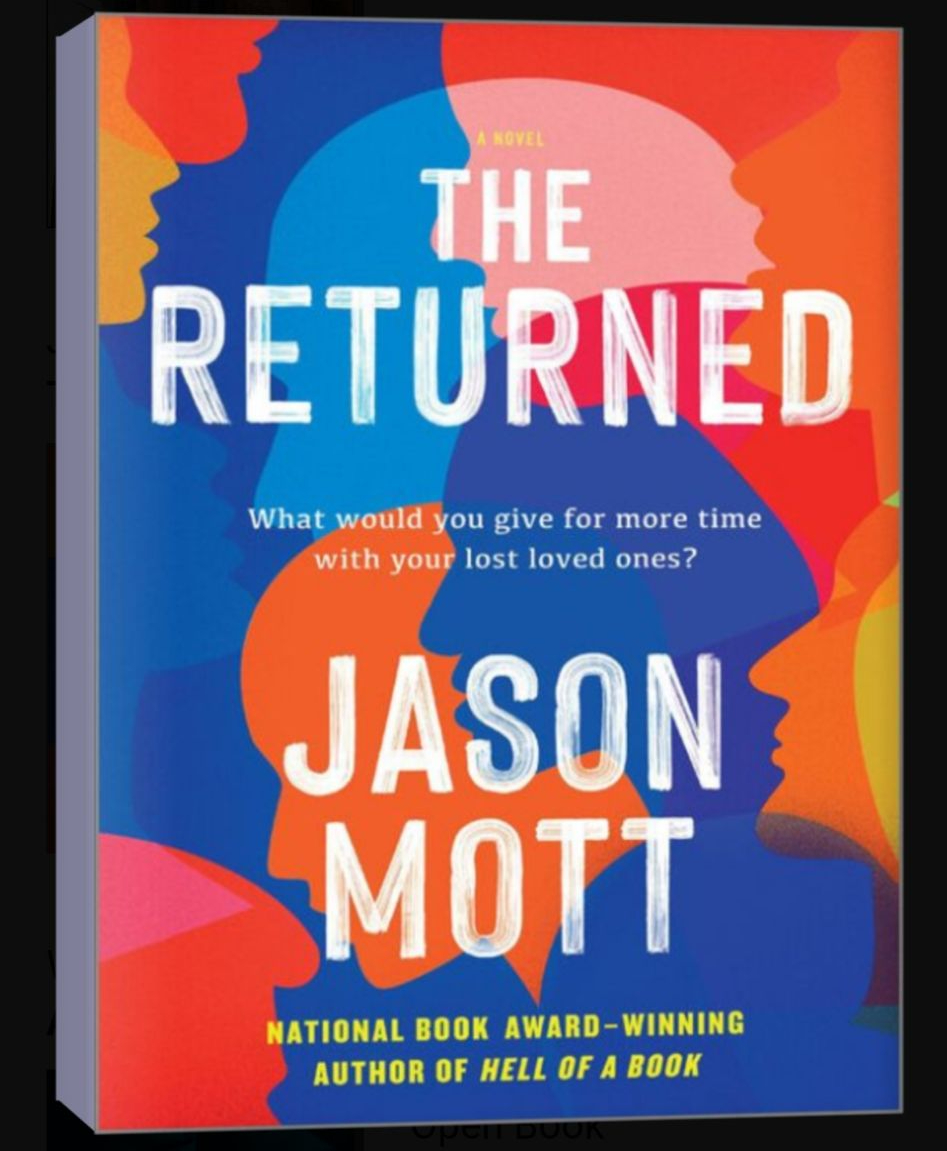
“This is Ro’s first visit, and she can feel the glitter in the air. This place feels like Stardust and A Midsummer Night’s Dream and Labyrinth had an orgy and popped out a slightly bougie baby behind a baseball field.”
“Not since ’72 when the Sainted Soul Stirrers of Solomon–that traveling gospel band with the Jewish bassist from Arkansas–came to town had the church been so full. Just people atop people. Cars and trucks scattered about the church lawn. Someone’s rust-covered pickup loaded down with lumber was parked against the crucifix in the center of the lawn, as if Jesus had gotten down off the cross and decided to make a run to the hardware store.”
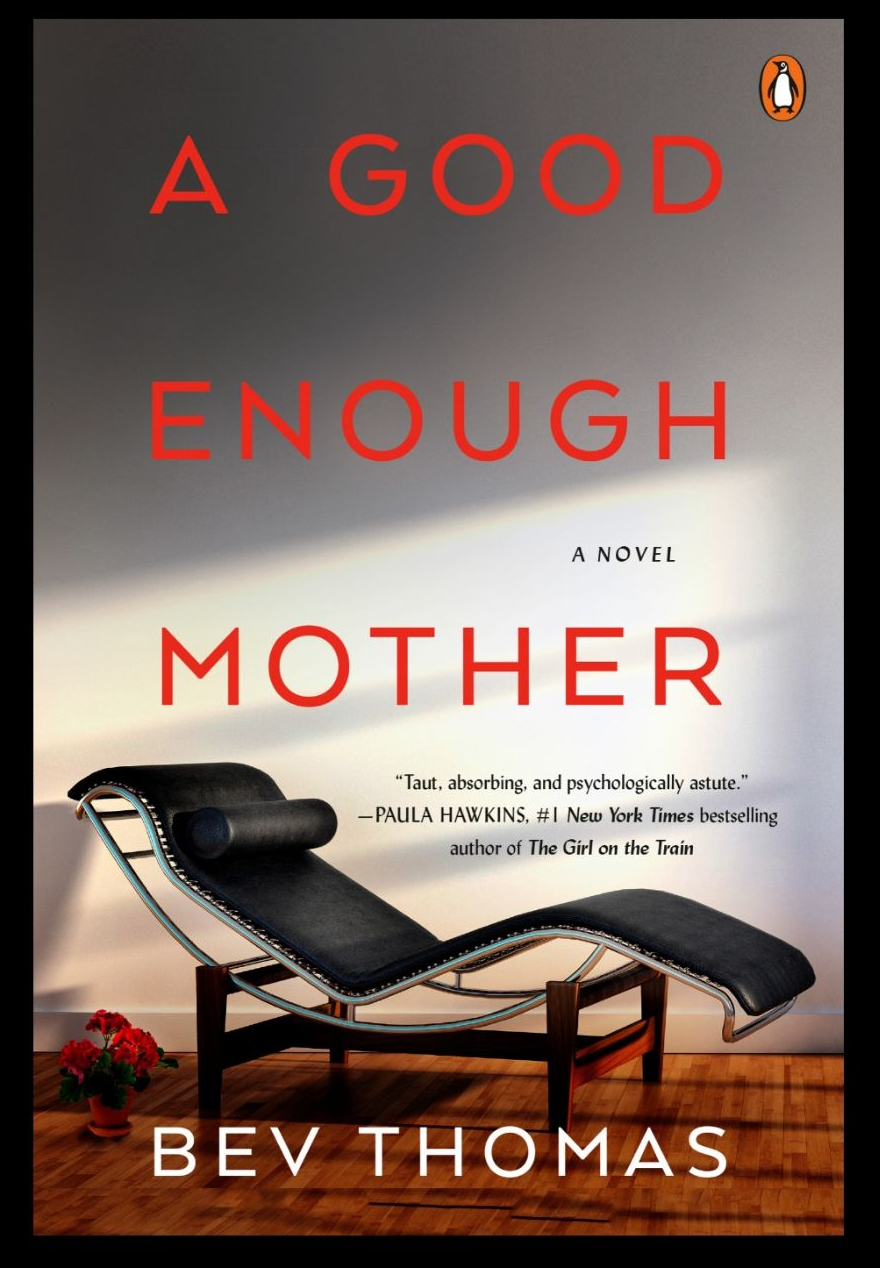
“On paper, Dan Griffin was nothing out of the ordinary. He was anxious, he was urgent, he was like any other patient we see at the Trauma Unit. ‘Unremarkable’ was how I described him to the police. When they looked for answers in those early therapy sessions, they read about the bruise on his face, the terror in his voice, and the flashbacks that were so visceral they took his breath away, but there was nothing to hint at his capacity for violence. Nothing at all to suggest what he was capable of. It took a while to understand that the question to ask wasn’t Why didn’t I see it coming? but Why didn’t I move out of the way?
Recently, I was discussing the joys of rap music and horror movies with fellow blogger The Devil’s DVD Bin, and it put me in mind of the soundtrack from Thir13en Ghosts. In 2001, if there was a song you liked from a movie but you were too broke to buy a CD, you had limited options. It was too late to record it off the radio but too soon to steal it off Napster or Limewire. But if you had access to the movie, you could just watch the movie. As was the case for me with the songs from Thir13en Ghosts. “Mirror Mirror” by Rah Digga played over the end credits, and the DVD features included the below music video, “Excess” by Tricky, one of the goddamndest catchiest songs ever written to begin with, artfully synced with footage from the movie. It’s hypnotic. 2001 me watched that shit over and over. If you’ve never seen it, you’re in for a treat.
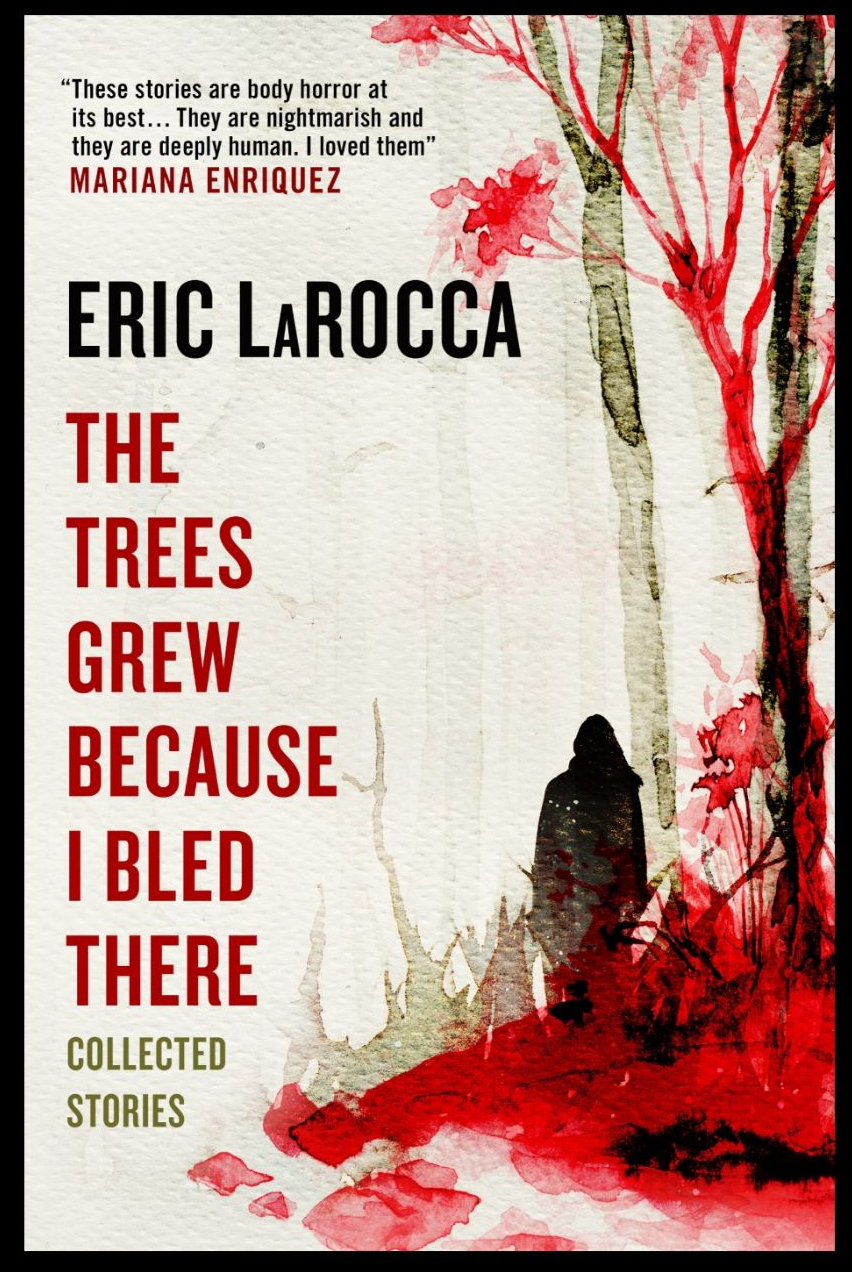
“I glanced further down the tree-flanked corridor, sunlight trickling through the overhead canopy of trees and flickering at me like the headlight of a ghostly locomotive–hurtling toward me, its whistle shrieking, ‘Get out of the way before I hurt you.’
That was perhaps the most repeated phrase I had heard throughout the course of my life–‘Please leave or I’m going to hurt you.’ “
–Eric LaRocca, “Please Leave or I’m Going to Hurt You”, The Trees Grew Because I Bled There: Collected Stories
My sister Leslie, whose opinion I trust implicitly, has on occasion pointed me in the direction of metal bands whom I might like, mainly because they are horror-themed. I had the beginnings of this listicle with Fans of the Dark, HorrorPops, and The Creepshow, so I asked her to recommend me some more. The following list of artists is curated by Leslie, and I chose my favorite music videos by them. Enjoy!
10. Wednesday 13: “Good Day to Be a Bad Guy”
An homage to Halloween III!
9. Calabrese: “The Dead Don’t Rise”
A fun mash-up of movie genres set to an irresistible beat.
8. Ghoultown: “Bury Them Deep”
A creepy tale set in the old West with truly unsettling animation.
7. Rezurex: “Mi Calavera de Amor”
A haunting love song with gorgeous visuals.
6. The Creepshow: “Sleep Tight”
The song that launched this listicle! An account of revenge from beyond the grave, set to creative filming techniques.
5. HorrorPops: “Walk Like a Zombie”
This is definitely the lowest-quality video in the bunch, but I had to have this song, and the live performance is definitely entertaining.
4. Bella Morte: “Water Through Sand”
Nostalgia tiiiiime! A lovely retro ’80s sound set to eerie cinematography and FX techniques reminiscent of the late 90s.
3. Lesbian Bed Death: “The Witching Hour”
I was torn between this one and “Goth Girls are Easy”, but I like this song almost as much and the video way more.
2. Fans of the Dark: “Night of the Living Dead”
A song (and video) tribute to Night of the Living Dead! What’s not to love?
1. The Birthday Massacre: “In the Dark”
A doll-like doppelganger and homages to Japanese horror movies with a catchy song!
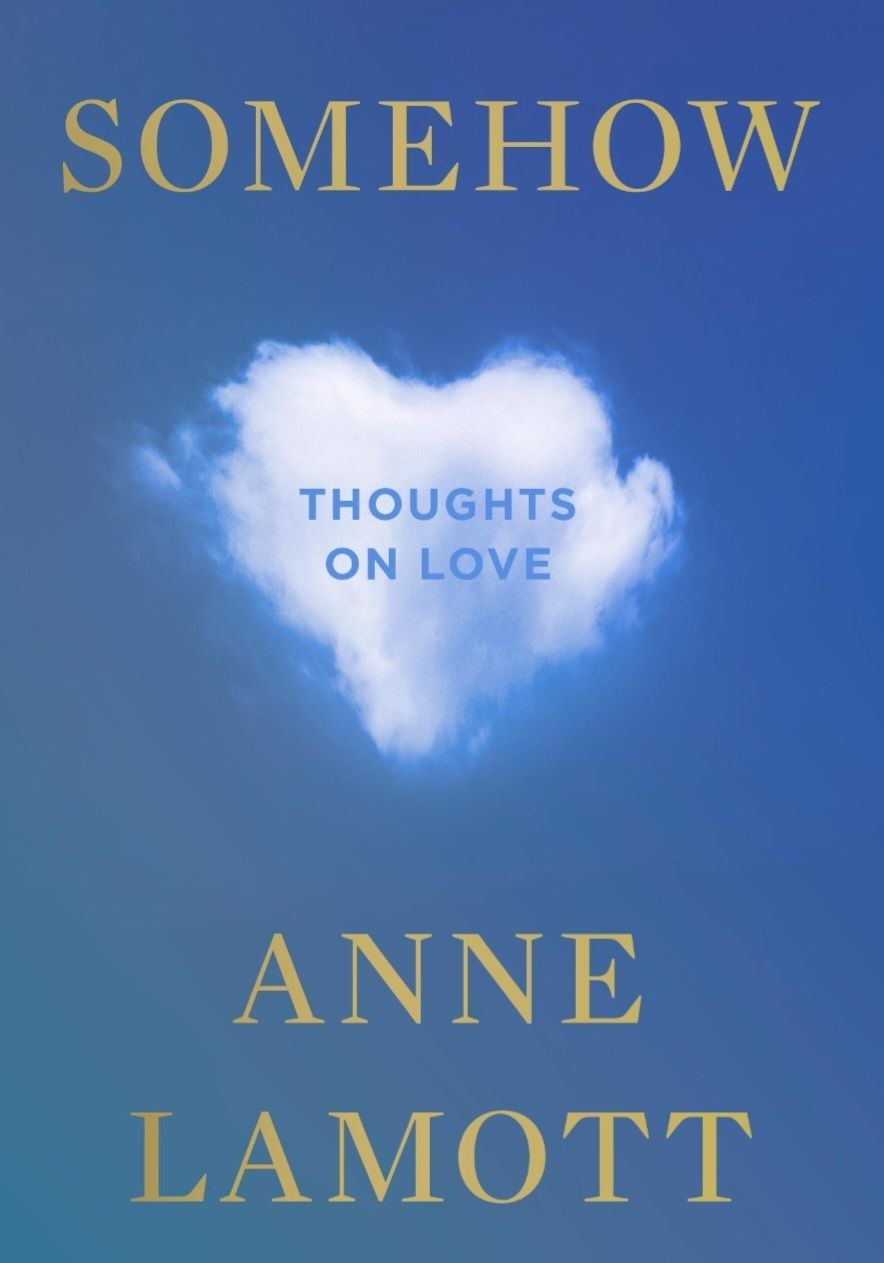
“The Dominican friar Timothy Radcliffe wrote that God can never tell you not to love someone. God can only tell you to do a better job loving someone. (God is somewhat better at this than I.)”
Author’s note: This is a discussion of how I personally did not thrive in my position, not a diatribe against the company I worked for. I’m just not a good fit for sales, y’all.
I’ve written in the past about my library job, which I have since left to try my hand at selling insurance. My motivation was that my husband, who’s partially blind and cannot drive, is employed there, and a major part of the job is being able to get to many places (managers emphasize that 25 a day should be the bare minimum) to meet people and attempt to sell them things. It’s possible to do it over the phone, but it gets far fewer results. So I convinced myself that I could do it too, despite being an introvert with painfully low self-esteem. Most things remind me of horror movies, but to me the health insurance game is a horrific one indeed.
*Caution: SPOILERS!!!*
5.) Saw VI
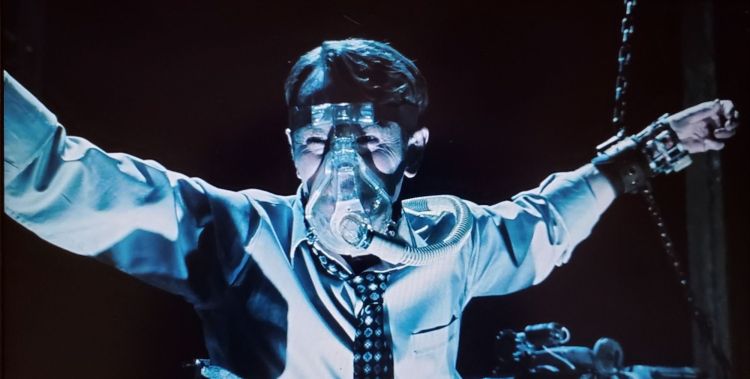
This one’s a no-brainer as to why it’s in my listicle; it prominently features Jigsaw victimizing the staff of a health insurance company. His major beef is with William, who denies his request for coverage of an experimental cancer treatment, which is IRL in full extent of the law (though the company I worked for is massively dedicated to prevention of and assistance with cancer and pays benefits for experimental treatments). But then William does cancel Jigsaw’s policy when he decides to get the treatment anyway (majorly illegal–believe it or not, insurance coverage is tightly regulated at the state and federal level, with a keen eye on what benefits the policyholder). This is my summary of Jigsaw’s conversation with William: Jigsaw: “I want an experimental cancer treatment that sort of has results.” William: “I’ve researched this treatment, and it’s questionable. In fact, a few movies later, you’re gonna find out it’s a hoax and then you’ll be really pissed. Also, your doctor Cary Elwes says you aren’t a good candidate.” Jigsaw: “Fuck that guy. I have money to pay for it, but I still want your company to cover it. It’s the principal of the thing.” William: “Did you not see my fish tank of piranhas? Symbolism!” Jigsaw: “Well, then my only recourse is to kidnap you and literally every other person who works in this office and torture them.”
The film occasionally makes an elegant point about how there should be more humanizing ways to decide who gets financial help when they’re sick than a remote corporation going purely on statistics, and to be fair, Jigsaw is also affronted about William turning down coverage for a man who made a mistake on his insurance application, effectively killing him. BUT its depiction of insurance agents as killers with blood on their hands, particularly William’s “Dog Pit”, a team of ruthless execs gleefully finding mistakes and loopholes in insurance claims, is way over the top.
4.) The Rite
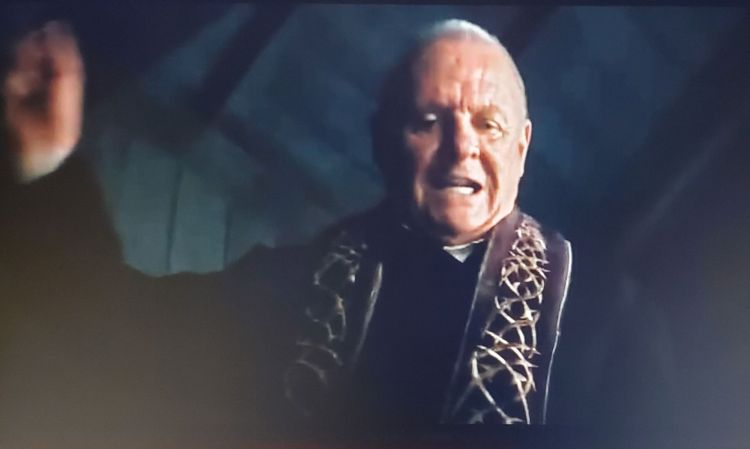
Michael is a seminary student on the verge of quitting because he’s lost his faith. His mentor suggests he spend two months in Rome at an exorcism class instead. He is introduced to Father Lucas, who does lots of exorcisms. Michael soon finds out that an exorcism is no quick procedure. It’s a slog. The parish priest must be consulted, all alternative explanations for wonky behavior must be exhausted, and the priest must forward his assessment to his bishop, and then with the bishop’s permission they can summon an exorcist to determine whether an exorcism is appropriate. And THEN, it still takes time. Lucas has a patient he meets with once or twice a week; he yells at her in Italian and she goes home. Lucas explains to Michael, “Spiritual liberation can take months, even years.” Michael replies, “So she’s still possessed?” “Yeah,” Lucas replies nonchalantly. He sees her a total of three times throughout the movie, and ultimately she dies still possessed. And then the demon possesses Lucas instead. (Fortunately, Michael has so much faith that he succeeds in driving out the demon in a few minutes, despite the work that the filmmakers had put in thus far to plant the idea that exorcisms take a long time and need to be done by experts.)
Selling insurance is also not a one-and-done. Here’s a summary of the general procedure: Start by making a list of potential businesses to visit. If the person who makes decisions about insurance coverage is present when you go, swell. But more often than not, that person is nowhere to be found, and the person you come across instead has been coached to be vague about what time or what day they’ll be in, so you have to come back. Provided you can ever catch the decision maker, you have to get them to agree to a sit-down meeting to discuss whether it makes sense for them to purchase insurance. They tend to be of the mindset that they should be getting insurance but have been putting it off as one more drain on their time and money, and are none too pleased to be reminded about the obligation. Or if their objection is that their employees wouldn’t want it, they do an informal poll, basically asking, “Hey, you guys want more money taken out of your paycheck?” It’s insulting because there’s a fuckton to know about what the policies actually entail, which is why I always wanted to coo, “Do you have a license in health insurance? Because IIIIIII do.” If you can get past all that, then there’s the employee presentation. After the employee presentation there is the enrollment meeting, in which the ideal result is that at least some of the employees want to get them some coverage. And after that, if all goes well, there is the post-enrollment meeting and heaps of paperwork. Which is repeated yearly.
3.) The Belko Experiment
In the movie, a branch of the Belko Corporation, home to eighty employees, is under siege one day by a voice commanding that two people die. The next order is that thirty people must die or sixty will be killed instead. The employees have been implanted with chips that will explode if those in charge are provoked. As one character says, when everyone is wondering whether the order to kill is a joke, “Oh, that’s great. Like I didn’t already feel trapped in this job.” The action is counterpointed by cheesy business slogans and in the final fight scene, a PowerPoint of more corporate gibberish. Even at the end, when the final character meets the person in charge, he can’t give a coherent answer for why the experiment is being done. The film as a whole is an indictment of the western workplace, people doing pointless busywork and hating their jobs.
Working for a large company, as I did, it’s easy to feel faceless. The job also felt hollow. Ostensibly I was helping people, when I could convince them that supplemental health insurance was a thing that they wanted, but it felt like a massive hustle for little or no reward. Again and again, I was told that it’s a numbers game, and if I just talked to enough people that eventually I would start making some strides. I did manage to open a couple of accounts, but not nearly enough to earn a living wage.
The earth is facing a socioeconomic crisis caused by invading aliens who pass for human. Their plot involves insidious subliminal messages such as “OBEY”, “NO INDEPENDENT THOUGHT”, “CONSUME”, and “BUY”. Money carries the message, “THIS IS YOUR GOD”. The aliens are able to come into power by manipulating people into being more materialistic; some humans are given a small measure of power in exchange for going along peaceably. Overall, the aliens’ plan for humans is to “Keep us asleep, keep us selfish, keep us sedated”.
In my experience, the culture in sales fosters a sense of greed, of a primal longing to advance. At least once a week we were chided by management for not making the sales that were expected of us and fed the statistics of the veteran sales associates to make us feel bad. The managers are expected to increase their sales every year, despite their workload already teetering on overwhelming. In addition to their quota, they’re expected to help the agents they manage with their quotas. Literally no amount of sales is ever enough.
1.) The Silence of the Lambs
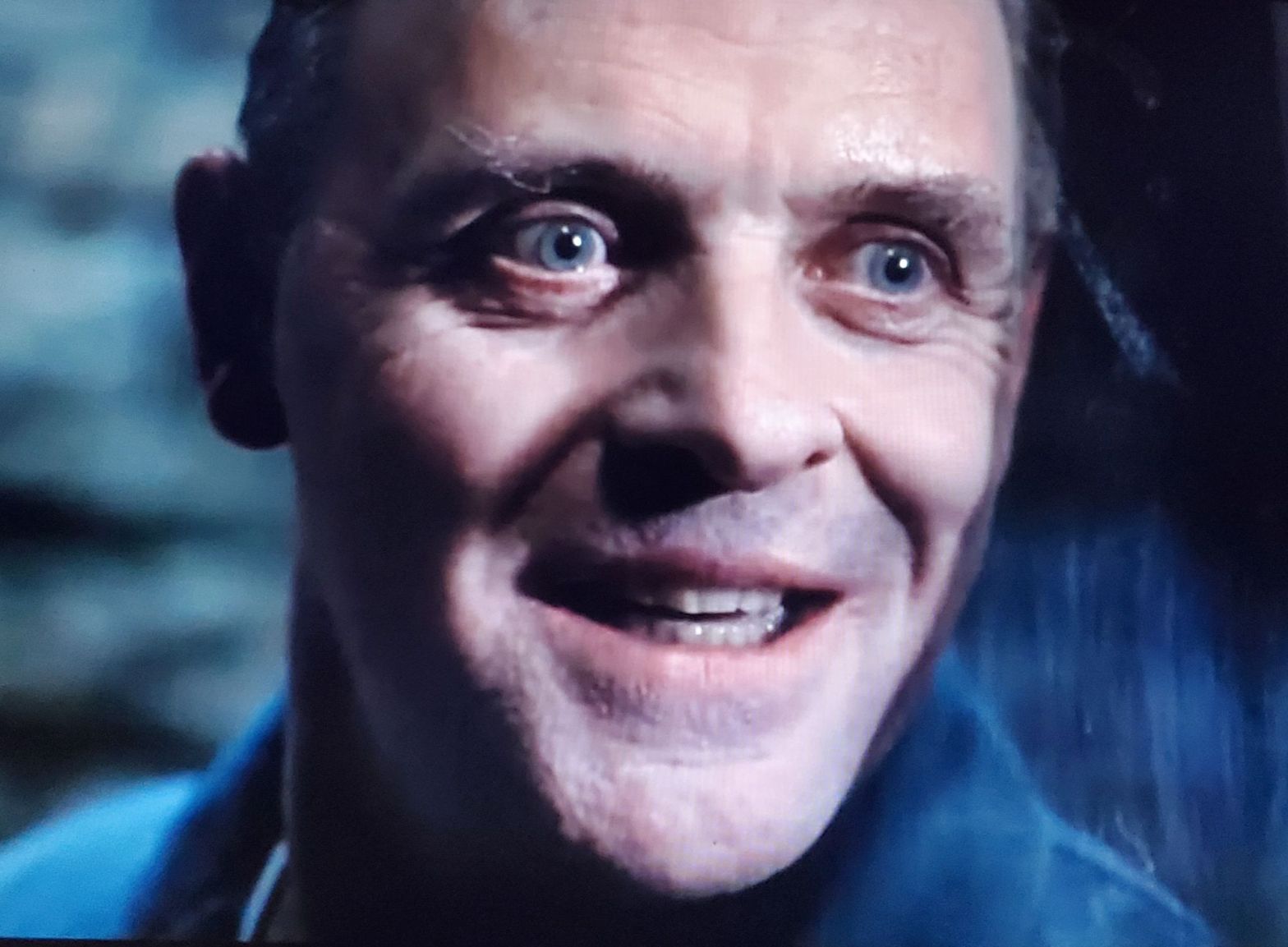
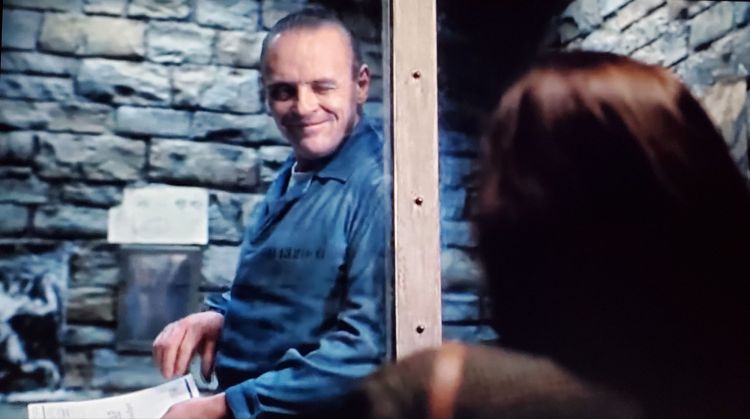
A big part of sales is establishing trust and rapport. Business owners, even those who own very small businesses, have various salespeople in their face all day, and they’re often not thrilled to see another one. In some places, I could tell they pegged me immediately as a sales rep, and they were having none of that. The trick is to get past their defenses and get them to like you, but I was really shitty at that, and I couldn’t help but think of Clarice Starling and Hannibal Lecter’s first meeting in The Silence of the Lambs. At the beginning of the movie, Starling, an FBI agent in training, is given an assignment to interview notorious serial killer Lecter and pump him for information about a new killer. He gives her a chance out of curiosity, but is ultimately quick to dismiss her:
Lecter: “Memory, Agent Starling, is what I have instead of a view.” Starling: “Well, perhaps you’d care to lend us your view on this questionnaire, sir” [Nervous laugh]. Lecter: “Oh no, no, no, no. You were doing fine. You were courteous and receptive to courtesy, you had established trust with the embarrassing truth about Miggs, and now this ham-handed segue into your questionnaire. It won’t do […] You’re so ambitious, aren’t you. You know what you look like to me, with your good bag and your cheap shoes? You look like a rube. A well-scrubbed, hustling rube. With a little taste.”
I didn’t even have a good bag or a little taste. I gave it five months full of mini panic attacks before work and extended ugly-cry sessions after work, but it did not in fact work, and I have conceded defeat. As of this writing, I am working in a warehouse (thankfully one that has decent benefits and pay) and trying to get back to the library, where I can give people things they want for free, the best damn job in the world.






 GhoulieJoe