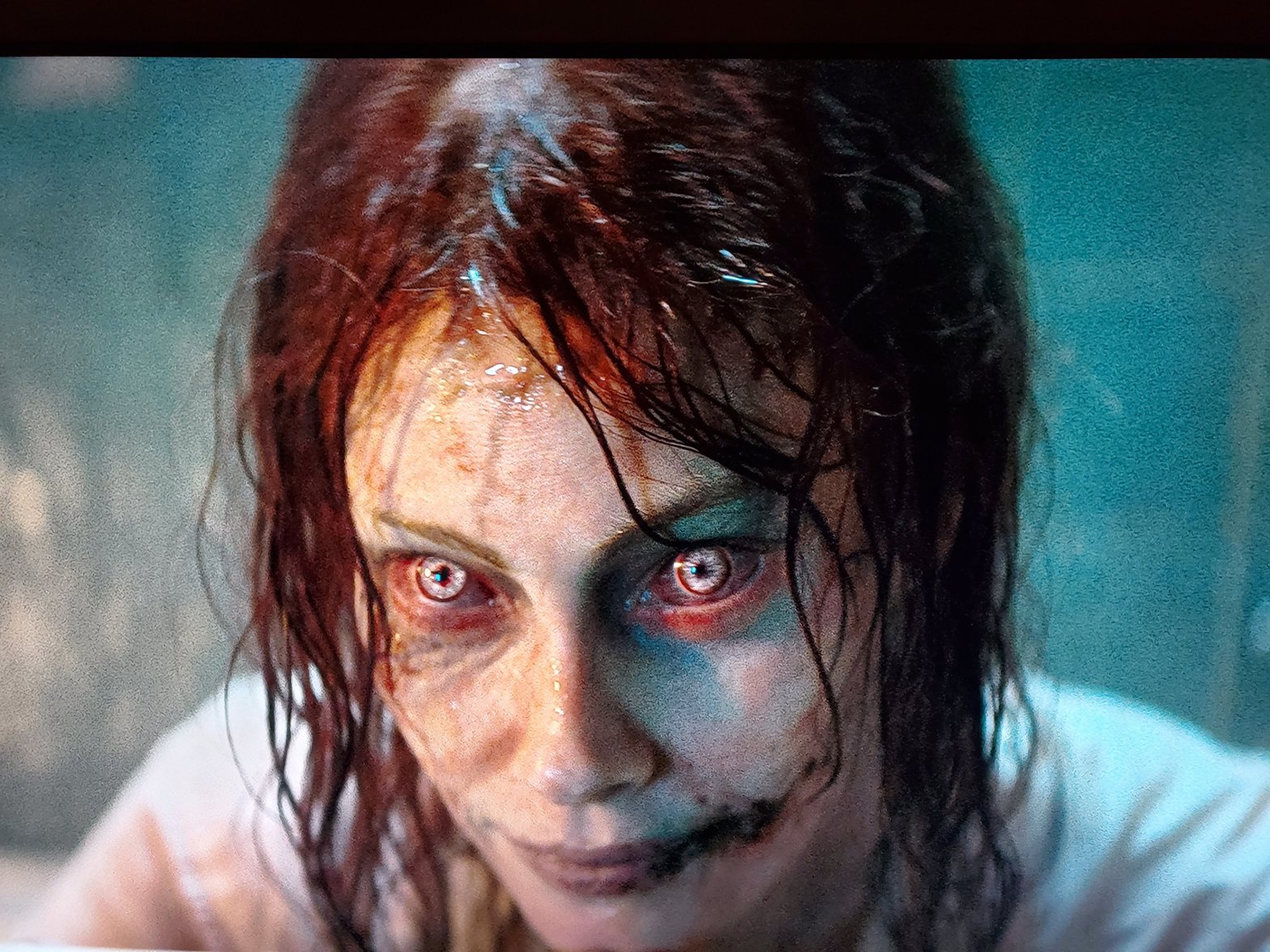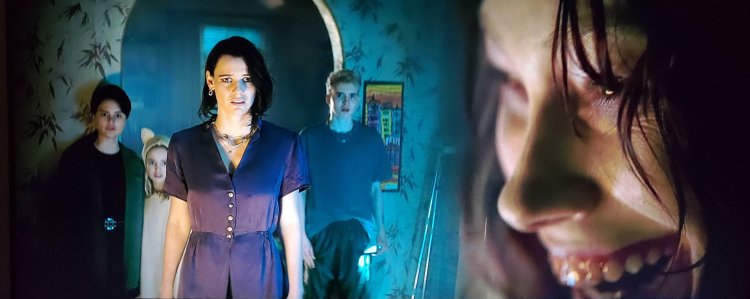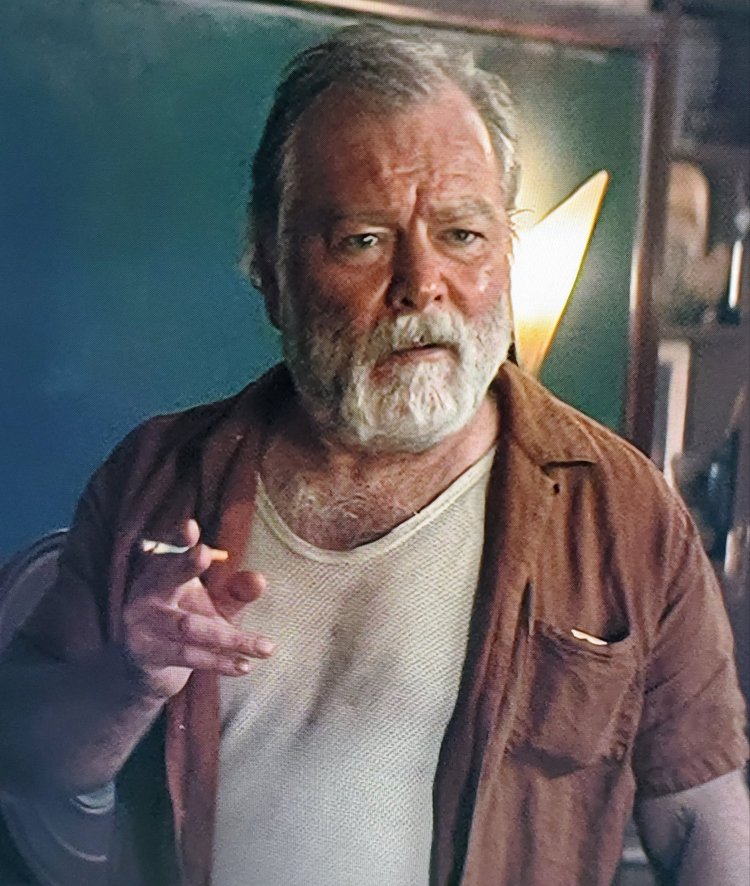
Top 25 Movie Quotes Part XXI

Ever seen the American Film Institute’s list of movie quotes? Let me sum up: of the hundred, about 25 are Casablanca and Gone with the Wind. Most of the rest are from the other golden oldies that are revered by the writers of film studies textbooks; they may be well-made, but they’re also very much a reminder of how discriminatory Hollywood was in terms of race, gender, and sexual orientation. Though I give big ups for including Jaws, Psycho, and The Sixth Sense, the AFI’s selections just don’t speak to me, and if you’re on this site, perhaps they don’t speak to you, either. Though many of the movies I quote from aren’t horror, they are all delightful (the quotes, not necessarily the movies). After trying and failing to narrow down my own list to a slim ten squared, here is part twenty-one. (And no, I had no idea how many of these I would write when I started in with the Roman numerals–I keep watching movies!) In no particular order:

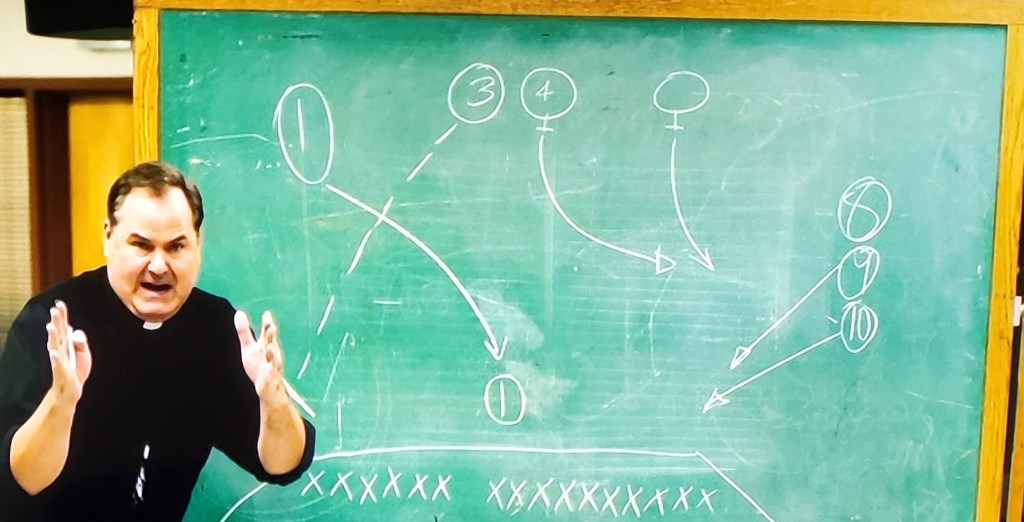
25.) Father Walther (Bob Stephenson), a high school football coach trying to fill in for the drama teacher: “Okay, guys. Now, look. Role one, right? You’re gonna run, kind of, a skinny post right up front. I want you to look straight at the audience, okay. Don’t be looking around and blabbing at anybody if they walk by ya. Eight, nine, ten. You’re coming in hard, right here. Cause these guys are gonna love it. Don’t talk amongst yourselves. Now, coming in slow, we’re singing. This is singing. Wide lines are singing. We’re singing. We’re singing. Danny’s not singing yet. He’s all alone. Singing. Eight, nine, ten–you come in hot! You come in hot!” (Lady Bird, 2017)
24.) Taneesha (Anika Noni Rose): “You killed my son.” Officer Penda (David Warshofsky): “Who the fuck are you?” Taneesha: “DeMarco.” Penda: “What?” Taneesha: “You remember him? Cause he remembers you.”  (Body Cam, 2020)

If you should be able to track this one down, it’s quite watchable. Mary J. Blige is a national treasure, and if you’re a Dexter fan, David Zayas again plays a cop

23.) Lily: (Odessa Young), addressing the contradictory ways women and girls are expected to behave in: “From the moment I arrived, all I was ever given was orders. Smile. Open up. Cross your legs. Spread your pussy. Speak softer. Scream louder. Be quiet. Be confident. Be interesting. Don’t be so difficult. Be strong. Don’t fight back. Be an angel. Be a whore. Be a princess.” (Assassination Nation, 2018)

22.) Cash (LaKeith Stanfield): “Baby, what are you asking me to do? Are you asking me to quit the fattest job I’ve ever had?” Detroit (Tessa Thompson): “But Cash, it is not fat. It is morally emaciated. You sell fucking slave labor, Cassius!” Cash: “What the fuck isn’t slave labor?” Detroit: “Oh my God! Sidestepping! You sidestep more than the fucking Temptations!” (Sorry to Bother You, 2018)

21.) [Hutch (Bob Odenkirk) is searching a tattoo parlor for a specific client and isn’t shy about promising a financial reward for information, which gets him mocked by the owner]: “There are three types of people who, as you say, flash cheese: people who don’t know any better, people who are seeking to intimidate, and people like me who wish with every fiber of their being that someone would try and take it from them.” (Nobody, 2021)

20.) Zak (Jack Lowden) [having already asked several questions] “Rock, Rock, Rock!” Dwayne Johnson: “Yes, Zak.” Zak: “What advice would you give us? If…If we wanna…” Saraya (Florence Pugh): “Win over the crowd.” Zak: “Win over the crowd. If we wanna…If we wanna be the next you.” Dwayne Johnson: “What are your names again?” Zak: “My name is–” Dwayne Johnson: “It doesn’t matter what your names are. You walk around here interrupting The Rock. You [to Saraya], like you haven’t seen the sun in 20 years. You [to Zak], like you just stepped out of Oliver Twist. [Fake British accent] Please, sir, may I have some more advice, sir? You want some advice? Here’s The Rock’s advice. Shut your mouth! What you want? What you want? How about what The Rock wants? The Rock wants you to go out there, take no prisoners, have no regrets, have no fear. Lay it all out on the line. Because if you don’t do that, The Rock is gonna find your friend Mary Poppins. He’s gonna take her umbrella. Yeah, he’s gonna shine it up real nice. He’s gonna turn that sumbitch sideways and stick it straight up your candy asses! There’s your advice! Straight out of the Jabroni-beating, pie-eating, trailblazing, eyebrow-raising, entertaining the globe, never hotter, talking to two rejects from Harry Potter! [Cheerfully] So that’s how you win over the crowd.” Zak: “Yeah.” Dwayne Johnson: “Even though this crazy wrestling world is a fictionalized world, the fans know 1,000% if you’re not being real. All right? That guy just now, that was The Rock. The Rock is me, Dwayne Johnson, just with the volume turned way up. The treble adjusted, the bass. Same guy. So don’t worry about being the next me. Be the first you.” (Fighting with my Family, 2019)

19.) [Callie has just found out Will’s (Danielle Macdonald) mother is a former pageant miss and has mentioned coming over to pick her brain] “Well, unfortunately, my mom’s not home all that much. She’s either at pageant meetings or at the nursing home wiping old peoples’ butts. It’s what happens to a lot of ex-beauty queens.” (Dumplin’, 2018)

18.) Max (Meagan Good): “Who’s your best friend?” Amy (Sara Foster): “You are my best friend.” Max: And what did I say to you the very first day at the academy?” Amy: ” ‘That’s my bunk, bitch.’ ” Max: “After that.” (D.E.B.S., 2004)

Love love love this scene

17.) Tim (Domhnall Gleason): “So, what do you do?” Mary (Rachel McAdams): “I’m a reader, at a publisher.” Tim: “No! You read for a living?” Mary: “Yes, that’s it. I read.” Tim: “Oh, that’s so great. It’s like someone asking, ‘What do you do for a living?’ ‘Well, I breathe. I’m a breather, I get paid for breathing.’ How did you get that job?” Mary: “Okay, smart-ass, what do you do?” Tim: “I am a lawyer. Sort of. Sort of.” Mary: “That’s sexy.” Tim: “Is it?” Mary: “I mean, I think so. In a suit, in a court, saving peoples’ lives. Kinda sexy.” Tim: “I guess it is. Although it’s not as sexy as reading. Sitting there in an office, in a little chair reading.” Mary: “Okay, okay, stop, stop.” Tim: “Ooh!” Mary: “Just wait right there, mister, because a lot of books get submitted to my publisher. So it’s an immense responsibility.” Tim: “I bet it is. But when you do normal reading, is it ruined because it’s your job? You know, like prostitutes? I always worry that when they stop being prostitutes that they can’t enjoy sex anymore.” Mary: “You always worry about that?” Tim: “No, no. I sometimes worry about it.” Mary: “Oh, good. Okay, because someone who always worried about that would be a bit of a worry.” Tim: “When you read a newspaper, do you think, ‘Forget this, it’s work?’ ” Mary: “Have you interviewed a lot of prostitutes?” Tim: “When you read a menu, do you think, ‘No, I’m not reading this unless you pay me hard cash?’ ” Mary: “How many prostitutes will you need to talk to before this issue is resolved?” (About Time, 2013)

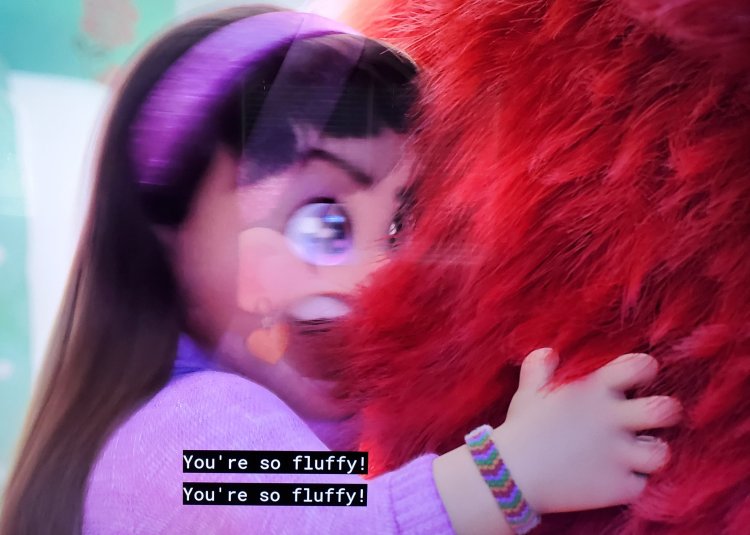
16.) Abby (Hyein Park), losing her mind after finding out her friend can transform into a large red panda: “You’re so fluffy! You’re so fluffy!” (Turning Red, 2022)
15.) Liz (Lily Collins), confronting former boyfriend Ted Bundy (Zac Efron) with a picture of his decapitated murder victim: “It took me over a decade to look at this photo. What happened to her head?” Bundy: “If she was deposited in the woods, then animals could’ve conceivably done something like–” Liz: “Animals don’t do that.” (Extremely Wicked, Shockingly Evil and Vile, 2019)

14.) Eva (Jennifer Beals), to the mad scientist who assembled her from corpses: “You can do what you like! You can take apart the body you put together, you can take away the life you gave me, but you cannot have me. Not ever. Not even if you murder me and raise me up a thousand thousand times, you cannot have me.” (The Bride, 1985)

Not that scene, but this movie is somehow pretty obscure

13.) Rhodora, an art gallery owner (Rene Russo): “We don’t sell durable goods, we peddle perception. Thin as a bubble.” (Velvet Buzzsaw, 2019)
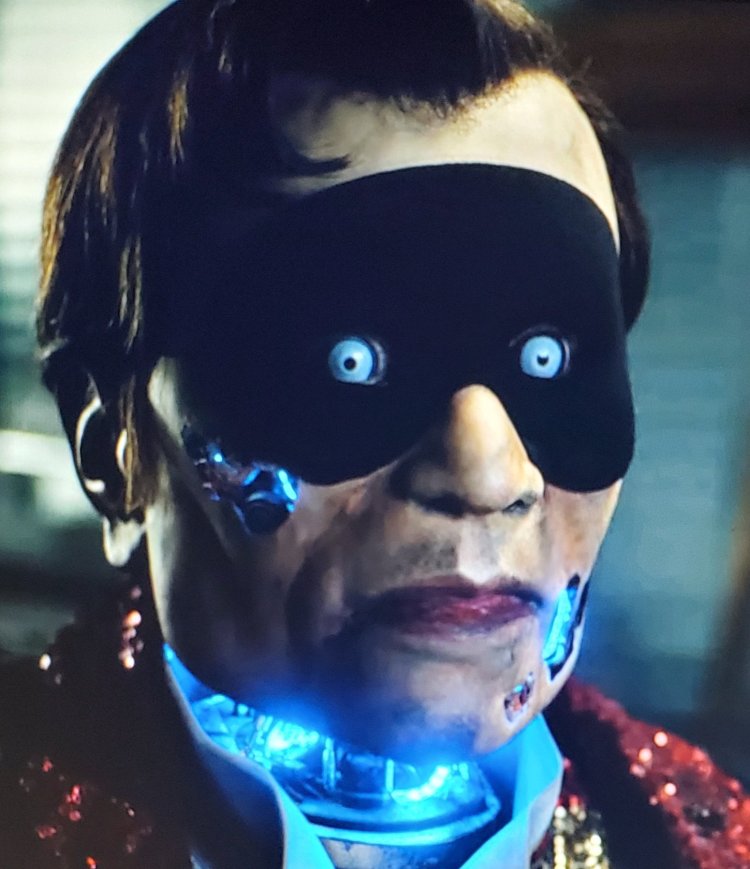
My perception is…ewwwwwwww.

12.) Dougy (Bill Nunn): “Couldn’t we lay the soul to rest if we decomposed the body with holy water, then cut out the heart while it’s still beating and bury it beneath hallowed ground?” K (Kadeem Hardison): “That’s, that’s some freaky shit! We ain’t gotta do all of that, man. Do we have to do all that?” (Def by Temptation, 1990)

Yes, Samuel L. Jackson is in it–get a good look, because this is about how long he’s in it, despite prominent billing.

11.) [Being shot at] Audrey (Jennifer Aniston): “Jesus! Oh my God! It’s just like Death at the Library!” Nick (Adam Sandler): “What happens in Death at a Library?” Audrey: “They died. That’s why it’s called Death at the Library.” (Murder Mystery, 2019)
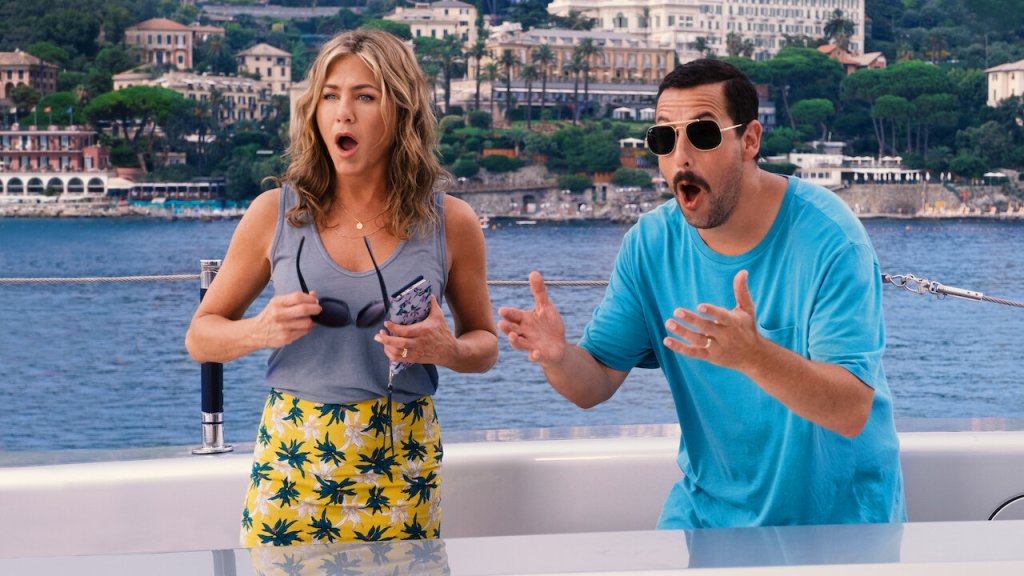
Aw, it’s not bad for an Adam-Sandler-wants-to-go-on-vacation movie

10.) Buster (Tim Blake Nelson), responding to the bartender who tells him that liquor is for outlaws only: “Well, don’t let my white duds and pleasant demeanor fool ya. I too have been known to violate the statutes of man, and not a few of the laws of the Almighty.” (The Ballad of Buster Scruggs, 2018)

9.) Pinocchio (Gregory Mann), singing about how delightful inanimate objects are now that he’s sentient: “What do you call it, call it?” Gepetto (David Bradley): “A chamber pot.” Pinocchio: “What to do with it, with it?” Gepetto: “Well, you put it, um…” Pinocchio: “On my head?” Gepetto: “No, under the bed!” (Guillermo del Toro’s Pinocchio, 2022) *note: the version of this song on Spotify, which is what I quoted, varies from this clip from the movie*

Runner-up quote: Pinocchio: “Look! I’m on fire! Yay!”

It’s as horrifying as it is horrifying. Nah, it kinda grew on me after a while.

8.) Polly (Jill Wagner), to the victim of an agonizing, flesh-mutating virus: “It’s okay. It’s okay. We’re cutting your arm off.” (Splinter, 2008)

7.) Joe (Jamie Foxx), trying to convince 22 (Tina Fey) to find a career to be excited about: “How about a librarian? They’re cool.” 22: “Yes, amazing. Who wouldn’t like working at a thankless job you’re always in danger of losing due to budget cuts? Though I do like the idea of randomly shushing people.” Joe: “Look, obviously this–” 22: “Shh! Oh, yeah, that’s good.” (Soul, 2020)

Can’t find a clip of that scene, so how bout some Angela Bassett?

6.) McKayla (Alexandra Shipp), after a character’s foot gets caught in a chain and she is lowered headfirst into a saw: “That is some serious Final Destination shit.” (Tragedy Girls, 2017)

5.) Wolf (Sam Rockwell): “Seriously, though, you don’t like cake? Name one food better than cake.” Snake (Marc Maron): “Guinea pig.” Wolf: “Oh, again with the guinea pig.” (The Bad Guys, 2022)

4.) Darby (Michael Stuhlbarg), a hermit whom everyone greets with “Thought you was dead”, to a character pulling a scam that involves faking his own death: “Thought you was dead.” (Cut Bank, 2014)
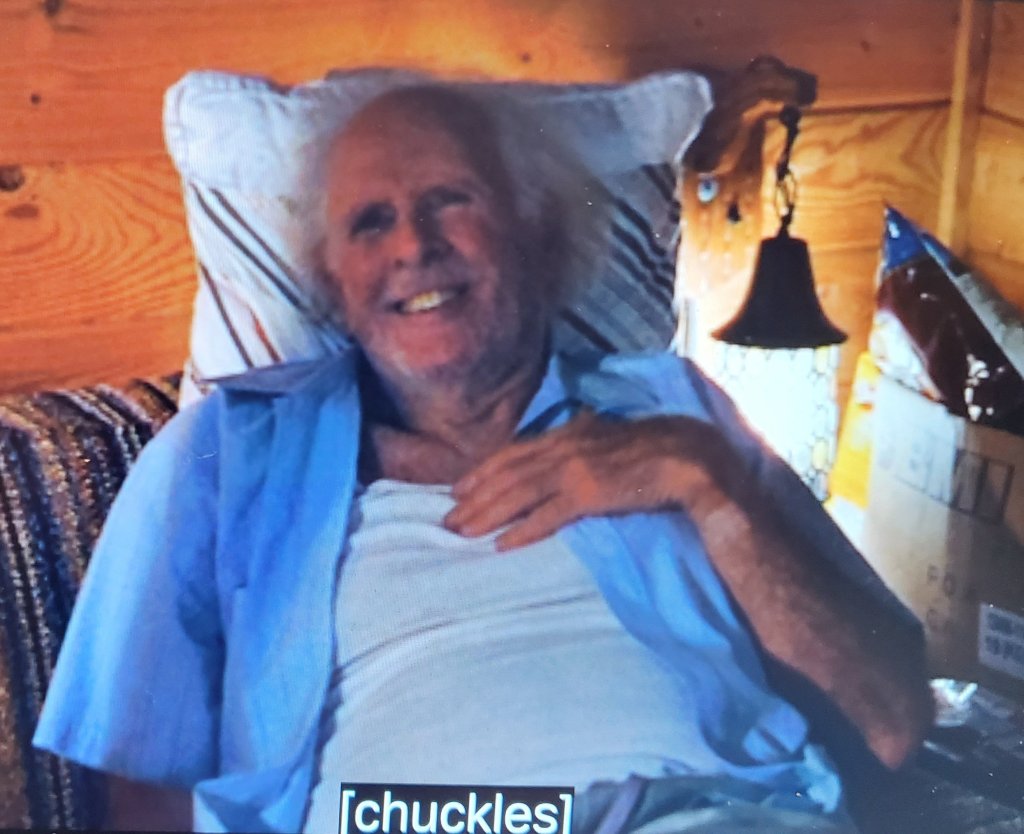
Forgive both the spoiler and the crappy pic I took of my laptop, but that expression is priceless

3.) Blanc (Daniel Craig), to Kareem Abdul-Jabbar, Angela Lansbury, Stephen Sondheim, and Natasha Lyonne, whom he’s been playing Among Us with online, in his bathtub: “Look, I appreciate what ya’ll are trying to do for me here.” Abdul-Jabbar: “We’re worried about you, buddy. Lockdown hasn’t been easy for any of us. But Phillip told me you haven’t left the bath for a week.” Blanc: “Oh, that’s hyperbole.” [Knock on front door] Blanc, to his husband: “Get that, would ya?” Phillip (Hugh Grant): “You’re not in the bath again, are you?” Blanc [hesitates] “No!” (Glass Onion, 2022)
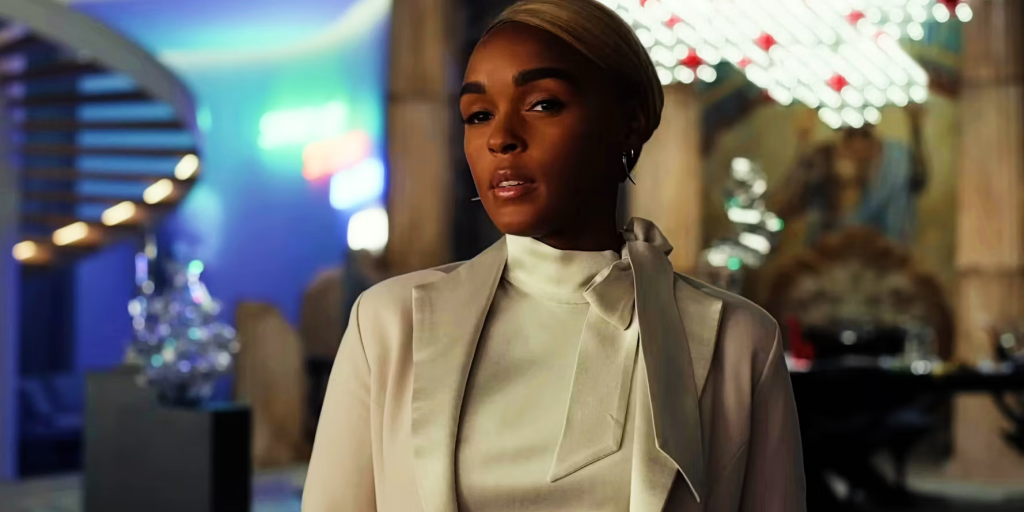
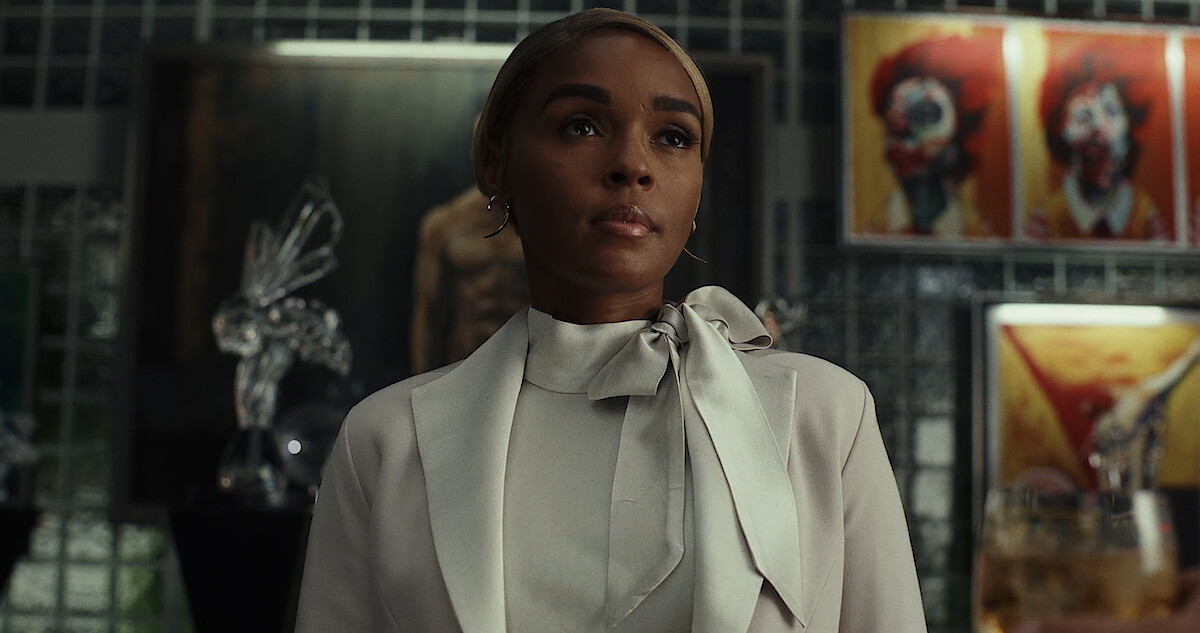
Also, Janelle Monáe, because, damn.

2.) Clare (Ruth Negga): “Oh, I don’t expect you to understand. You’re happy. You have a true, good life, and you’re free. Free and safe. Safe. I don’t even know what that is anymore.” Irene (Tessa Thompson): “I’m beginning to believe that no one is ever completely happy, free, or safe.” (Passing, 2021)

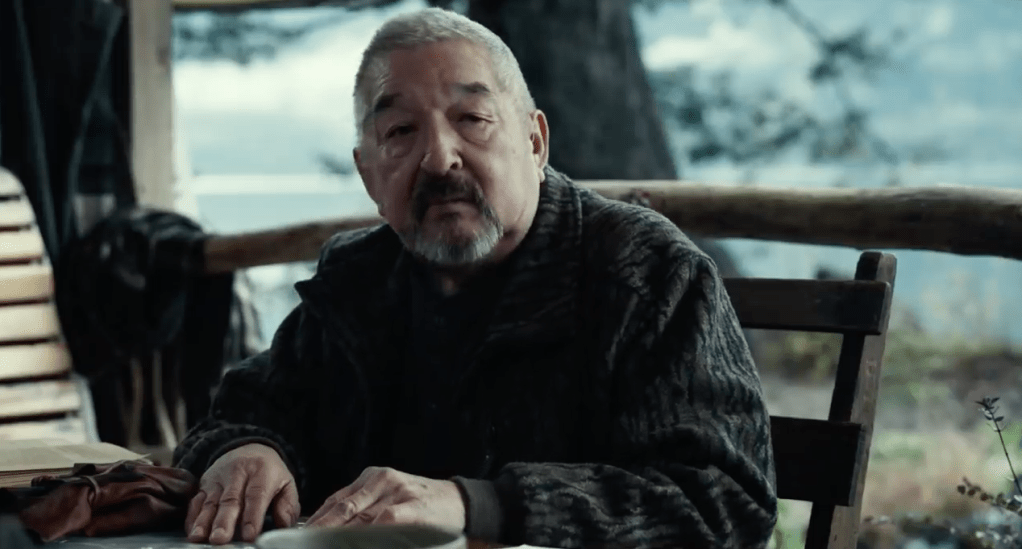
1.) Sheriff Stokes (Graham Greene), discussing a demon on the loose that’s also an allegory for capitalism and destruction of the natural world: “It’s the wendigo. Translates to a diabolical wickedness that devours mankind. According to legend, during a brutally cold winter, a lost hunter’s severe hunger drove him to cannibalism. And after feasting on human flesh he became crazed and transformed into an amorphous spirit that could take many forms, and roamed the forest for fresh victims. His insatiable appetite was never satisfied.” Paul (Jesse Plemons) [chuckling]: “Excuse me. This is a myth you’re talking about.” Stokes: [Scoffs] “For you, yeah.” (Antlers, 2021)
Author’s note: I have extensively relied on IMDb for help, both with dates and with some of the quotes.
‘Five Nights at Freddy’s’: Prepare for Disappointment

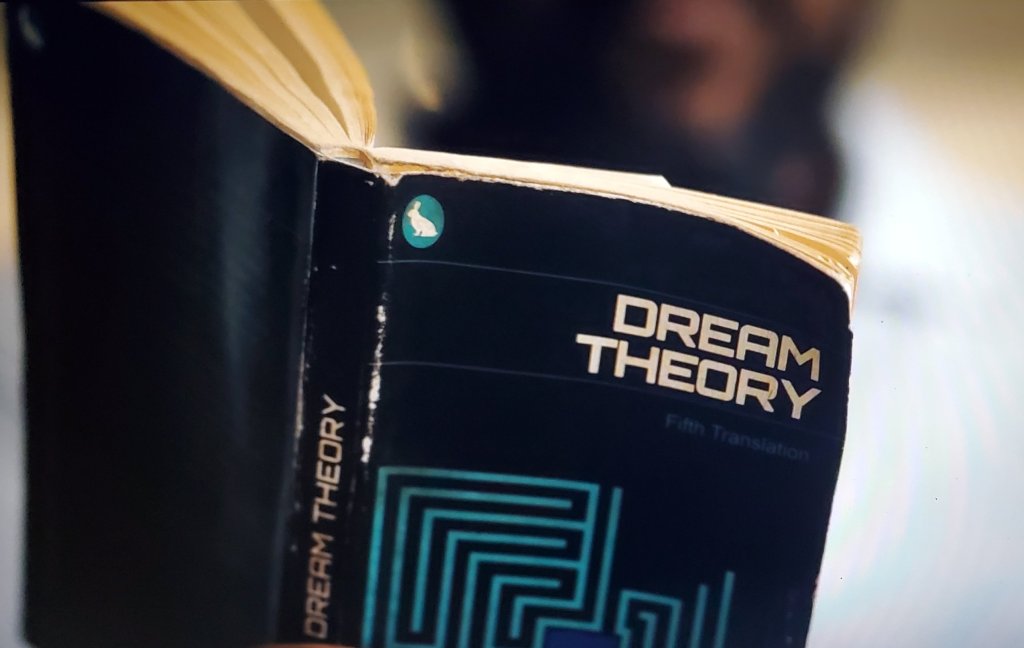
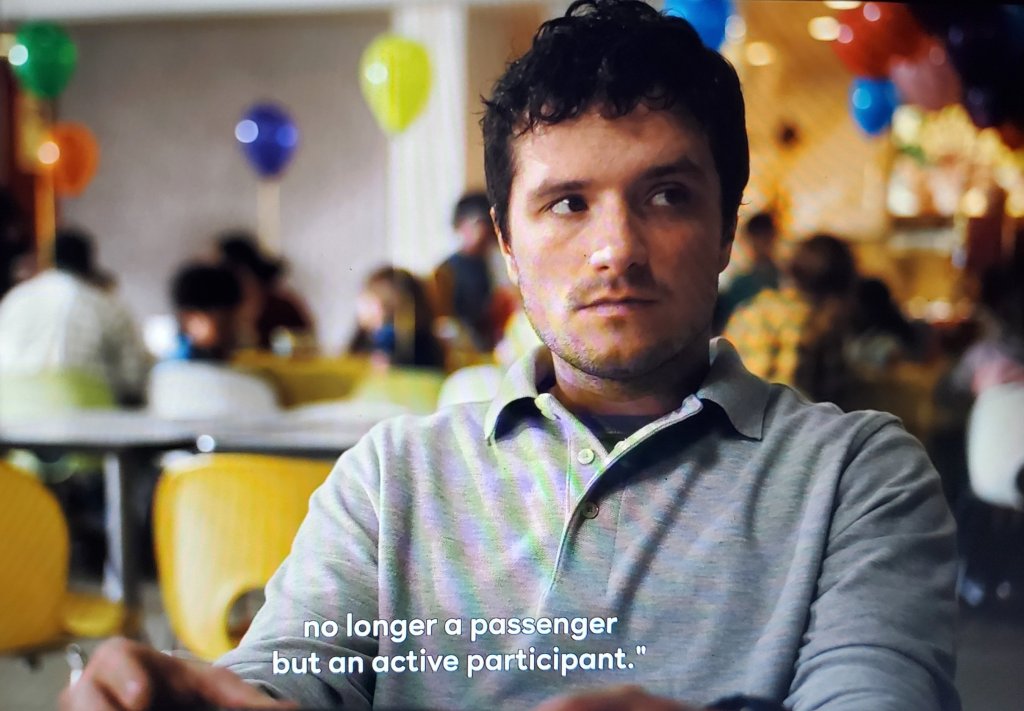
Mike (Josh Hutcherson) is a loner in desperate need of a job, seeing as he got into trouble at his last post for mercilessly pummeling a dude he thought was kidnapping a kid. (He’s obsessed with finding his little brother, who was kidnapped, by lucid dreaming about the incident as often as possible.) His mean aunt Jane (Mary Stuart Masterson) is trying to take custody of his little sister Abby (Piper Rubio). A not-at-all-weird-and-suspicious career counselor (Matthew Lillard) advises him to work at Freddy Fazbear’s Pizza (if you’re unfamiliar with the video games the movie is based on, think Chuck E. Cheese’s) as a night security guard. Little does Mike know that the animatronic animals that used to delight easily entertained children are haunted by kids who were shoved in the suits after being murdered in order to hide them from the police. And never decomposed and stank up the place, I guess. Unfortunately, the kid\ghost\anthropomorphic mammals are lonely and set their sights on Abby. Can Mike and his new pal, not-at-all-creepy-and-suspicious Vanessa (Elizabeth Lail), save her?

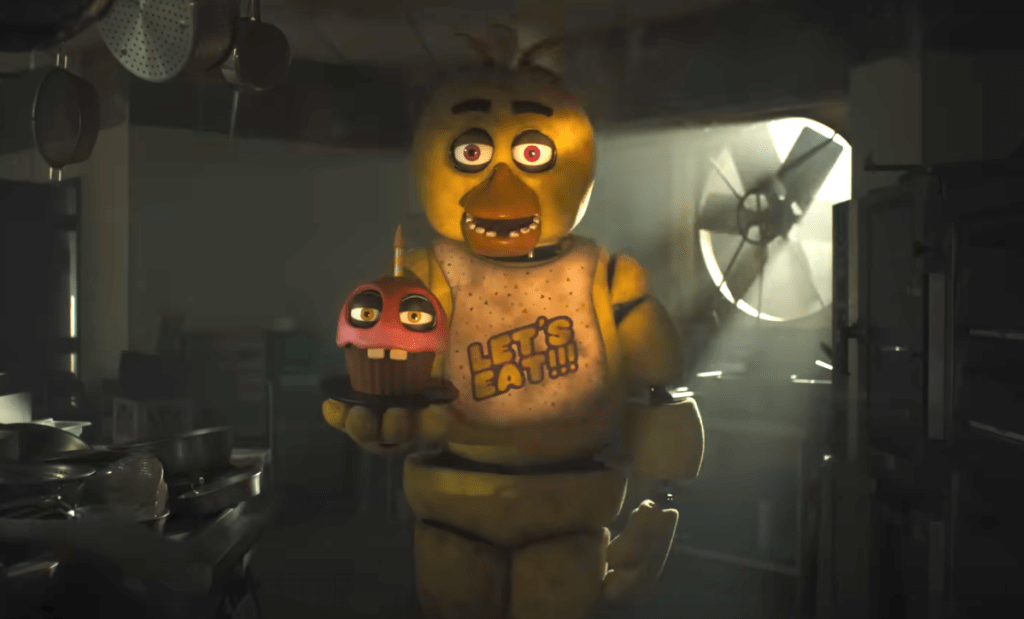
No, Chica, don’t spoil her dinner!

I have fewer compliments than gripes, but I do have to admit there are some neat camera techniques, like a scene when a sentient cupcake launches itself at a victim, which match cuts to a pre-victim hucking a hard object at a glass display case. I admire how the filmmakers went with human-controlled puppets (by Jim Henson’s Creature Shop, no less) rather than CGI. There’s an adorable cameo by Matthew Patrick, spouting his catchphrase. It’s kinda shoehorned in there, but I love me some MatPat. The performances are acceptable for the most part, with particular standouts being Rubio and Grant Feely as the evilest ghost kid. There’s actually a minimum of scenes where the main character wanders slowly in the dark investigating a noise. Not none, but it’s not half the runtime. (Instead we get way too many sequences of Mike begging the ghost kids in dreamland for information about his brother.) You can spot a cute little theme of the importance of being in charge of your life, rather than sleepwalking through and taking anything you’re handed.

It’s just not scary. There was one scene that at first I thought was pretty eerie, but the next day it hit me that it really mirrors a similar scene in Saw. (Speaking of which, the pizzeria is home to a torture chair that victims are strapped into and it buzzes off their faces, which begs the question, what the fuck kind of goodtimery establishment is this? Who ordered the torture chair?) As can be expected for a PG-13 movie, ancillary characters pop up left and right to sacrifice themselves, but much of the violence is implied rather than shown outright. The jump scares are predictable and underwhelming. The scene when Mike, Abby, Vanessa, and the robots build a blanket fort made me nauseated.

This is Jane’s lawyer, the scariest character in the movie

My knowledge of Freddy lore is far surpassed by that of my two oldest children, but even I know that much was changed from the game, which will no doubt piss people off. I’m not a hardcore fan, but I remember how upset I was at the 2000 X-Men movie (we waited sooooo long for it, and it was not faithful whatsoever to the comics!!!!!!), so I feel their pain.

This is how the game looks, by the way

It seems very much too long. For a movie aimed directly at young people, there is an unprecedented amount of angst and character development. It’s also not terribly original. Aside from Saw, it especially brings to mind The Ring, with the shadow-eyed kid being friends with the ghosts and forever drawing their likeness, as well as A Nightmare on Elm Street, with Mike getting cut in his dream and waking up with the same injuries in real life. I also have loads of questions: There are no pictures of Abby in the house, only Mike and his missing brother, suggesting that no one in the family ever got over his disappearance, so where did Abby even come from? Why does a character who is looking for her brother start chasing a rando kid? Does the not-at-all-creepy-and-suspicious career counselor spend all of his totally not-creepy-and-suspicious time as a real career counselor?

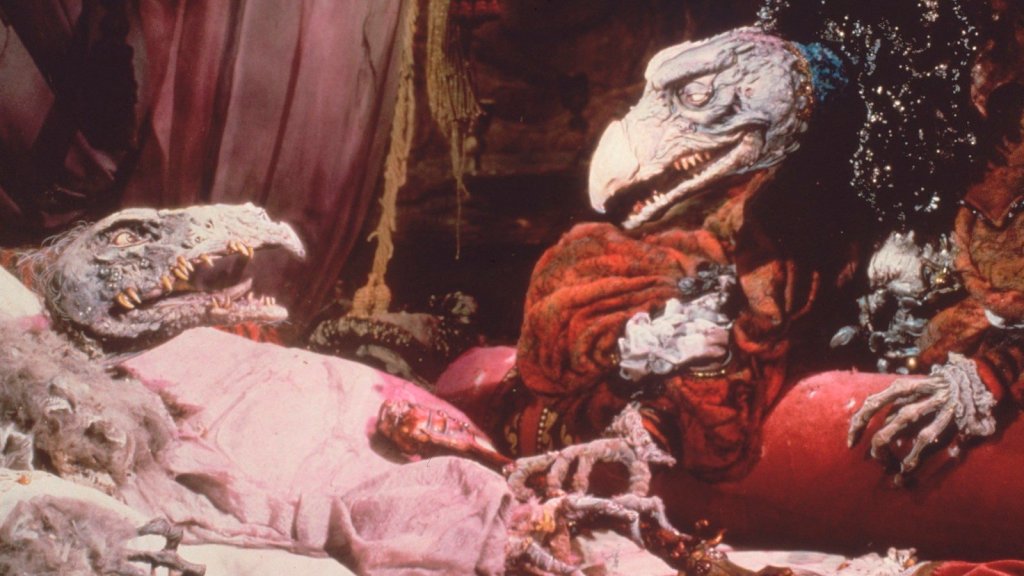
It’s a rare film that I would say just don’t see, and this is not one of those. Buuuut when you’re done: If you want gore, watch Saw, if you want humor, try the vastly superior Willy’s Wonderland, and if you want terrifying puppets that do more than act slightly menacing (oh noes, they’re narrowing their eyes again!), how about The Dark Crystal?

Those are some creepy goddamn puppets!

Real Fear Part Two: Pregnancy Gone Wrong

*Author’s note: In the process of analyzing films, I let loose major spoilers.*  

Childbirth and pregnancy are by nature nerve-wracking, agonizing experiences. “It takes a lot of pushing and stretching to move a baby the size of a melon through a cervical opening the size of a kidney bean” (Sears, et al, p. 291). Even cesarean sections involve ironically painful injections of anesthetic. Multiple horror films explore monstrous babies and by association the horrors of being pregnant: The Fly (the baby is a giant maggot), The Unborn (possessed by an evil spirit), Dawn of the Dead (a zombie), The Astronaut’s Wife (an alien). In It’s Alive the baby leaves the womb and immediately kills the hospital staff that delivered it, leaving its mother crying, “What’s wrong with my baby?” It’s way too easy to get wrapped up in the fears of something bad happening.

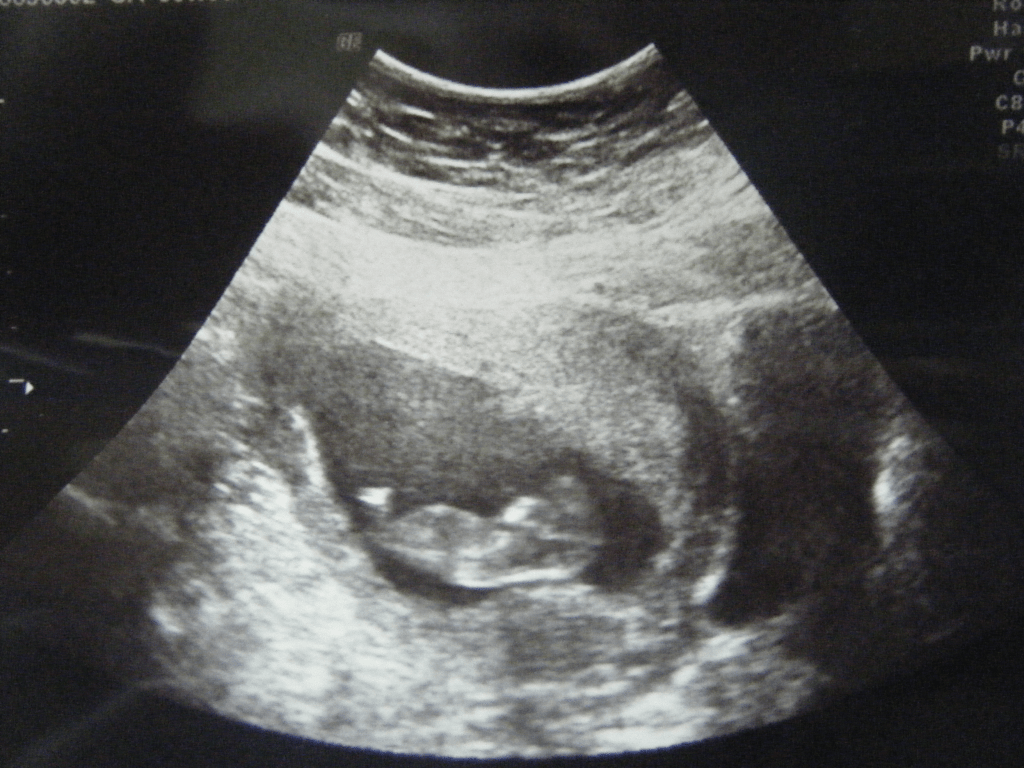
Pregnant women have multiple worries, aggravated by the unreachability of the baby—the closest they can get are glimpses during an ultrasound or a few seconds of listening to a heartbeat, and both require medical personnel to interpret whether they’re normal. Not to mention the weird sensations that accompany pregnancy (especially for a first-time mother), unsure if she’s feeling a kick or only indigestion. (As a fetus, my brother used to stretch his little limbs so hard that he left external bruises on our mother’s stomach.) Pregnancy actually sounds like a horror movie, when you think about it: a small organism attaches itself to someone and feeds on her through her bloodstream. It might make her crave or loathe food, it will probably make her nauseated all day long, and it will definitely distend her stomach to the size of a basketball. Eventually it will either tear its way out or will have to be cut out. It’s basically the chest-burster scene in Alien. Horror films about pregnancy and childbirth often use both of these concepts: the alien nature of the situation, and the uncertainty and anxiety that go along with the process.  

My daughter Layla’s ultrasound–yup, that’s a healthy baby/Gummy Bear

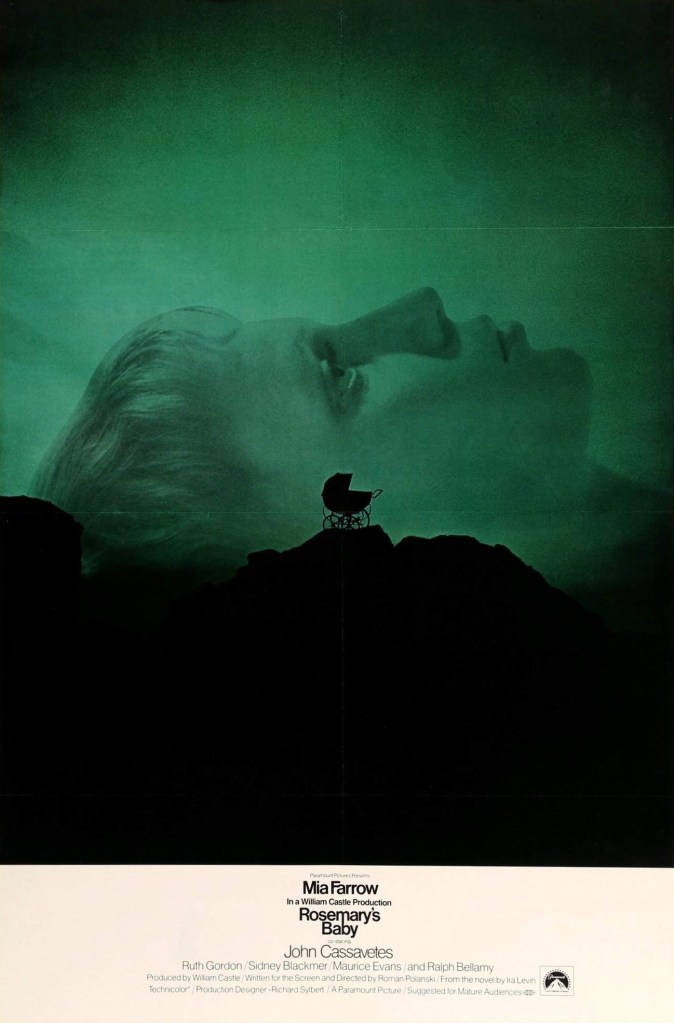
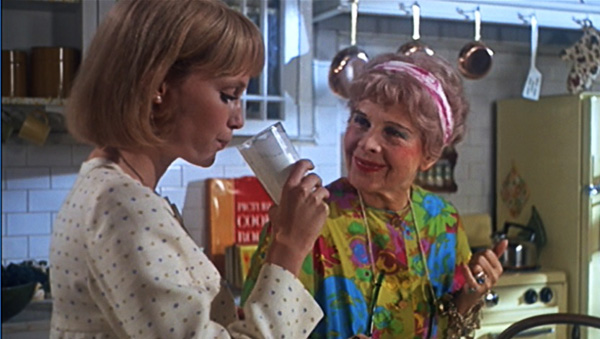
Rosemary’s Baby illustrates this struggle in the frame of an inhuman baby. Rosemary and her husband Guy unwittingly move into an apartment house that’s home to a cult dedicated to bringing about the birth of the antichrist. Guy, having been promised a lucrative acting career, doesn’t hesitate before selling out Rosemary’s body. He’s a master of manipulation from the beginning, duping her into eating a drugged mousse that tastes weird by catering to her urges to please people. While still partially conscious, she’s raped by Satan and impregnated. Afterwards, she’s surrounded by people who claim to be on her side but are really just in it for themselves. She’s pressured into doing what’s supposedly best for the baby, like when cult leader Mrs. Castevet practically force feeds Rosemary a drink that she hates. (Then again, her instincts tell her to eat raw meat, so maybe she’s better off with the drink after all.)
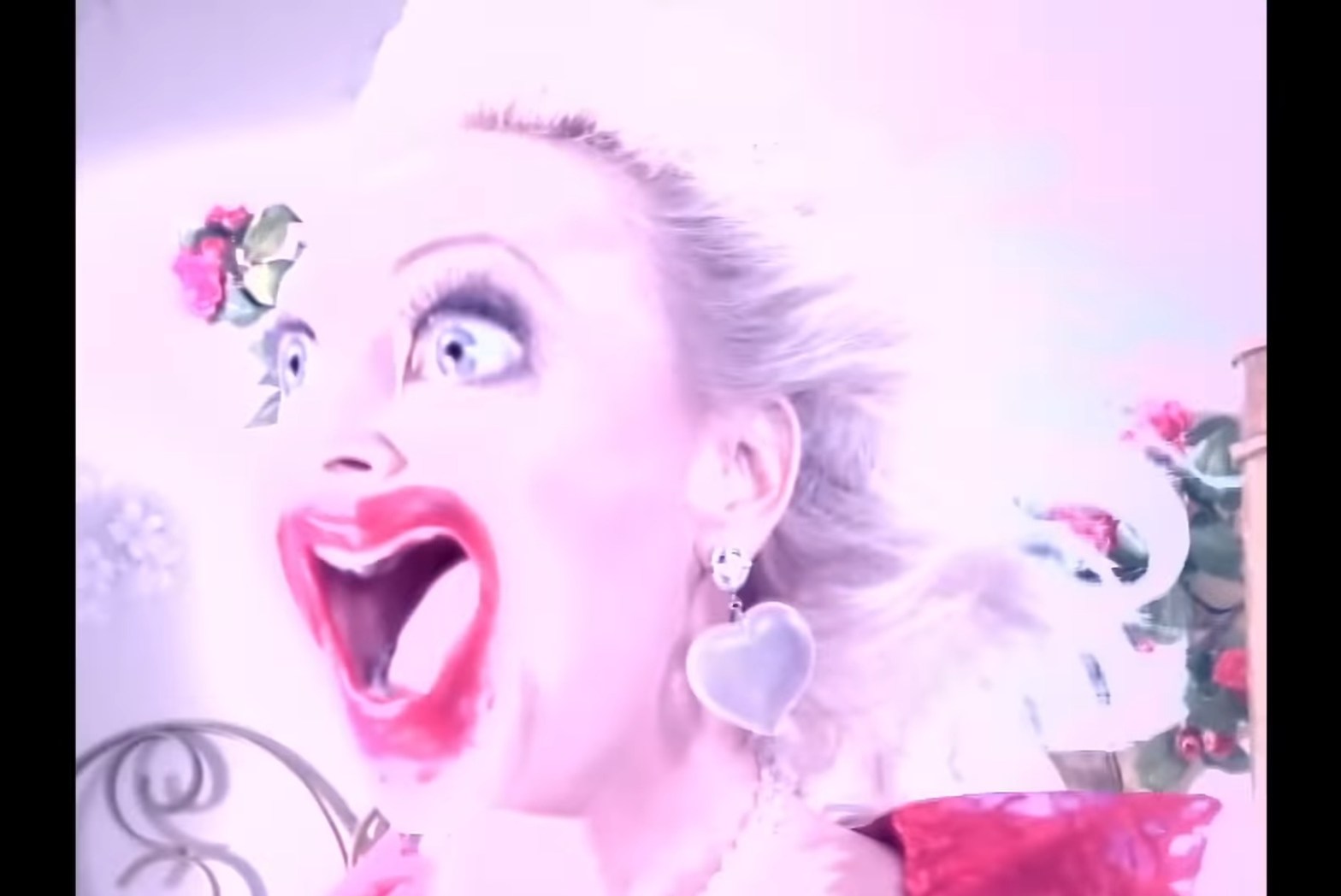
“Yum. It’s rich in Satanly goodness.”

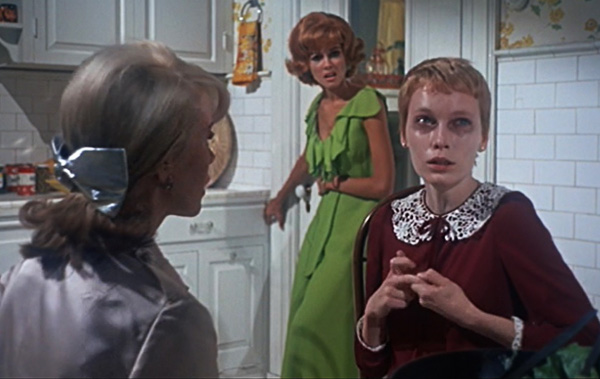
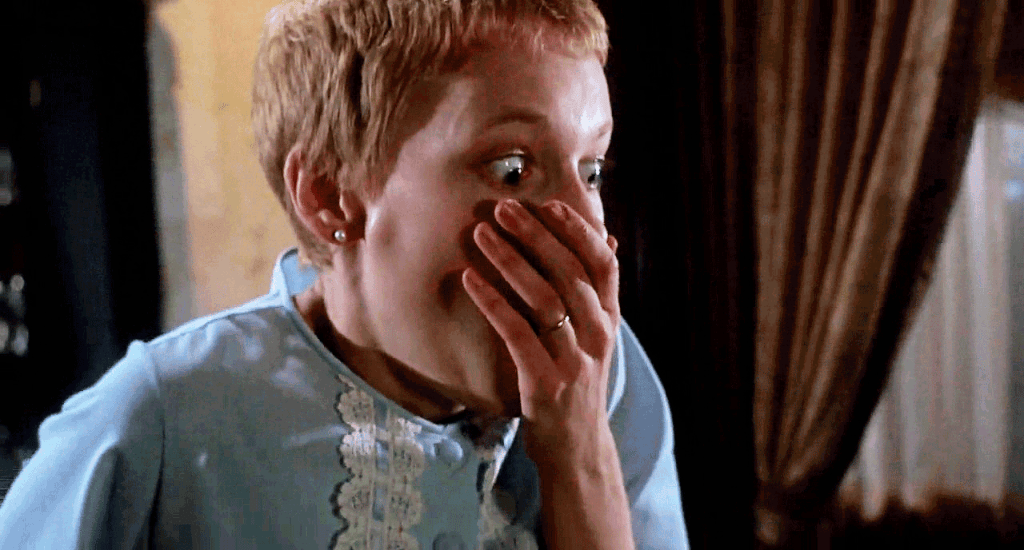
They tell her how she should act and even how to feel. She has sharp pains, and is miserable, but her doctor, who’s in the cult–his first words to her being not to read books or listen to her friends–convinces her that it’s normal. She looks pale and exhausted, with dark circles under her eyes, and she’s losing rather than gaining weight. At times, she’s doubled over in pain. She says, “It hurts so much. I’m afraid the baby’s going to die.” She panics when the pain stops, but then the baby kicks and her fears are temporarily assuaged. When Rosemary’s real friends step in and intervene, Guy blocks them and tries to turn Rosemary against them. 

Rosemary’s actual friends; you can tell because they’re aghast at how her doctor is cool with her being emaciated and constantly in agony

 Even when she goes to a second doctor who is not under the influence of the satanists, he takes her story as hysterics and calls Guy to come and get her. He brings Dr. Sapirstein, who warns, “Come with us quietly, Rosemary.” Guy never stops lying to her; in order to raise the baby the way they want, the cult convinces her he died. Guy tells her the whole experience was hysteria. “You had the prepartum crazies,” he says. Rosemary hears her baby crying through the walls, and tracks him down to Roman and Minnie’s apartment. Her maternal instincts come out even more, despite her son’s bestial appearance. (The movie doesn’t show him at all, but the book describes him as having little horns and yellow goat eyes.)

“I call ‘not it’ on changing this diaper!”

She’s paralyzed in shock until Andy, as she had planned to name him, starts crying. She chastises cult member Laura Louise, “You’re rocking him too fast. That’s why he’s crying.” Roman urges, “Rock him.” Rosemary says, “You’re trying to get me to be his mother.” “Aren’t you his mother?” Roman replies. Once Rosemary gives in and rocks Andy, he stops crying. Looking down at him with a bemused expression, Rosemary almost smiles. He’s won her over.
Mothers are expected to be perfect health machines, or the consequences can be dire. Many fairly innocuous things like tap water, many kinds of fish, caffeine, deli foods, and hot dogs are dangerous to a fetus. There are also multiple necessary precautions like avoiding cat litter, electric blankets, paint, microwaves, and water beds. Researchers have even started leaning in the direction that not only teratogens but also stress can harm the baby, and even future generations: “Research in the new field of epi-genetics shows that a baby’s womb environment can set up a baby for health, or disease, for the rest of her life […] What goes into your mouth, your gut, even possibly your thoughts [italics mine] conceivably could pass into your baby […] So expectant moms, give your grandchildren a healthy start.” (Sears, Sears, Holt, & Snell, 9-13).

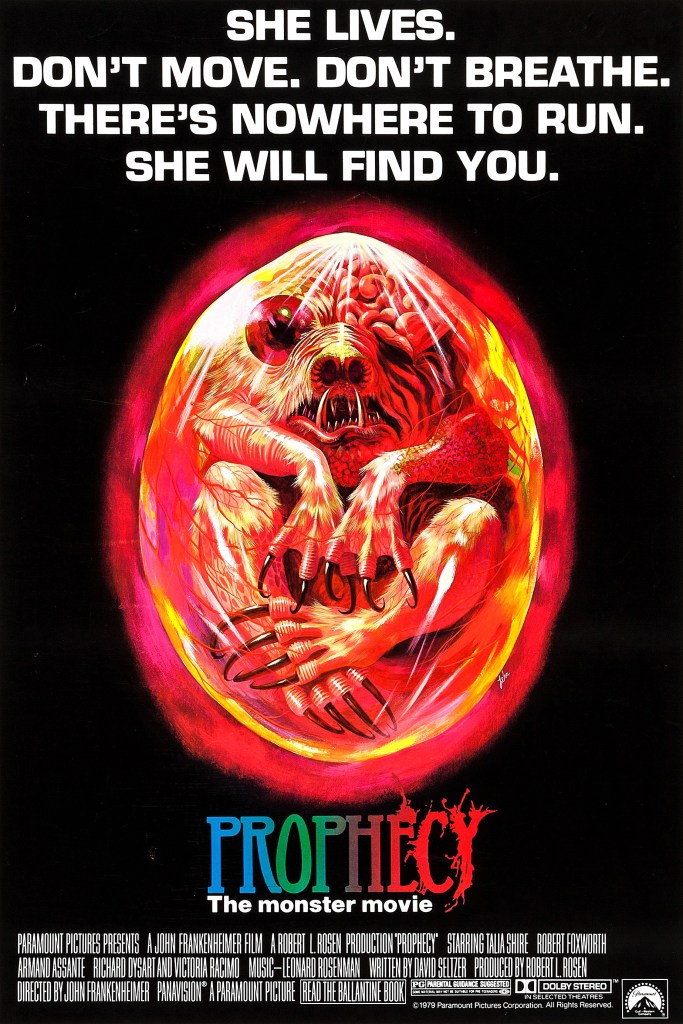
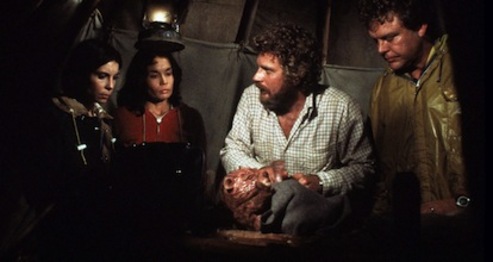
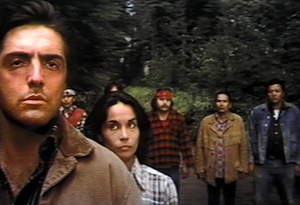
The movie Prophecy is primarily focused on teratogens. Maggie has found out that she’s pregnant but is afraid to tell her husband Robert, because she knows he believes “The world is such a mess, it’s unfair to bring a child into it […] there are three million unwanted children.” A major visual focal point in the film is harm visited upon babies. Robert is a doctor; in his first scene he’s visiting a rundown, predominantly Black neighborhood to treat a baby for rat bites. Crying, his mother says, “I showed it to the [landlord]. He say it was chicken pox. I say to him, ‘There’s rats in here.’ He said, ‘This is chicken pox.’ I said to him, ‘Ain’t no chickens in here. There’s rats in here, and them rats bit my baby.’ You know what he said to me? He said, ‘The rats got to have room to live, too.’ ” Robert asks, “Does he live in this building, your landlord?” “No, sir. He lives in Georgetown. He lives with the rich rats up there.” “I’m gonna have to put your baby in a hospital, and I’m gonna be in touch with your landlord.” “How about putting my landlord in the hospital? That’s what I’d like to do.” A prominent theme in the film is that horrible things are easy to ignore as long as they don’t affect us directly. As Robert tells a colleague, “It’s not the hours, it’s the damn futility. God. You know, I’ll write a report here that no one will read. I’ll file a lawsuit against a landlord that’ll be settled out of court. Send that baby to the hospital for a couple of days, so he can come back here and be eaten by rats again. I feel like I’m banging my head up against a wall. I don’t think anybody’s listening.” Robert and Maggie head to Maine to investigate whether a paper company is poisoning the land and water. Robert finds mercury, which causes the local Native Americans1 living on the land to have deformed and stillborn babies, while the wildlife are mutated in horrible ways—like being born without skin.

Robert (white shirt) is holding a lumpy mass of bear cub in his lap

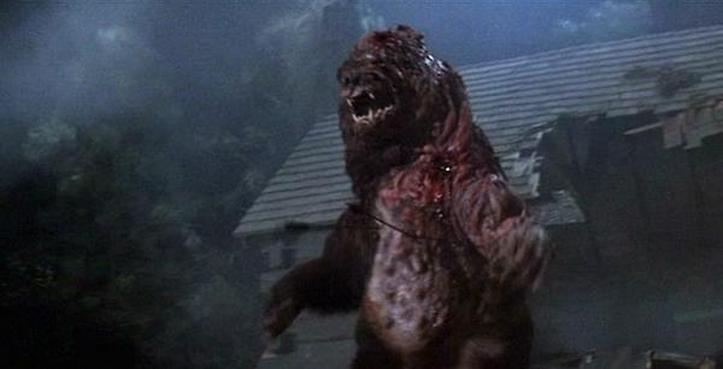
John, the leader of a protest by the Native Americans, states, “The environment is us, and it’s being mangled.” He too feels like no one listens. Maggie unknowingly eats a contaminated fish, and she listens in horror as Robert (who still doesn’t know she’s pregnant) expands on the affects of mercury poisoning: “It acts on the nervous system, it destroys the brain […], affecting the fetal development of everything that ingests it […] It is the only mutagen that jumps the placental barrier, concentrating in fetal blood cells, where it adheres to the DNA and corrupts the chromosomes. The ratio of toxin to blood level is 30% higher in the developing fetus than in the host.” She and Robert have to ponder whether they can handle a mutated baby. As Maggie says, “I’m pregnant. And I ate what the mother of those creatures ate. It’s not a nightmare that’s gonna end, it’s just beginning because it’s inside me.” A b-side theme is the power of the maternal instinct. Maggie bitterly concludes, “It’s not a baby anymore”, before ultimately deciding, “I can’t kill it! I wanted a baby.” Robert takes two mutated bear cubs as evidence of the mercury poisoning, and is chased relentlessly by the cubs’ monstrous mother, who kills ancillary characters left and right before Robert finally manages to stab/bludgeon her to death. The film ends with Maggie in a hospital being treated, then cuts to the mother bear roaring angrily. Nature finds a way.

“Adrian!!!!”

It’s easy to lose one’s sense of self during pregnancy. A woman’s needs become secondary to the fetus; her whole body is altered to accommodate the baby, with her organs literally shifting around, and hormones causing emotional overload. This is a description of a fetal ultrasound from my insurance’s website: “You may need to have a full bladder. A full bladder helps transmit sound waves, and it pushes the intestines out of the way of the uterus. This makes the ultrasound picture clearer. You will not be able to urinate until the test is over. [Yup yup, you gotta fill your bladder as full of water as you can and then have a wand jabbed in your gut for roughly 20 minutes. It’s a blast.] But tell the ultrasound tech if your bladder is so full that you are in pain. [Then you are allowed to pee and then maybe you can drink more water and finish what you started–if you don’t have to reschedule and do that shit all over again.] If an ultrasound is done during the later part of pregnancy, a full bladder may not be needed. The growing fetus will push the intestines out of the way” [italics mine]. “Women face three types of challenges as their bodies begin to adapt to the demands of growing a baby: the physical ones brought about by the enormous hormonal swings of pregnancy; the psychological challenges of changing relationships within the family, and with the world; and the loss of identity many women experience when they realize that they are no longer in control of their bodies or their minds” (Puryear, 30). One example of this is a side effect typically called “pregnancy brain,” or “mommy brain,” which is attributed to new growth in some areas, causing memory lapses and absentmindedness. 

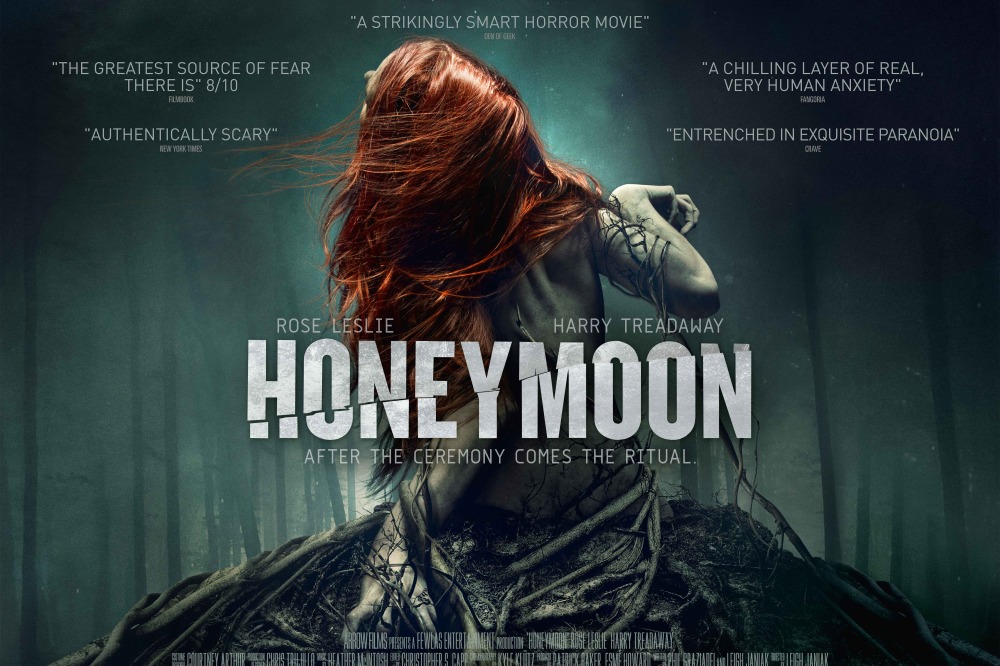
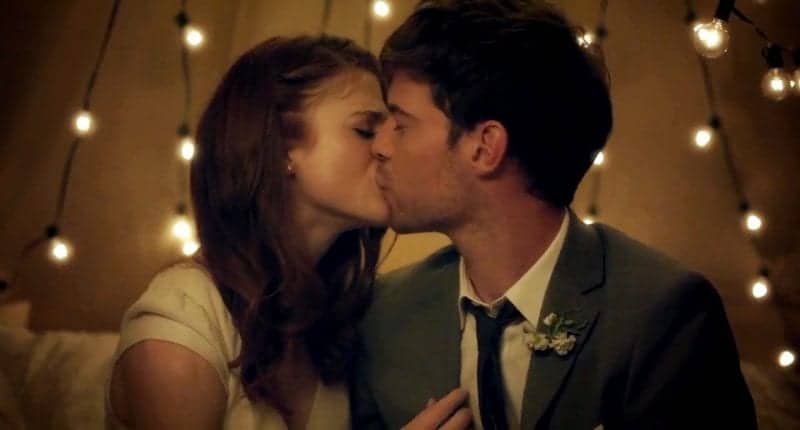
The movie Honeymoon depicts a marriage ruined by an unwanted pregnancy and an epic case of mommy brain; the alienness of pregnancy and the intrusive nature of being pregnant are front and center. Bea and Paul are established from the first frame as a happy couple with a romantic back-story. They’re very affectionate and constantly touching. While on their titular honeymoon they can’t keep their hands off of each other. In nearly every scene they’re either having sex or making innuendos.

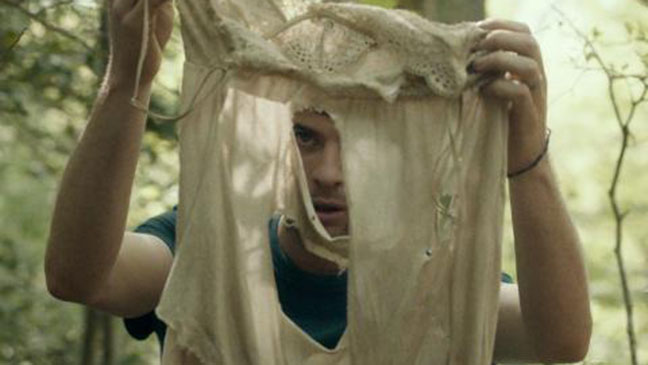
After a particularly vigorous bout of lovemaking, Paul jokes about how Bea needs to rest her womb. She reacts with dismay, and they discuss how neither of them are ready for children. Paul concludes, “We got plenty of time to talk about your womb and other married-people things. Right now, I think we should just be on our honeymoon.” The cabin they’re staying in was Bea’s from her childhood, and is full of nostalgic memories for her. The two act childish on occasion, like when they have a foot race to a restaurant, with Paul shouting, “Last one there is a rotten egg!” They’re happy; Bea in particular is often smiling and happy and goofy. All of this changes when Bea is lured into the woods by extraterrestrials and implanted with an alien creature. Paul finds her wandering outside, naked, and she screams when he touches her. The act of conception is exaggerated into a terrifying, intrusive experience. Paul later finds Bea’s nightgown in the woods, full of holes and covered with a slippery substance.

Obviously not a pleasant experience

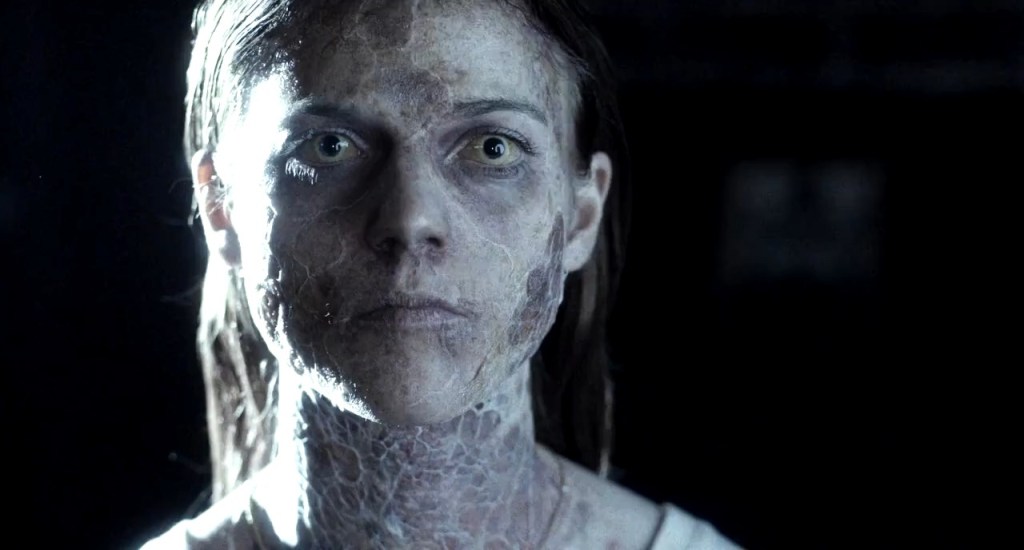
She claims that she can’t remember what happened, but she becomes less cheery and bubbly and is still jumpy every time Paul touches her. Bea refuses to have sex with him and is in denial about what happened. Paul finds her rehearsing excuses not to be intimate: “My stomach just feels icky.” Not only is she loath to be touched, her behavior is suddenly erratic. She forgets to batter bread for French toast, and she forgets common words like suitcase, saying “clothes box,” or instead of saying she’ll nap, she says, “I think I’m just gonna go take a sleep.” Indeed, Bea is often tired, mentioning constantly how fatigued she is. She explains her condition away by saying “I’m just feeling a little funny.” Another of her odd behaviors is writing details of her life in a journal, including her name, address, birthday, and favorite color. Bea has an extreme case of pregnancy brain as the alien influence causes her to forget important details about herself—she is losing her identity. As she says, “My body is here, but I’m leaving. They’re taking everything. They’re–they’re taking me. Bea. They’re taking Bea.” Paul is frequently saying how much Bea has changed recently: “You feel different.” He also states, “I just want things to be normal. I just want us to be us […] Where is my wife? […] You look like her, but you’re not her.” As Bea says later, in a chilling twist on a quote that was previously about Paul but becomes about her monstrous offspring, “Before I was alone, but now I’m not.” 

Roughly what pregnancy does to your skin

The time right after giving birth can be particularly brutal. For the first three months or so (or more, if the baby’s an asshole), babies need to eat every three hours at least, around the clock. Nursing especially is a taxing job. “Although breast-feeding is in many ways a wonderful thing, it means the mother gives up all sense of personal space. When your baby is hungry and ready to eat, for the most part it’s your job to unbutton your shirt and provide the food” (Puryear, 124). As my friend Paula put it, she and her infant son were “attached at the nip.” In the hospital with Layla, I once fed her for three hours straight; the nurse assured me that sometimes babies are full but are comforted by the sensation of nursing. This connection begins sooner and sooner after birth. When Layla was born I had about an hour to myself to regain the feeling in my legs after my cesarean, but my second child Orion was thrust into my arms the moment he was clean, with instructions to feed him. “Here’s the reality: the days, weeks, and months after childbirth can be overwhelmingly difficult, and having a baby marks the beginning of one of the biggest life changes you will ever go through. You’re recovering from the physical trauma of giving birth, your hormones have gone haywire, you’re sleep deprived, and now you are completely responsible for every aspect of another human life” (Venis, 1-2).  

Me with Layla, trying to convince myself I’m up to this

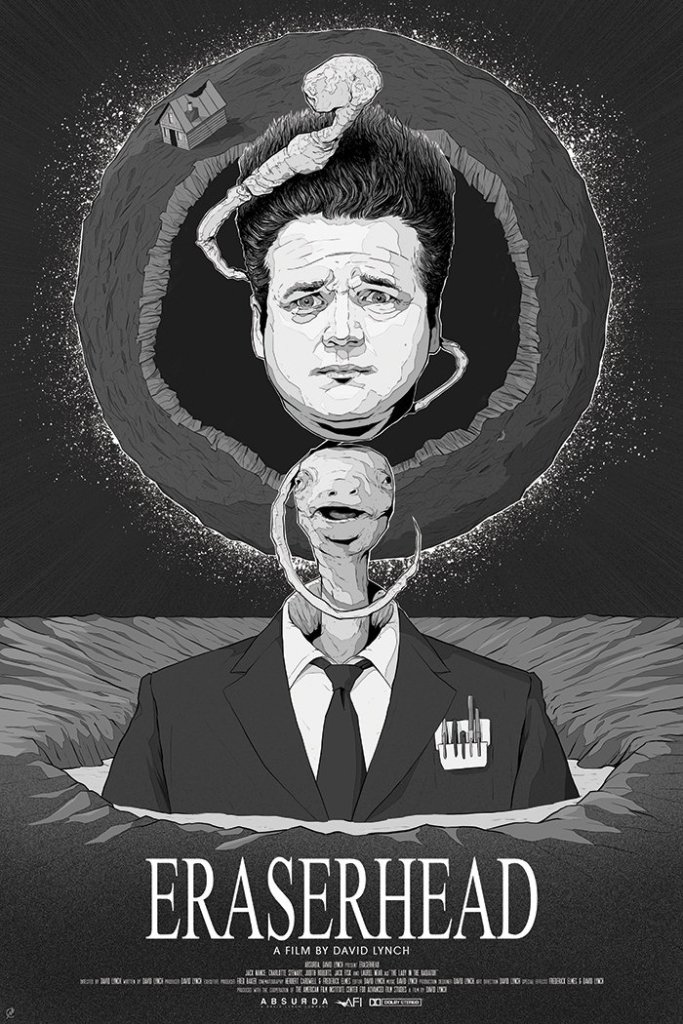
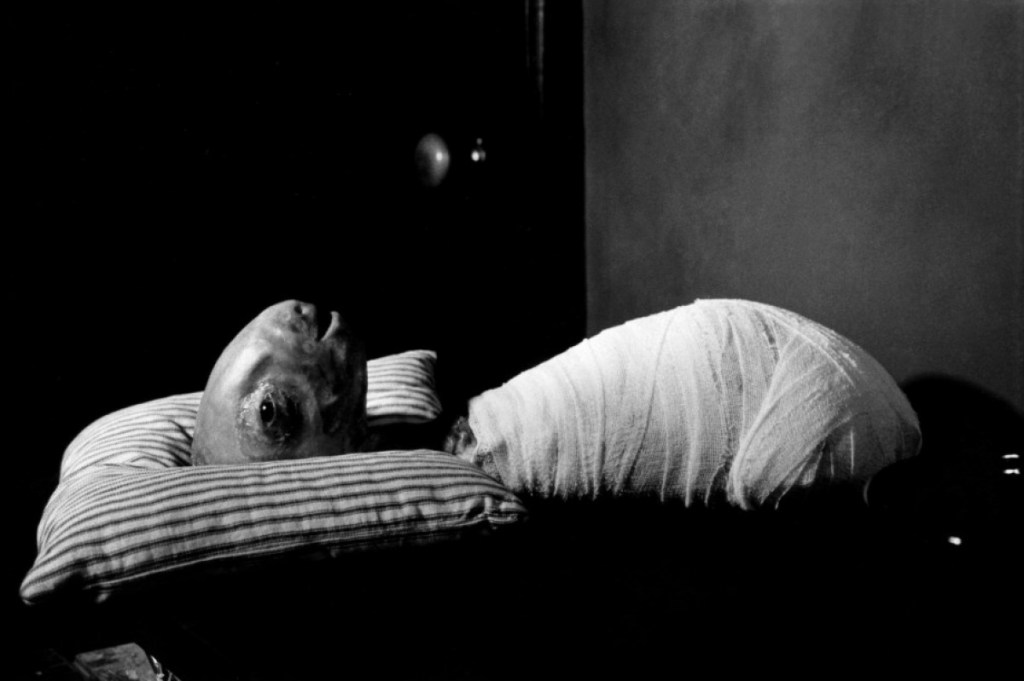
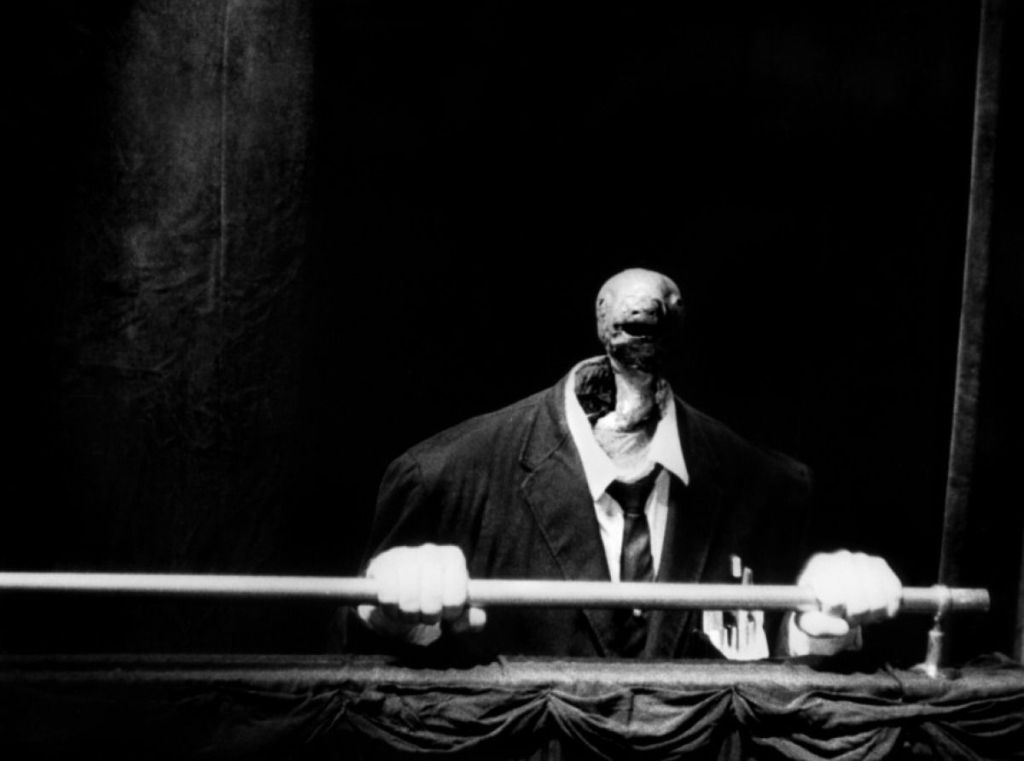
The movie Eraserhead portrays the trials and tribulations of having a newborn, with none of the pleasure involved in the process. The protagonist, Henry, is confronted by his girlfriend Mary’s mother, who claims Mary had his baby, despite Mary’s protesting “They’re still not sure it is a baby.” Mary’s mother threatens, “You’re in very bad trouble if you don’t cooperate […] After the two of you are married, which should be very soon, you can pick the baby up.” Meanwhile Mary is sobbing hysterically, and Henry has a panic attack and resulting nosebleed, literally gagging at the situation. The infant, which is rumored to have been constructed by the filmmakers from a cow fetus, looks like exactly that. It also has strange growths and no limbs—only a head and a bandaged torso.

Just a sad, bovine ET

It not only refuses to eat what it’s fed, it spits the food back in Mary’s face. The pair are neglectful parents; Henry comes home and doesn’t even glance at it, and both of them tend to keep it lying on a table without picking it up, even when it cries. It keeps the couple awake with its unnatural wailing. Mary snaps, yelling: “I can’t stand it. I’m going home.” Henry answers, “What are you talking about?” “I can’t even sleep. I’m losing my mind. You’re on vacation now, you can take care of it for a night!” “Well, you’ll come back tomorrow?” “All I need is a decent night’s sleep!” “Why don’t you just stay home?” “I’ll do what I wanna do! And you better take real good care of things while I’m gone.” She returns home once to sleep and afterward disappears for the rest of the movie. Henry sort of takes care of things, staying with the baby when it panics at the prospect of his leaving the apartment and gently taking its temperature when it’s sick, but he doesn’t grasp the concept that babies need watching constantly, especially when the Beautiful Girl Across the Hall wants to make out. In the end, while cutting off its bandages, Henry stabs the baby. It dies after turning to an oatmeal-like mush, and Henry lives happily ever after with a new love interest. Many of the visual images invoke anxiety about parenting. In the opening sequence, Henry is shown looking worried, and then the baby floats out of his mouth, umbilical cord and all. In one scene, his head pops off and is replaced with that of the baby’s, crying.

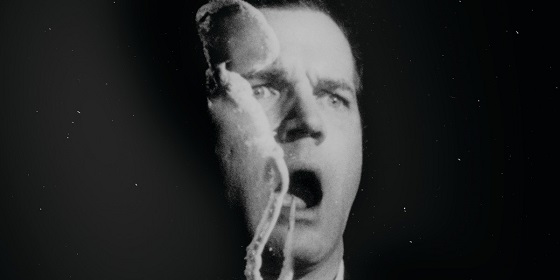
When Henry visits Mary’s house, there is a mother dog with squealing pups all trying to nurse at once. Henry has a vision of his new love interest, the Lady in the Radiator, stepping on and crushing miniature versions of the baby, a segment which must be seen to be believed:

1 Well, at least they used some actual Indians, rather than whities in brown-face, though the main guy is actually Italian.

Lucy J. Puryear. (2007). Understanding Your Moods When You’re Expecting: Emotions, Mental Health, and Happiness—Before, During, and After Pregnancy. Boston: Houghton Mifflin Company. 

William Sears, Martha Sears, Linda Holt, and B.J. Snell. (2013). The Healthy Pregnancy Book: Month by Month, Everything You Need to Know from America’s Baby Experts. NY: Little, Brown and Company. 

Venis, Joyce A., and Suzanne McCloskey. Postpartum Depression Demystified. NY: Marlowe and Company, 2007.

‘Evil Dead Rise’: The Mommening is Fun and Well-Intentioned

A sequel\reboot\something…it’s canon, whatever it is, in the Evil Dead universe–it’s produced by Sam Raimi, Robert Tapert, and Bruce Campbell, who has a voice cameo as well. In this chapter of the saga of the demon-y deadites we have a bickering but sweet family trapped in their apartment building with the possessed matriarch, Ellie (Alyssa Sutherland). It’s up to Ellie’s kids Bridget (Gabrielle Echols), Danny (Morgan Davies), and Kassie (Nell Fisher), and her sister Beth (Lily Sullivan) to fend her off.

I can’t decide if the movie is feminist or deeply insulting. Or both? The filmmakers meant well, I think. The narrative is woven around strong, smart female characters counterpointed by sometimes gallant but mostly idiotic males. Caleb (Richard Crouchley) from the opening is described by Wuthering Heights-reading Teresa (Mirabai Pease) as a “brainless meat puppet”; he delights at the thought of his drone being able to “scramble your face up real good.” There’s the kids’ absent father, who apparently would enjoy a coffee cup styled like a urinal, as evidenced by the gift Beth brings him. Danny, despite Bridget’s command to bring them back and wise words that “Weird shit like this gets locked away for a reason”, opens the book and plays the records and starts the whole thing. Not to mention a handful of doomed ancillary characters who barely have time to have names.

RIP, old smokin guy. NOT a spoiler!

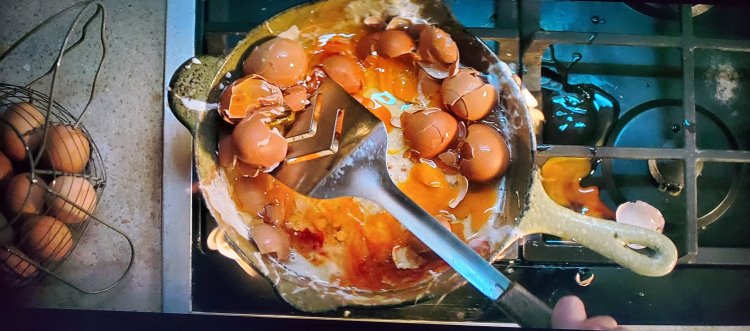
Motherhood is presented as a condition that turns women into fierce, selfless protectors. Beth is a driftless guitar technician “groupie” as she keeps getting called, who accidentally gets pregnant. She goes to visit Ellie motivated by getting advice on what to do next, and she’s thrust into the role of kickass guardian of the kids when Ellie gets possessed. However, the film also cleaves to traditional depictions of mothers. Ellie is attacked by the demon while fixing to do some laundry. Once possessed, I shit you not, the first thing she does is go to the stove and cook some eggs, babbling about how she wants to climb inside the kids so they can always be a happy family. Her last un-deadite words are “Don’t let it take my babies.” Imagine a male character saying that. Much of the psychological horror of the film comes from the corruption of innocence, and the notion of a mother attacking not just children, but her own children. Stabbing your daughter in the face with a tattoo gun is a huge mommy no-no, that’s day one stuff. It’s almost as despicable as having a life outside of the kids.

She’s gonna have fun cleaning that up later

Motherhood is also (briefly) presented as a burden, as possessed Ellie sneers at her family, “I’m free now. Free from all you titty-sucking parasites.” It’s implied that Ellie raised Beth because of their troubled relationship with their mother. Having a shitty role model plus the reduction of her freedom contributes to Beth’s ambivalence about having a baby. But over time, she comes to accept her pregnant status. The camera lingers on Beth’s expression (see below) while Ellie hugs her kids when they come home safe after a massive earthquake. Silly Ellie, that’s what happens when you send the kids out of the house to buy fast food instead of cooking a nutritious meal for them–a natural disaster! Ultimately, motherhood is shown to be difficult but worth the pain. When Kassie asks Beth if she’s going to be a mom, Beth pauses, then says firmly, “Yes.”

‘Wow, she loves her kids more than pizza. I gotta get me some babies!’

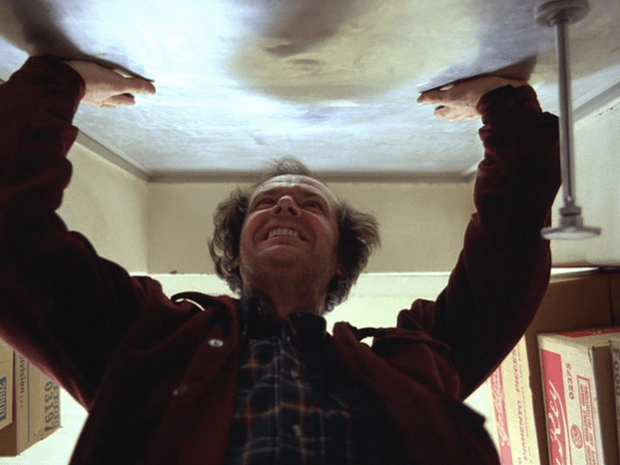
Moving along, there were some less-than-admirable moments, at least on a personal level. I get really tired of recreations of the scene in The Shining when Jack is locked in the pantry and there’s a low-angle shot of his face.

You know the one

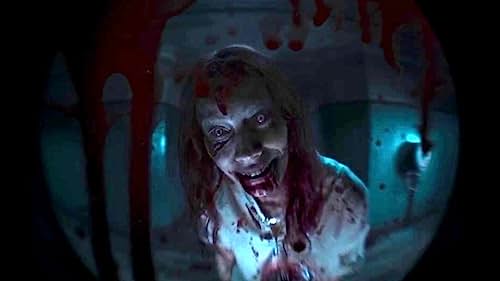
This one does that, and in a bid to out-gore all the other sequels and reboots fills an elevator full of blood, which predictably comes gushing out in a tidal wave. (The homages to The Shining are likely meant to invoke similar themes, that of a beloved family member losing their mind, but they’re wholly inappropriate, since Jack attacking his family is hardly shocking; he comes across as abusive well before the haunting starts, and Wendy and Danny are terrified of him even before he becomes completely unhinged.) The filmmakers rely more on creepiness than jump scares, but there’s the occasional one, and I actually laughed out loud when Ellie comes out of nowhere hollering “Bethie-boo!” and gliding like a character in a Spike Lee movie.

Otherwise, my biggest gripe is that the state of becoming possessed is either fast or slow, depending on how it serves the plot. The character from the opening is hit by the demon but still manages to pick up her cousin and drive out to the lake from the city, but other characters, like Ellie, change almost instantly. It’s also rather convenient that the records are found by the one teenager in the tri-state area who knows how to work a turntable.

Maybe she stopped and did the laundry first, or some light dusting

Overall, I enjoyed it. I’d had a long, trying day and it was loverly to come home, have a cocktail, and watch an entertaining movie with likable characters and a mostly coherent plot. Give it a look if you’re in the mood for something gory and thought-provoking.

Something with 100% badasses, 0% rapey trees

Nostalgia Tiiiime!!!! “Black Hole Sun”

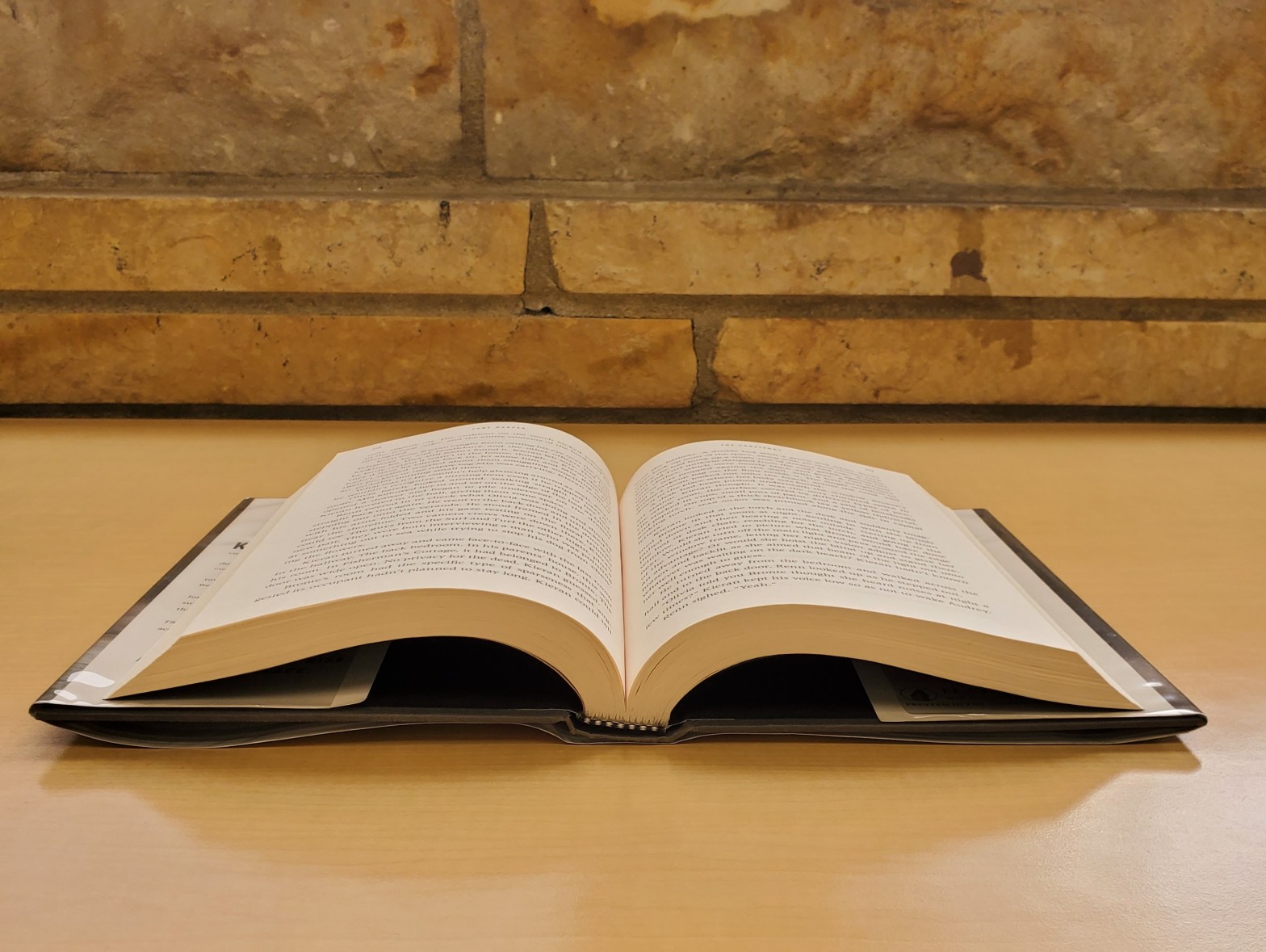
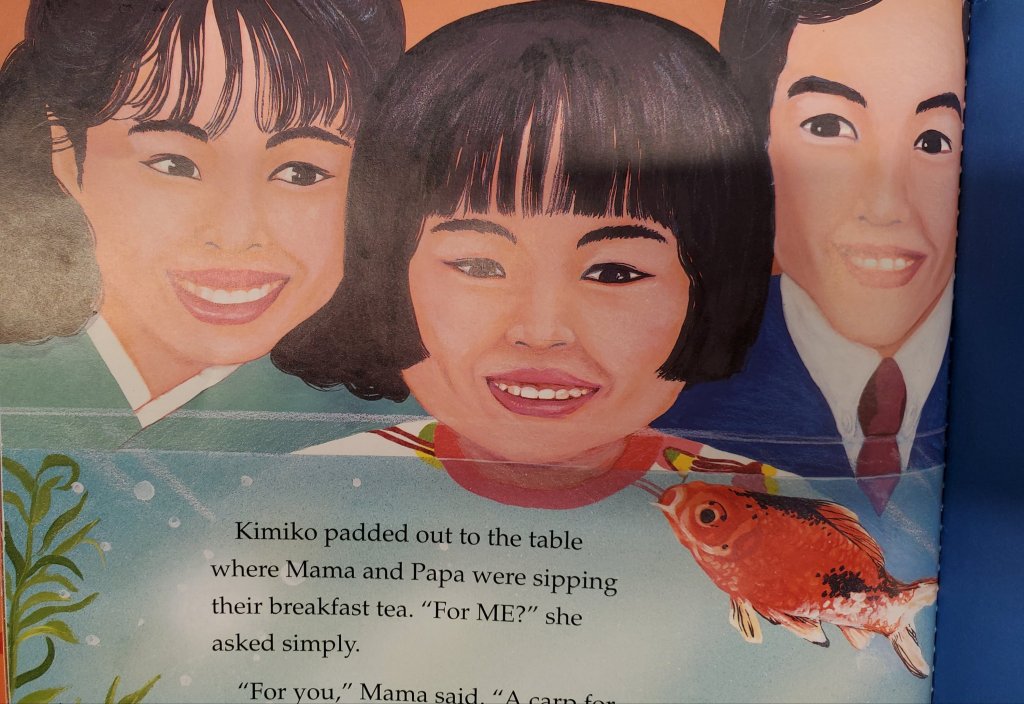
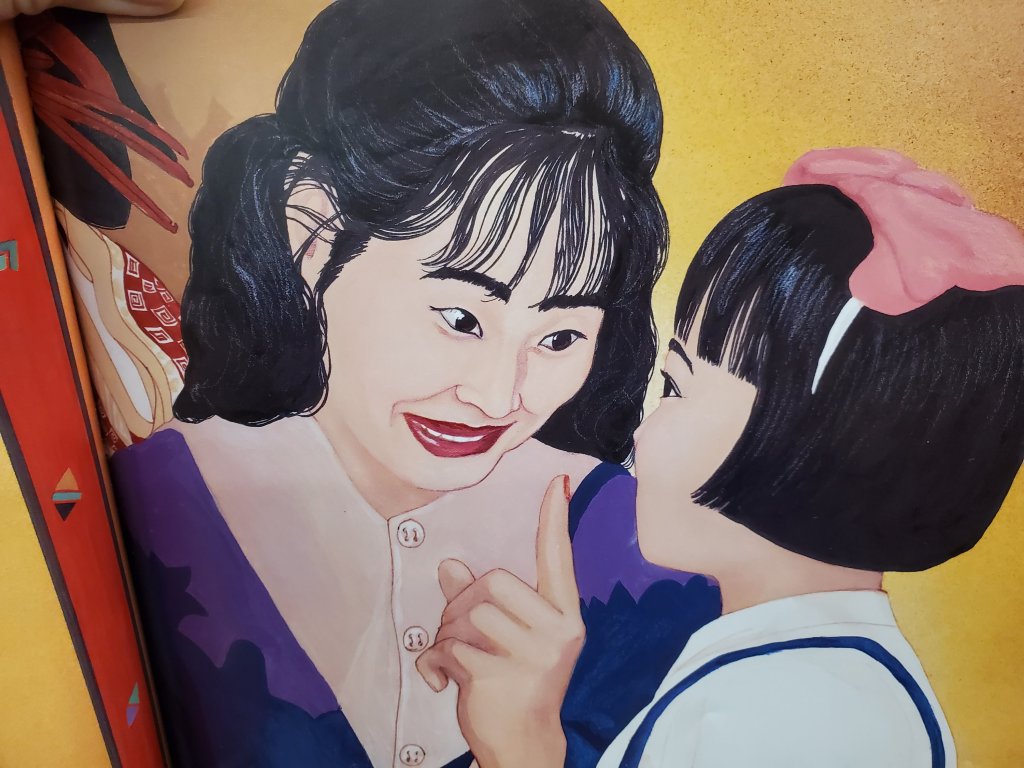
Today, I saw a book with some disconcerting artwork,

and it brought to mind the music video for Soundgarden’s “Black Hole Sun”, which alternately terrified and fascinated me as a kid.

It’s the giant creepy grimace-y smiles and lipstick. Some of the illustrations are quite lovely, but most are awkward and unintentionally creepy.

Just. Like. Meeeeeeee!!!

Ti West’s ‘X’ is Wicked, Fun, and Un-X-pectedly Clever

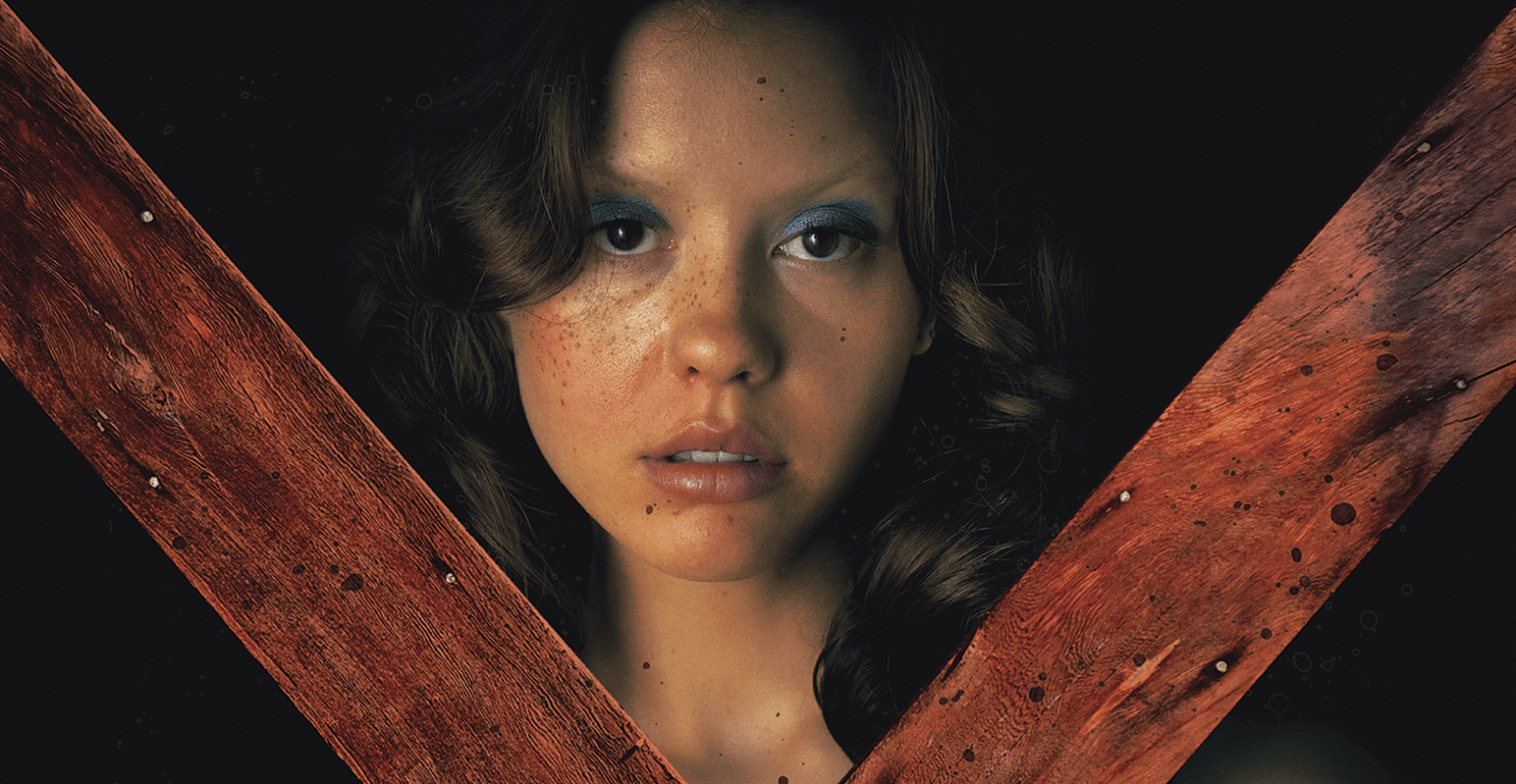
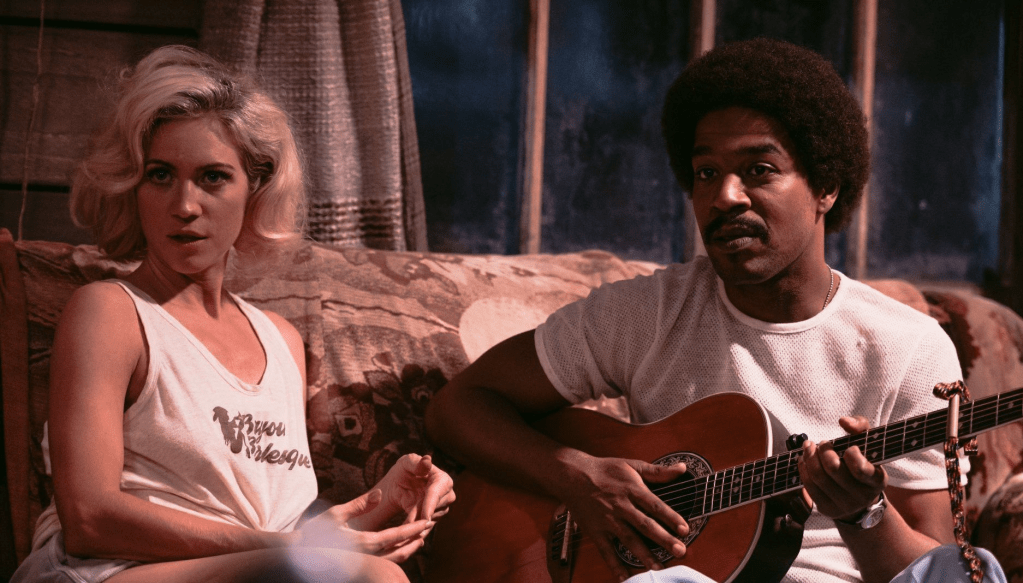
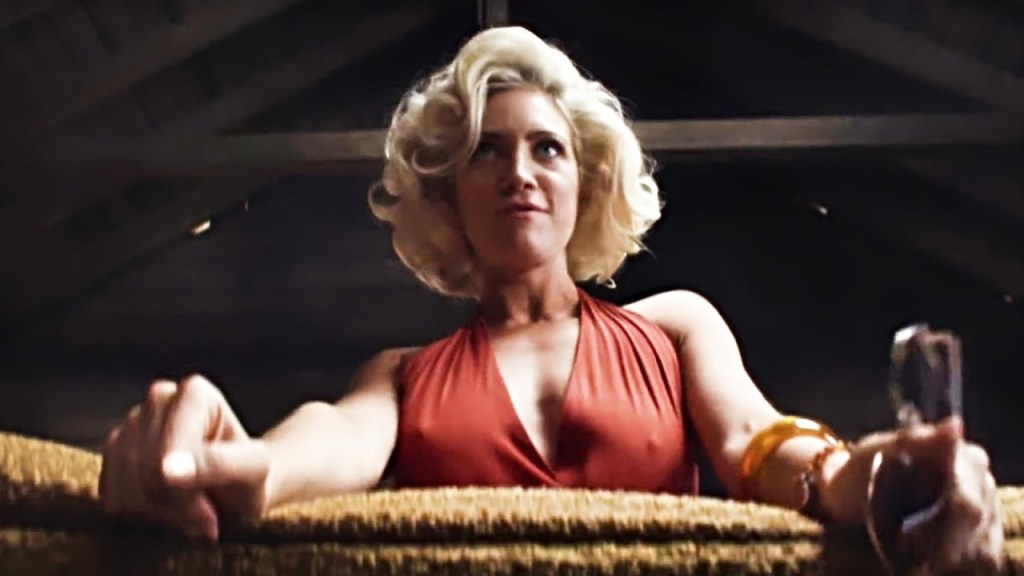
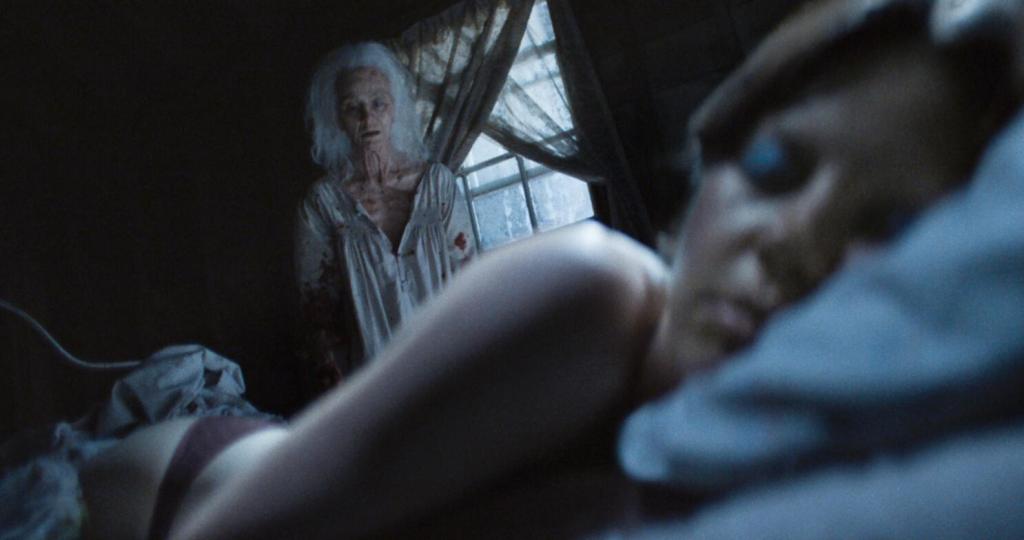
Texas, 1979. Led by producer Wayne (Martin Henderson), a group of young hooligans: actors Maxine (Mia Goth), Jackson (Scott Mescudi, AKA Kid Cudi), and Bobby-Lynne (Brittany Snow), director RJ (Owen Campbell), and sound/lighting/cinematography assistant Lorraine (Jenna Ortega) are making a low-budget adult film at a farmhouse, unbeknownst to its golden-ager owners, Howard (Stephen Ure) and Pearl (also Mia Goth). Unluckily for our plucky protagonists, the couple is hiding a deadly secret.

A secret even more horrifying than the young folks’ penchant for sing-alongs. Just kidding, nothing’s worse than sing-alongs.

I’m not a slasher fan, but I’m a Ti West enthusiast, so instead of giving X a pass, I gave it a go. And I was impressed. At first, it was hard not to be reminded of Tobe Hooper’s films Eaten Alive and of course The Texas Chainsaw Massacre (it’s widely promoted as an homage to the latter), in both plotline and setting. But the film makes nubile young creatures getting picked off in a swampy setting all its own. The first murder isn’t until an hour into the movie; instead we get character development and social commentary. The film explores the hunger for the American dream, a longing for the power of beauty and being a sex symbol. As Pearl begs her husband, “Tell me I’m special.”

And booooobs. I mean, hey, her eyes are up there!

There is lots more to like. I love the use of irony throughout. Like when Maxine, seeing a splattered cow on the road, states, “I hate blood and guts,” and promptly throws up. Our final girl, rather than a chaste virgin, is a coked-up wannabe porn star. While there are plenty of gratuitous sex scenes, we get scantily clad male characters meeting their doom instead of women, who mostly meet their doom fully clothed. The wordplay is amusing, particularly the porno-speak double entendres and the foreshadowing phrases like “chop-chop.” The characters are overall pretty likable, my favorites being badass Jackson and RJ; he’s played by probably the least famous person in the ensemble, but he stands out by how invested he is in being a real director, with his fancy camera techniques and keen eye on production value. Howard and Pearl have some touching moments, like when Howard tells Pearl that she’s always the most beautiful woman he’s ever seen.

Aww, you could almost forget how murder-y they are…

I have few gripes. Mostly that I don’t understand the continuous cross-cutting, for example switching back and forth from a TV preacher to a herd of cows. Is it a statement about organized religion? If so, were sheep too on the nose?

And a nod to The Shining. Neeeeeever gets old.

Otherwise, it’s a delight. Check it out if you’re in the mood for thought-provoking nudity and a bit of gore.

Book Quote of the Day

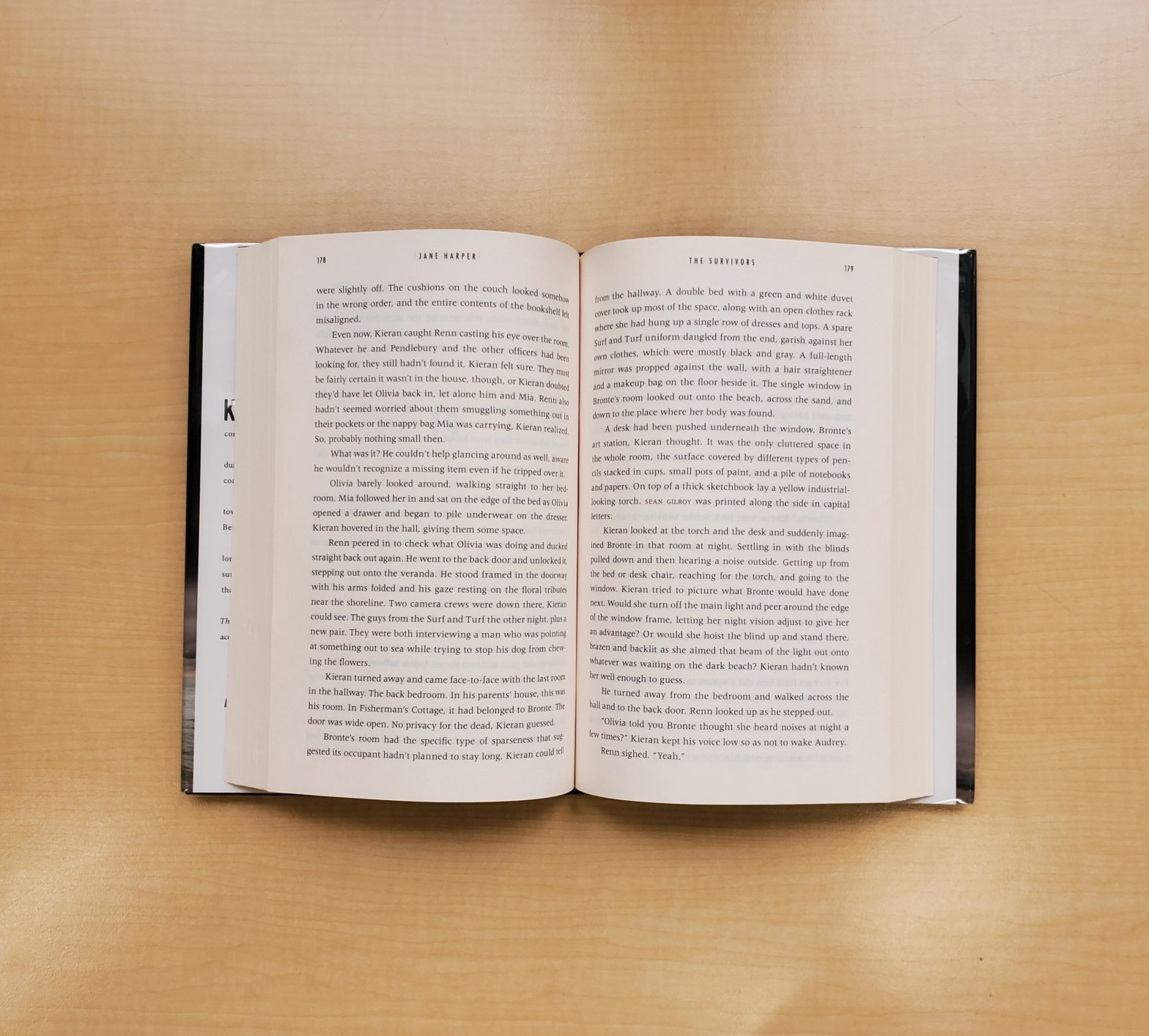
[Margo has escaped her former life as a killer nurse and is now a tame library clerk; she’s mad that she finished the first book that she really enjoyed reading] ” ‘Oh Constance. We are so happy.’

What about the rest of us?!

I pick up the book and hurl it against the living room wall. It flops to the floor.

Later, when it’s fully dark, I make my way to the woods. I’m holding the book improperly, by one corner of the spine, so it flaps open in the wind. I ignore the noise the pages make. Like a complaining mouth, that book, but I know how to handle complainers. I know you don’t want to take these pills, but the doctor says you have to.

I say to my book: I know you don’t want to burn up in the fire, but the doctor says you have to.”

–Laura Sims, How Can I Help You

The Birds is Coming, The Birds is Coming!

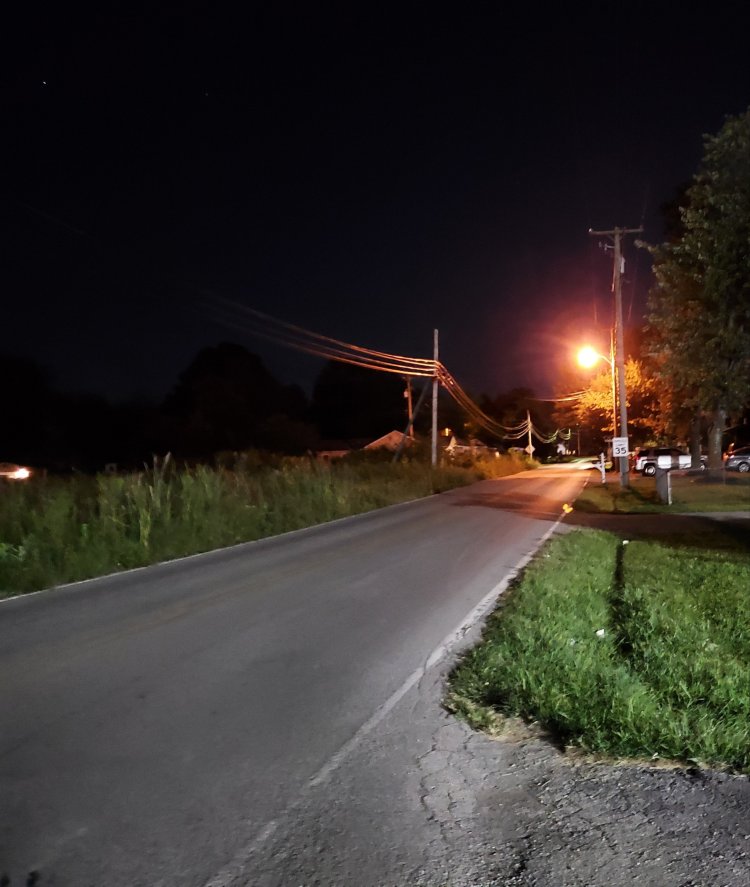
Today I was driving to work on a little country road that leads to the freeway, and from a distance I saw a flock of sizable birds just chilling in the street. The car coming from the opposite direction honked, and they grudgingly shuffled out of the way.

This road here, but daytime. I took this picture on my way home from work (after parking, of course).

I think all of my knowledge of vultures comes from The Jungle Book adaptation by Disney, but they really do move like this:

Minus the moptop and Liverpudlian accent

I dismissed it at the time, but later on my break I googled whether Kentucky has vultures. Okay ya’ll, we got vultures, and they are sick fucks, picking on baby animals and eating their eyes. To quote our local newspaper, the Courier Journal:

“[Herdsman Derek] Lawson said he’s noticed more vultures since 2009, when he thinks they started nesting near Foxhollow Farm. He plans his year around the predatory habits of the vultures, which circle the skies in wait of anything dead or vulnerable.

He remembers one eerie morning when he saw a flock of 60 vultures perched on adjacent gates in one of his fields. He mainly worries about them during calving season, when they like to feast on easy marks.”

Not only are they sadistic and numerous, they’re bloody smart:

“But lately, farmers say they have seen black and turkey vultures work together in uncharacteristic attacks on live animals. Turkey vultures hunt by smell and black vultures hunt by eyesight, making them an effective team. The black vultures can spot the turkey vultures circling above prey and can join them.”

Oh and by the way, it’s illegal to kill them.

Sooooo if my articles should suddenly drop off, definitely assume the vultures got me.

*Feature image belongs to Reisegraf, Getty Images/iStockphoto

And That’s Why I Don’t Write Fiction

I had the stupidest dream last night. In it, I was the mother of a manipulative, evil kid with supernatural powers. It’s an overdone subgenre already, and my subconscious was also busily stealing plotlines such as a woman being coerced into eating glass, like in Choose or Die or Oculus. The resulting solution was that David Tennant shows up, because the day before I saw him on the cover of a Doctor Who DVD at work, and proposes we send the kid to space. Space?! That kind of flaccid, sloppy writing is reserved for at least two sequels into the franchise!

Silliness aside, I did once write fiction. When I was eleven, my classmates and I were prompted to write short stories, and I wrote about a murderous ventriloquist’s dummy. I got in trouble, but I continued to write other, terribly unoriginal bits of rubbish: a woman is obsessed with an actor, so she kidnaps him; a kid moves to a town where once a year everyone turns into monsters; a girl is jealous of her older sisters, who have the ability to make men fall in love with them. The ones I can remember are all thinly veiled dramatizations of my various tween neuroses. I wrote a novel when I was a young teen, including my sisters and friends as characters. It was so, so bad. When I was twenty I was still at it, and still struggling with including enough detail and possessing a tin ear for dialogue. That’s why I enjoy the occasional microfiction, and why I haven’t deleted the ones on my site–stories that are 50 words long aren’t supposed to have details, and no one has to say anything.

All told, I don’t miss writing fiction. What a relief to wake up in a world where I dole out criticism instead of rightfully earning it.

Book Quote of the Day

“But the only difference between her and a mother who leaves, if there’s much of a difference at all, is that Whitney already knows there’s no relief in having left. Not if her son is in the world, existing without her. He will never not be wrapped around her conscience, infiltrating her dreams, an endless feed of shame. Instead, she’s learned to be absent when she is near. She has the ability to stare through the children, see their lips move while she nods her head, she can be elsewhere and she can be there. She is an illusion. But she has never left.

She should tell him she didn’t mean it, she thinks, she should go back in to comfort him before he falls asleep. She is tired of failing him. The cruelest part of motherhood is that she has made him the way he is, every frustrating part of him. She is the source of everything that troubles him, she is the reason he’s lonely even when she’s there. She presses her hands to her cheeks. She doesn’t want to be crying.

Ashley Audrain, The Whispers